Northern Beaches Arborist

Arborist Clontarf | Tree Removal & Pruning Clontarf

Serving Clontarf and the surrounding Northern Beaches — qualified, insured arborist work on waterfront and bushland-adjacent properties near Middle Harbour.

HomeAreas we coverArborist Clontarf
Your local arborist

Clontarf — harbour water, bushland reserve and established residential gardens

Clontarf occupies a privileged position on the lower Northern Beaches, sitting on the shores of Middle Harbour between Manly and Seaforth. It is a suburb with a distinctly waterfront character — the foreshore reserve, the sheltered beach and the houses looking out over the harbour define the place. Clontarf's residential streets are well-established and the trees on private properties range from large native Angophoras and Eucalypts to established garden ornamentals that have been growing for decades. The Living Canopy works regularly in Clontarf and when you call, you reach Alex Price directly — the qualified arborist who will come out and give you a clear picture of what your trees need.

The presence of Middle Harbour influences the tree environment in Clontarf in several ways. Salt air affects trees on the exposed waterfront and on properties facing east across the harbour. Trees on the foreshore itself are ecologically significant and managed under separate provisions by Council. Properties that back onto the bushland reserve areas of Clontarf — there are several parcels of retained bushland within and immediately adjacent to the suburb — have trees at the garden boundary that may have root systems extending into both private and public land. We assess these situations carefully, with an understanding of what can be done on private land and what is beyond that boundary.

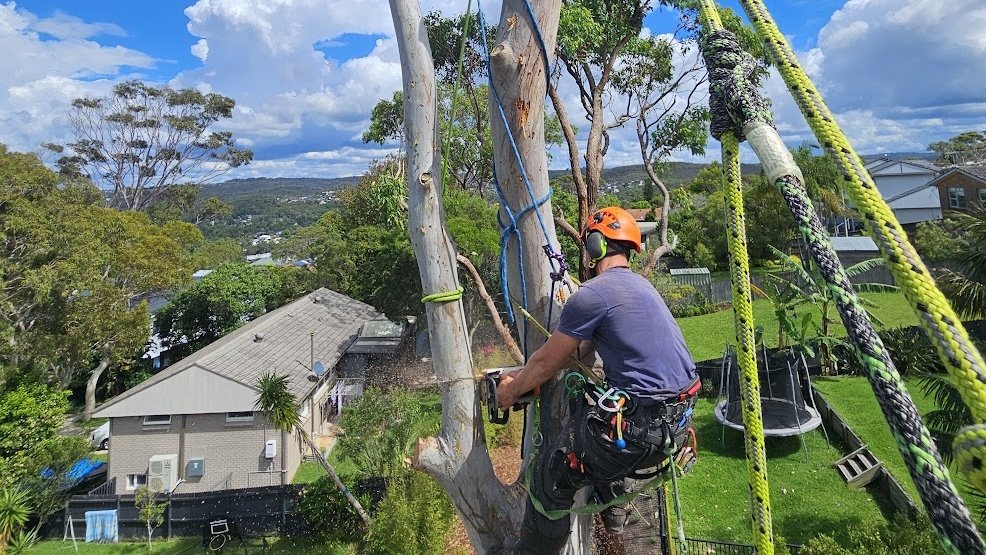
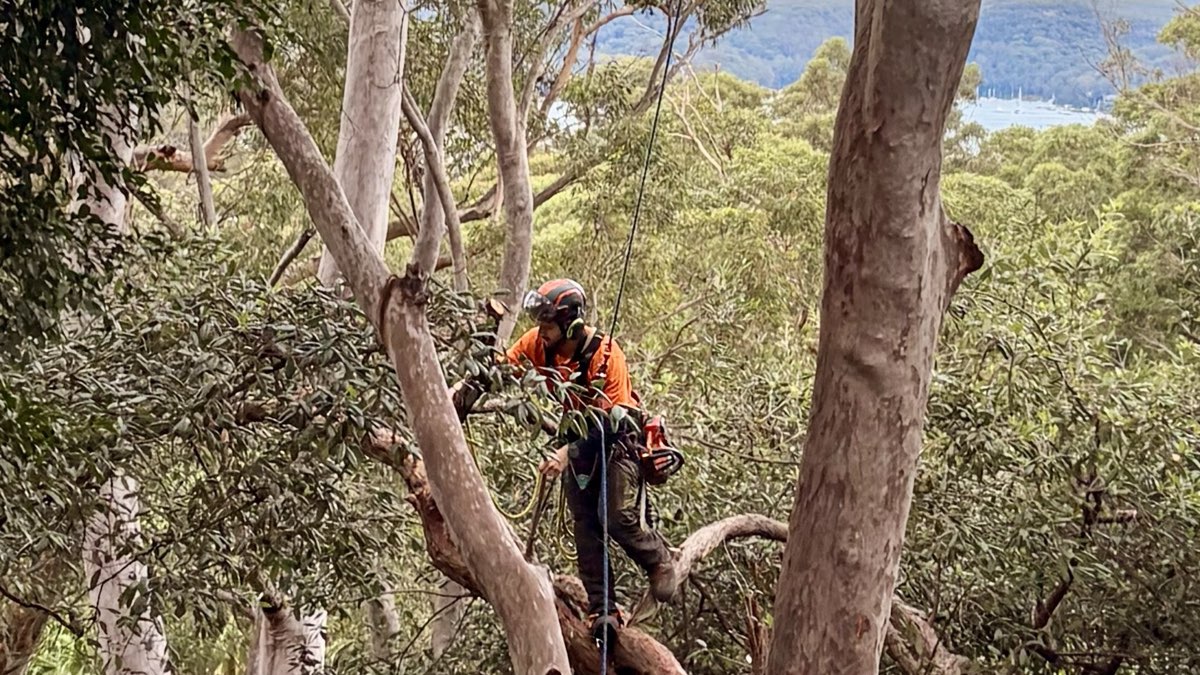
Access in Clontarf can vary significantly. Flat waterfront sections are often straightforward to work in, while the steeper hillside properties above the foreshore can involve constrained access, sloping ground and mature trees in positions that require technical rigging. We carry out sectional dismantling as standard practice whenever felling is not a safe or practical option, and we price jobs based on actual difficulty rather than applying a blanket surcharge for anything that requires thought.

Storm damage in Clontarf tends to follow east coast lows and strong south-easterly conditions, and properties on the exposed side of the harbour are more directly affected than those in the more sheltered streets. We offer same-day emergency response for fallen trees, fractured limbs and trees leaning on structures, and we prioritise situations that are genuinely dangerous to life and property.
10+
Years local experience
$20M
Public liability insured
Free
On-site quotes
  • Experience with waterfront and harbour-facing properties
  • Careful approach to trees adjacent to bushland reserve areas
  • Technical rigging on steep hillside sites above the foreshore
  • Fully insured — $20M public liability and workers compensation
  • AQF qualified arborist on every job
  • All pruning to AS 4373-2007 Australian Standard
  • Free, honest on-site quotes with no obligation
What we do

Our tree services in Clontarf

Every tree service you need, carried out by a qualified arborist who knows the Northern Beaches.

Tree removal Northern Beaches

Tree removal

Safe, efficient removal of trees of all sizes — including technical rigging, sectional dismantling and crane-assisted work.

Tree pruning Northern Beaches

Tree pruning

Crown reduction, deadwooding, formative pruning and clearance work — all to AS 4373-2007 standard on every job.

Hedge trimming Northern Beaches

Hedge trimming

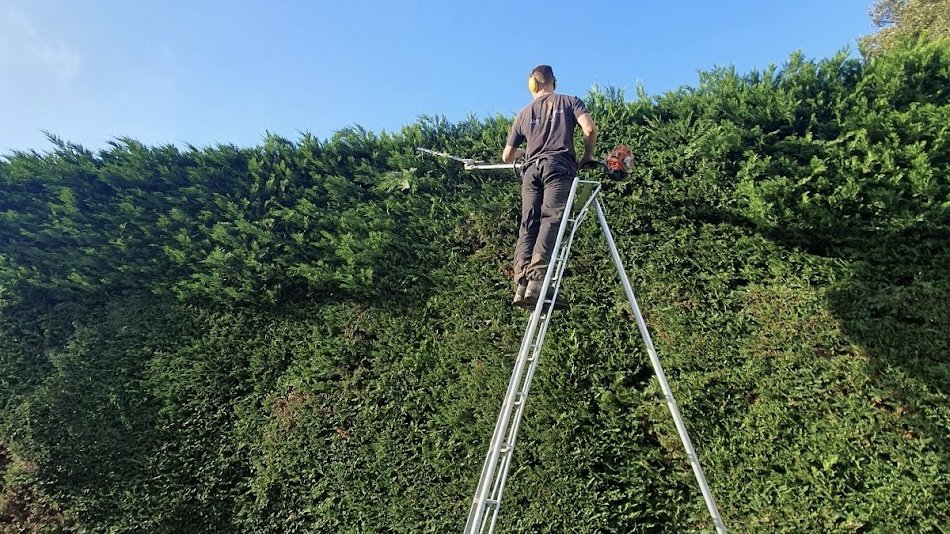
Neat, precise trimming for all hedge types. We remove all clippings and leave a clean finish every time.

Palm tree pruning Northern Beaches

Palm tree pruning

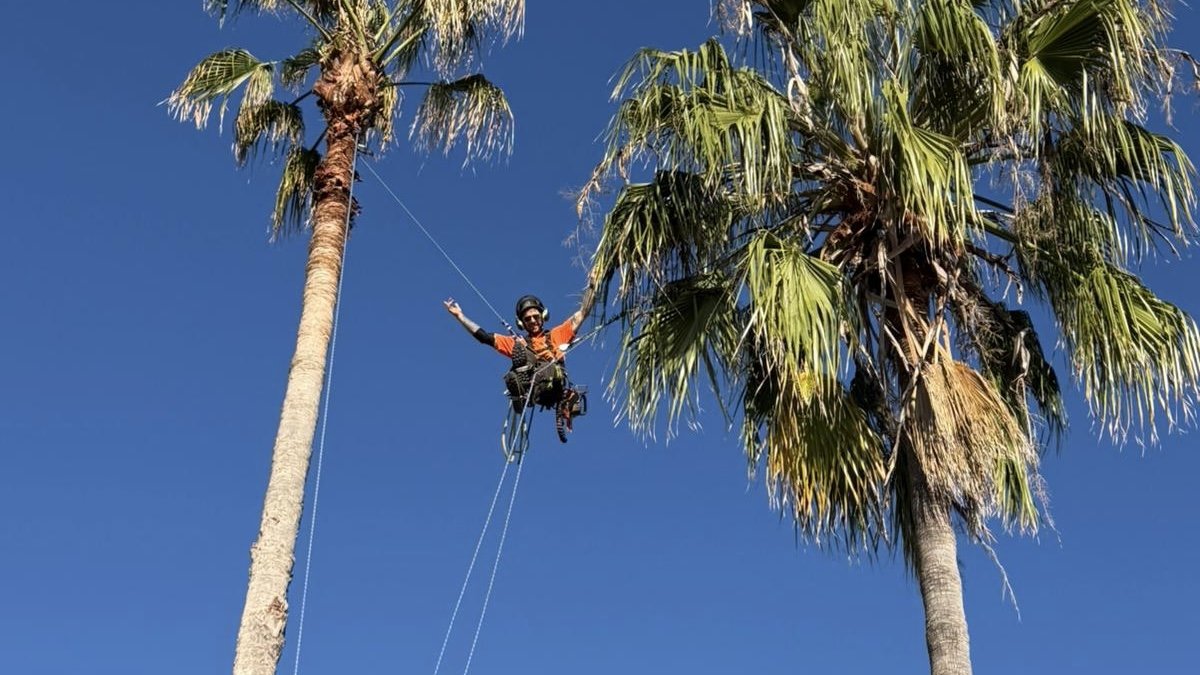
Dead frond removal, seed pod and flower stalk removal — keeping your palms healthy, safe and tidy.

Stump grinding Northern Beaches

Stump grinding

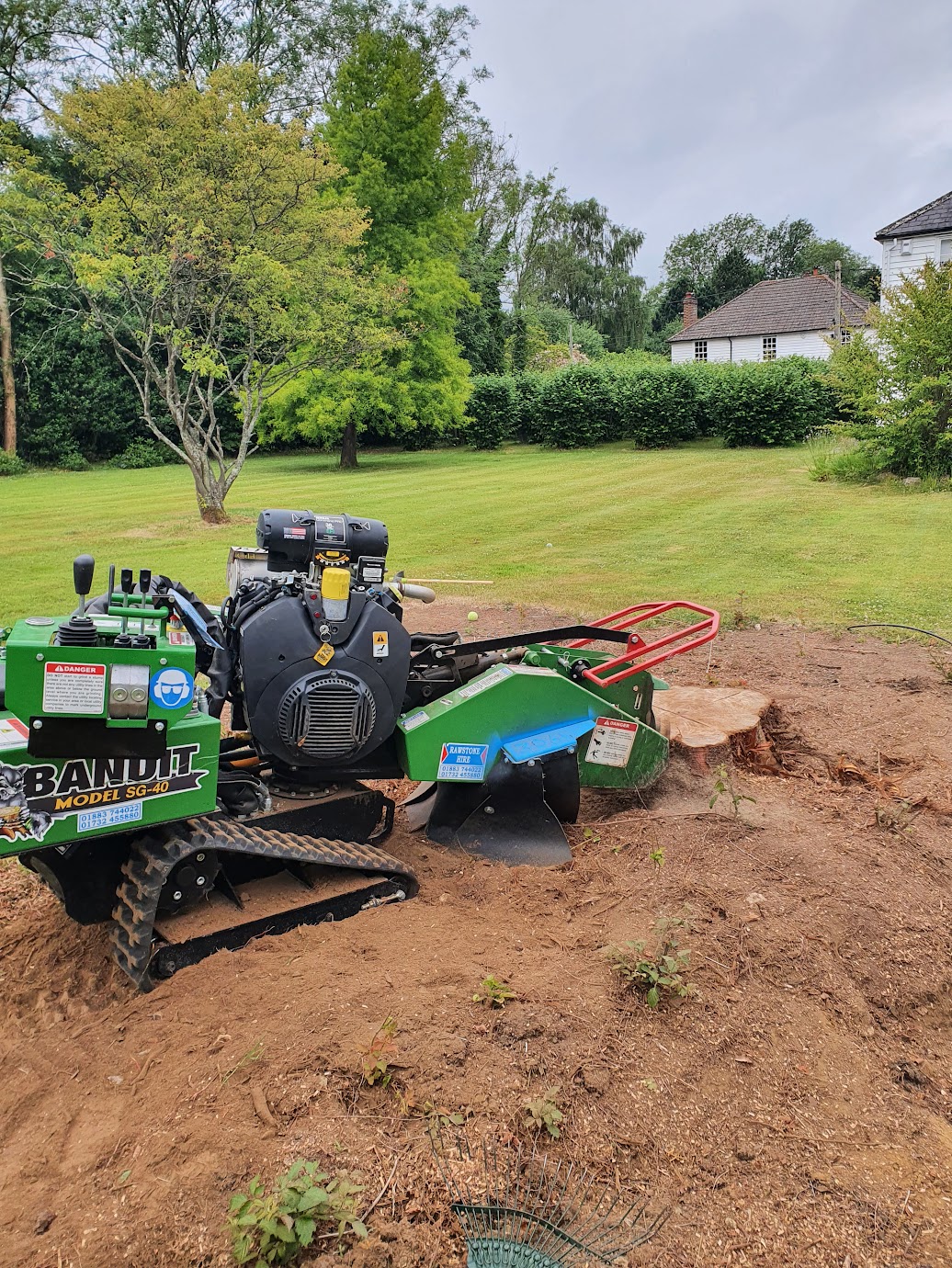
Complete removal below ground level — leaving a clean site ready for turf, landscaping or replanting.

Emergency tree work Northern Beaches

Emergency tree work

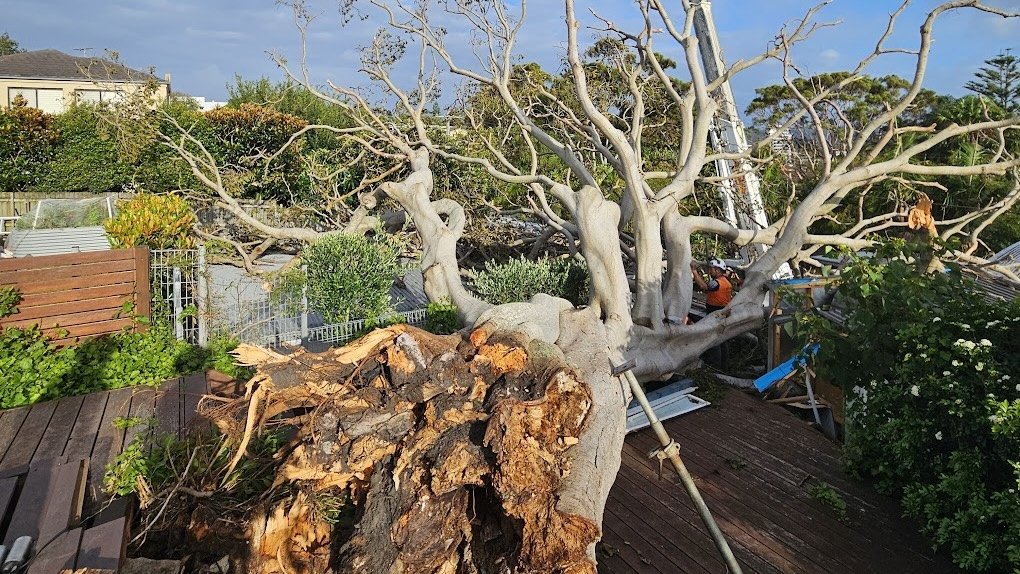
Fast response to storm damage, fallen trees and hazardous situations. Call us first.

Trees & vegetation in Clontarf

Clontarf's vegetation is shaped by its harbour location, the sandstone substrates that underlie most of the suburb and the pockets of retained bushland that buffer some residential blocks from the foreshore reserve. Angophora costata (Sydney Red Gum) is the standout native canopy species on the elevated, well-drained ground — its broad spreading form and smooth orange-pink trunk are characteristic of this part of the Northern Beaches. Banksia integrifolia (Coast Banksia) tolerates the salt-influenced coastal conditions well and appears on properties close to the water, while Banksia serrata (Old Man Banksia) is more common on the drier ridge tops. Where soils are heavier or drainage is compromised, Melaleuca species establish readily.

The gardens of Clontarf contain a wide range of introduced ornamentals alongside their native trees. Large-leafed Figs — particularly Ficus rubiginosa (Port Jackson Fig), a native species commonly planted in garden settings — are common and can develop extensive root systems that affect paving and drainage. Jacarandas are well established in the older streets. Cocos Palms (Syagrus romanzoffiana) appear throughout the suburb; they require regular maintenance to remove dead fronds and seed pods, and their exempt status under the permit rules makes them straightforward to remove when they become problematic. On the harbour-facing slopes, salt-tolerant ornamentals including Callistemon and Grevillea species have been planted extensively in gardens and along road verges.

Northern Beaches Council tree permits — Clontarf

Northern Beaches Council requires development consent under their Development Control Plan (DCP Part B13 — Tree and Vegetation Management) before removing or significantly pruning any tree that meets one or more of the following thresholds: 5 metres or more in height, a canopy spread of 5 metres or more, or a trunk diameter of 30 cm or more measured at 1 metre above ground level. Applications are submitted through Council's online portal.

In Clontarf, most established native trees will require a permit before any significant work proceeds. Trees in proximity to the Middle Harbour foreshore reserve or adjacent bushland areas may be subject to additional environmental assessment. The suburb's significant Angophora, Banksia and Eucalyptus population means permit applications are a routine part of tree management here. We advise on what is required at the quoting stage and can support applications with the appropriate documentation.

Customer reviews

What our customers say

Don't take our word for it — here's what our customers have said.

★★★★★
J

"We found Alex and his team very friendly and helpful. They provided a professional service and we are very pleased with their work. We will definitely use them again."

Jane Bardo
Google review · Northern Beaches
★★★★★
F

"Amazing level of service. Polite, efficient, knowledgeable, professional and exceedingly hardworking. Lovely guys. Would not hesitate to use again and will definitely recommend to others."

Fiona Woodhouse
Google review · Northern Beaches
★★★★★
J

"Fantastic job! They turned up on time, worked fast, tidied up and did a great job all round. These guys will be my go-to now to keep the trees and hedges in order. I HIGHLY recommend."

Josh Beckwith
Google review · Northern Beaches
Common questions

Questions about tree work in Clontarf

Do I need a permit to prune a large Angophora overhanging my house in Clontarf?

Yes, in most cases. If the tree meets Northern Beaches Council's thresholds — 5 metres or more tall, 5-metre canopy spread, or 30 cm trunk diameter at 1 metre above ground — you will need development consent before significant pruning. That said, imminent danger situations are handled differently, and if a limb has partially failed and presents an immediate safety risk, emergency action may be possible without a permit. We assess the situation and advise you on the correct pathway at the site visit.

Can you work on trees at the boundary between my garden and the reserve?

Work on private property is straightforward subject to permit requirements. Work on reserve land is a different matter and requires Council or the relevant land manager's involvement. Trees that straddle the boundary or have root systems in both zones are assessed carefully — we can work on the private land portion and advise you on how to engage Council for any work required on the reserve side. We don't carry out unauthorised work on public land.

My Port Jackson Fig's roots are cracking my driveway — what can be done?

Fig root damage is one of the most common issues we manage. The options depend on the severity of the problem and the health of the tree. Root pruning — cutting the offending surface roots cleanly to a depth that removes the immediate problem — can provide a temporary fix, but roots often regrow. Root barriers, installed after root pruning, slow regrowth. Crown reduction reduces the tree's energy demand and slows root development. Removal is the permanent solution but requires a permit if the tree meets Council's thresholds. We'll assess the situation and give you a realistic view of what each option achieves.

Is the site visit free?

Yes. We visit the property, inspect the trees and provide a written quote at no charge. No obligation to proceed. We answer the phone directly — call 0452 030 077 to arrange a time.

Nearby areas we also cover:

Get a free quote in Clontarf

We work regularly across Clontarf and the surrounding Northern Beaches. Call us directly or send an enquiry and we'll come to you, assess the job and give you a clear, honest price.

0452 030 077
Call now Free quote