Serving Queenscliff and the surrounding Northern Beaches — qualified, insured and experienced with the steep headland terrain, ocean-exposed trees and compact blocks that characterise this suburb.
Queenscliff sits on the headland between Manly and Freshwater, with dramatic ocean views and terrain that drops sharply toward the beach and harbour entrance. It's a compact suburb with tight streets, varied block sizes and a character shaped by its coastal exposure and rocky headland setting. When you call The Living Canopy, you speak directly to Alex Price — a qualified arborist who works this part of the Northern Beaches regularly and understands what tree work in Queenscliff actually involves.
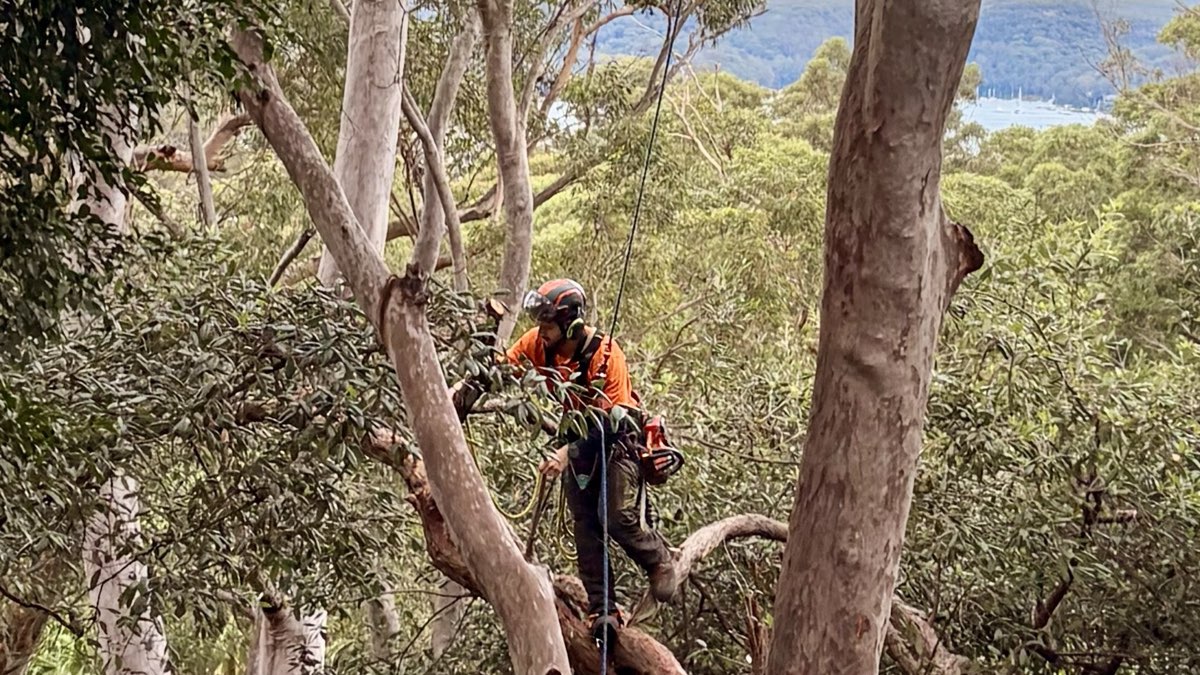
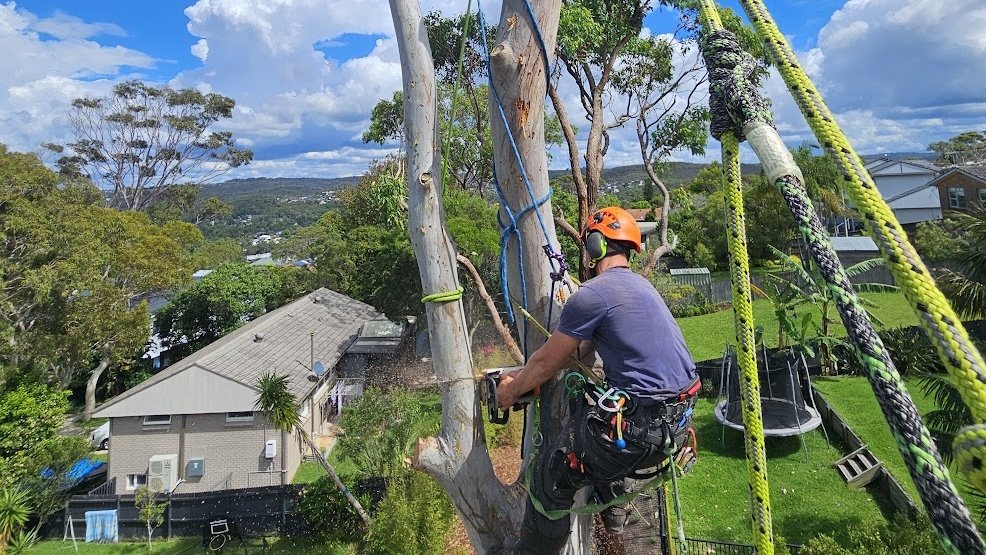
The terrain in Queenscliff creates real access challenges for tree work. Steep block gradients mean that machinery access is often limited or impossible on significant portions of many properties. Where a conventional approach would use a wood chipper positioned in a driveway and a team working around a machine, Queenscliff often requires climbers working at height using rope techniques to section and lower material that can't be dropped freely. This is standard practice for us, but it's worth understanding when you're comparing quotes — a price based on easy access doesn't apply to a Queenscliff hillside block.
The ocean exposure in Queenscliff is significant. The suburb faces east and sits directly in the path of the onshore weather that drives across the Tasman. Salt spray, wind-driven moisture and the structural stresses of sustained wind load all shape how the trees here grow and how their structure develops over time. Ocean-facing trees in Queenscliff often have wind-shaped, asymmetric crowns and may have weakened branch unions or dieback in the parts of the crown most exposed to the weather. We identify these issues during hazard assessments and work out the right management approach.
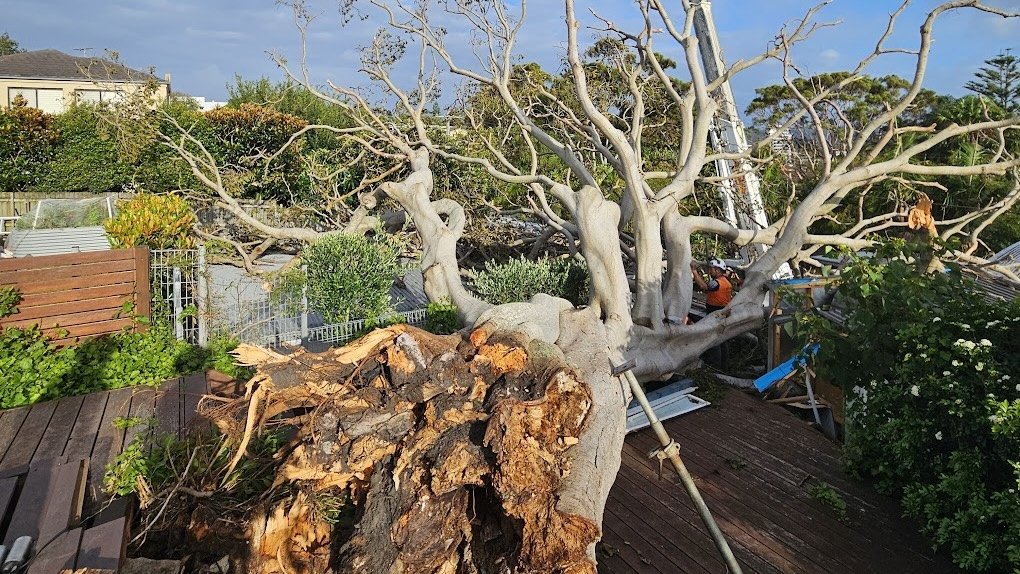
Emergency response after storms is critical in Queenscliff — and the compact streets mean fallen trees or large limbs can block access quickly. Call 0452 030 077 directly for urgent jobs; it goes straight to Alex, not a call centre.
Every tree service you need, carried out by a qualified arborist experienced with the coastal headland conditions in Queenscliff.
Safe, efficient removal of trees of all sizes — including technical rigging, sectional dismantling and crane-assisted work.
Crown reduction, deadwooding, formative pruning and clearance work — all to AS 4373-2007 standard on every job.
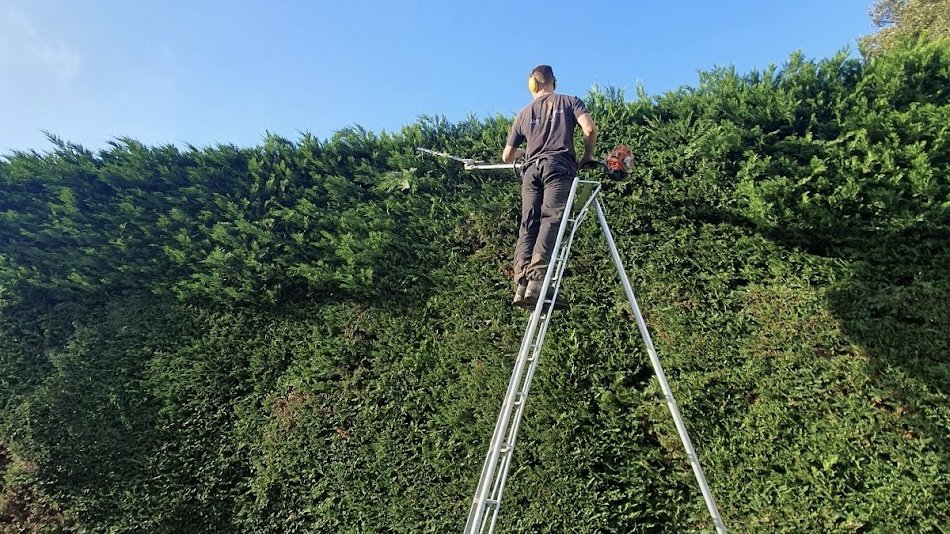
Neat, precise trimming for all hedge types. We remove all clippings and leave a clean finish every time.
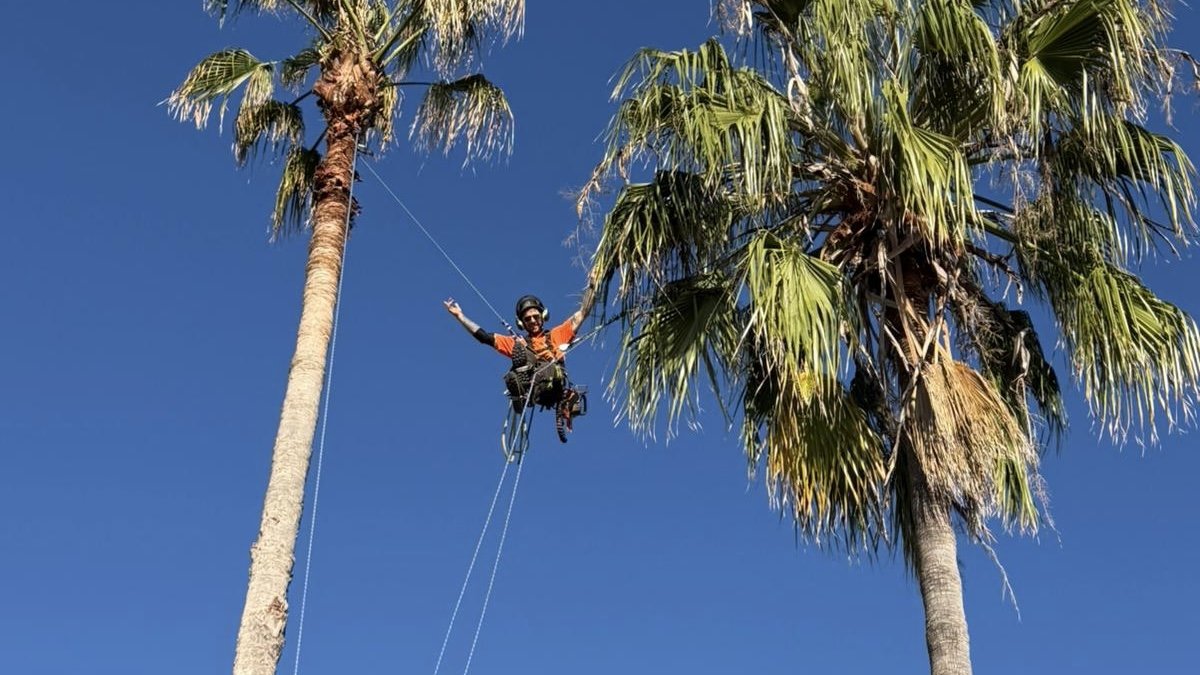
Dead frond removal, seed pod and flower stalk removal — keeping your palms healthy, safe and tidy.
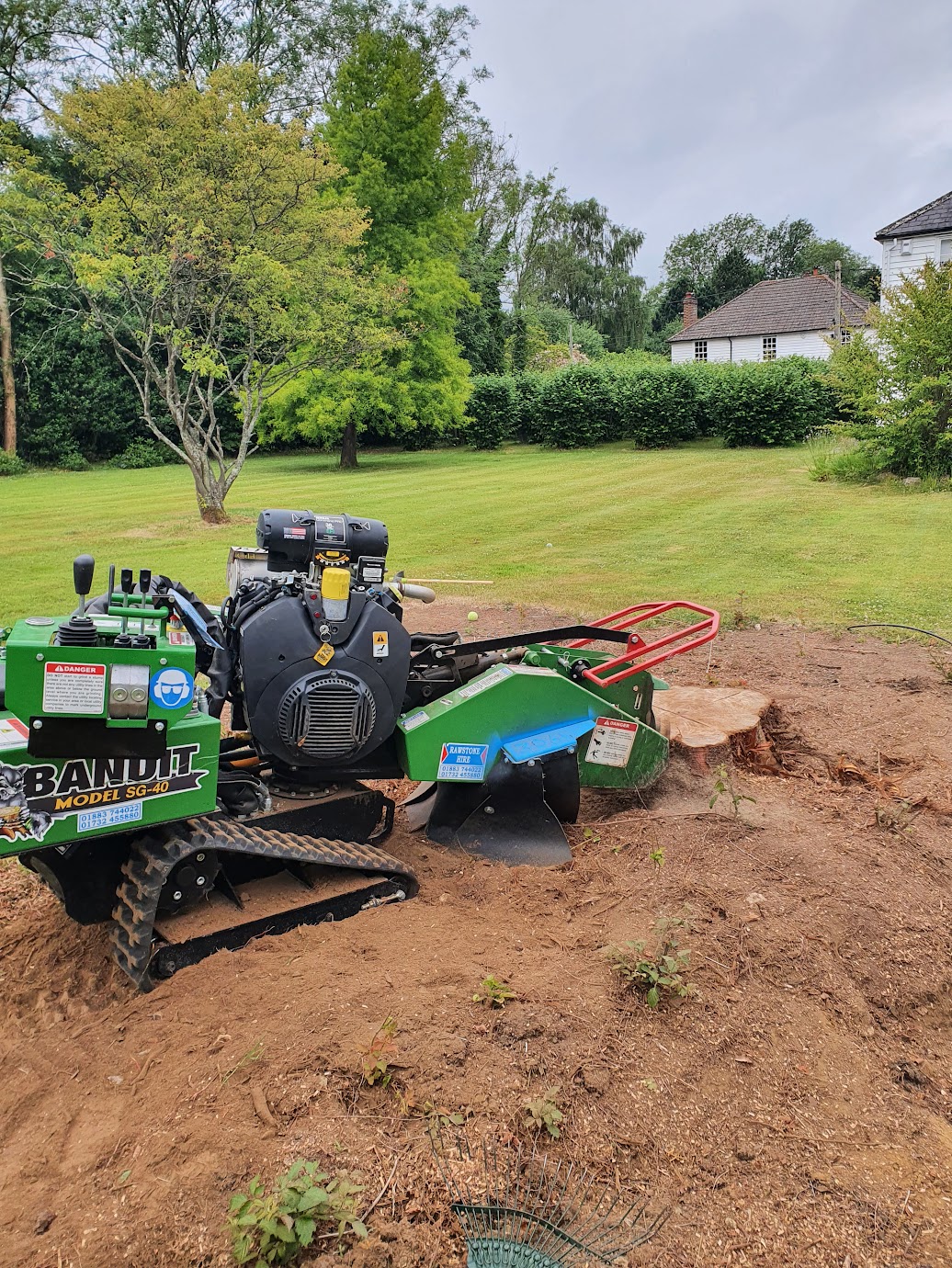
Complete removal below ground level — leaving a clean site ready for turf, landscaping or replanting.
Fast response to storm damage, fallen trees and hazardous situations. Call us first.
Queenscliff's headland setting limits what grows well in the most exposed positions but supports a distinctive coastal vegetation community in the more sheltered spots. Angophora costata (Sydney Red Gum) appears on the sandstone outcrops and in sheltered gardens, its smooth pale trunk a familiar sight across this part of the Northern Beaches. Banksia integrifolia (Coast Banksia) tolerates the salt exposure and wind better than most species and is well represented in the coastal heath and scrub that fringes the headland reserves. Casuarina equisetifolia (Beach She-oak) provides its characteristic fine, weeping foliage in the most exposed positions closest to the shore.
In the residential streets of Queenscliff, the garden trees reflect the suburb's established character and the challenge of growing anything successfully in a persistently wind-exposed coastal environment. Hedging species — particularly Pittosporum undulatum and various Lilly Pilly cultivars — are popular for privacy and wind protection, and we regularly trim these on behalf of Queenscliff residents. Feature trees tend to be those proven to handle coastal conditions: Melaleucas, Callistemons and coastal-adapted Banksias. On more sheltered blocks, you'll find a broader range of ornamentals, including established Jacarandas that provide spring colour in the protected gardens tucked below the headland ridge.
Northern Beaches Council requires development consent under their Development Control Plan (DCP Part B13 — Tree and Vegetation Management) before removing or significantly pruning any tree that meets one or more of the following thresholds: 5 metres or more in height, a canopy spread of 5 metres or more, or a trunk diameter of 30 cm or more measured at 1 metre above ground level. Applications are submitted through Council's online portal.
Most significant trees in Queenscliff — including Angophoras, Banksias and established exotics of threshold size — will require a permit before major work. The headland reserve areas adjacent to residential properties add additional sensitivity to any vegetation work near those boundaries. We assess your trees during the site visit, confirm permit requirements and can assist with Council applications where needed.
Don't take our word for it — here's what our customers have said.
"We found Alex and his team very friendly and helpful. They provided a professional service and we are very pleased with their work. We will definitely use them again."
"Amazing level of service. Polite, efficient, knowledgeable, professional and exceedingly hardworking. Lovely guys. Would not hesitate to use again and will definitely recommend to others."
"Fantastic job! They turned up on time, worked fast, tidied up and did a great job all round. These guys will be my go-to now to keep the trees and hedges in order. I HIGHLY recommend."
Do I need a permit to remove a tree in Queenscliff?
Yes, for most established trees. Northern Beaches Council requires development consent for trees 5 metres or more in height, with a canopy spread of 5 metres or more, or a trunk of 30 cm or more in diameter at 1 metre above ground. Most established Angophoras, Banksias and significant exotics in Queenscliff will meet these criteria. We confirm this on-site when we come to quote and advise on the application process.
My block is very steep — can you still do the work safely?
Yes. Steep terrain is part of the everyday reality of working on the Northern Beaches headlands. Where equipment access is limited, our climbers use rope techniques to work safely at height and lower sections in a controlled manner. We assess the access and terrain conditions as part of the initial site visit and plan the work method accordingly. The price reflects the actual site conditions — we don't quote for a flat block and then revise on the day.
How can I tell if a coastal tree has been weakened by wind and salt?
Sometimes you can see it — foliage dieback on the windward side of a crown, deadwood accumulating in exposed branches, or visible asymmetric growth. But the most important structural issues often aren't visible without a proper assessment. Weakened branch unions, internal decay in the main stem and root zone damage can all be present in a tree that looks healthy from the street. If you have large trees in a wind-exposed position in Queenscliff and haven't had them assessed recently, a hazard check is a reasonable precaution.
Is the on-site quote free?
Yes. We visit your property, look at the trees and site conditions properly and give you a written quote — no charge, no obligation. For Queenscliff jobs where access is a factor, this visit is particularly important to ensure the quote accurately reflects what the job actually involves.
We work regularly across Queenscliff and the surrounding Northern Beaches. Call us directly or send an enquiry and we'll come to you, assess the job and give you a clear, honest price.
0452 030 077