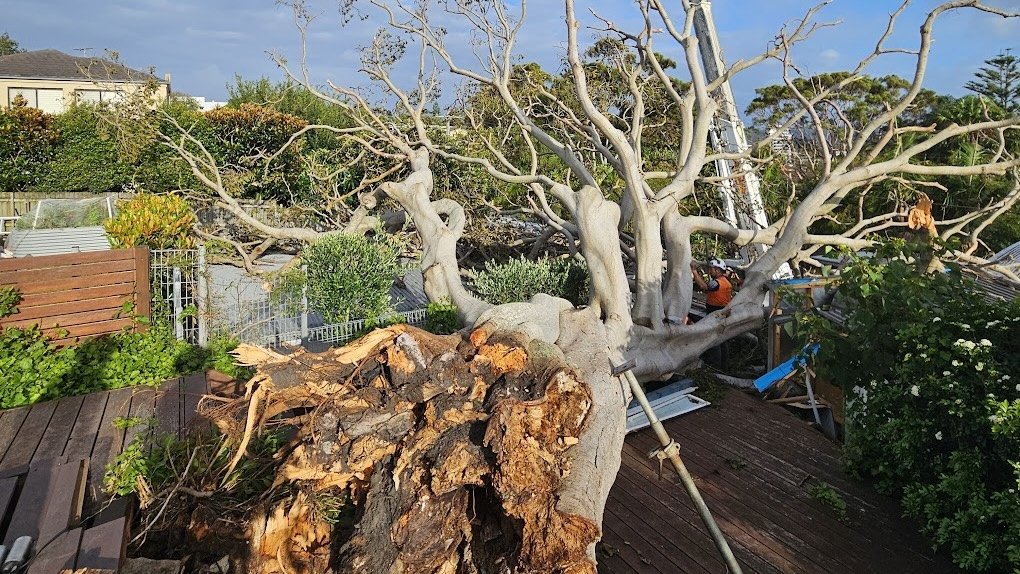
Serving Fairlight and the surrounding Northern Beaches — qualified, insured and familiar with the large established gardens and elevated terrain in this suburb.
Fairlight is one of the smaller, more tightly settled suburbs on the Northern Beaches — tucked between Manly to the south and Balgowlah to the north. What it lacks in size it makes up for in character: established residential streets lined with mature trees, generous blocks by inner-northern-beaches standards, and gardens that in many cases have been growing for fifty years or more. When you call The Living Canopy, you deal directly with Alex Price — a qualified arborist who visits Fairlight regularly and understands the mix of old garden specimens and remnant native trees you find here.
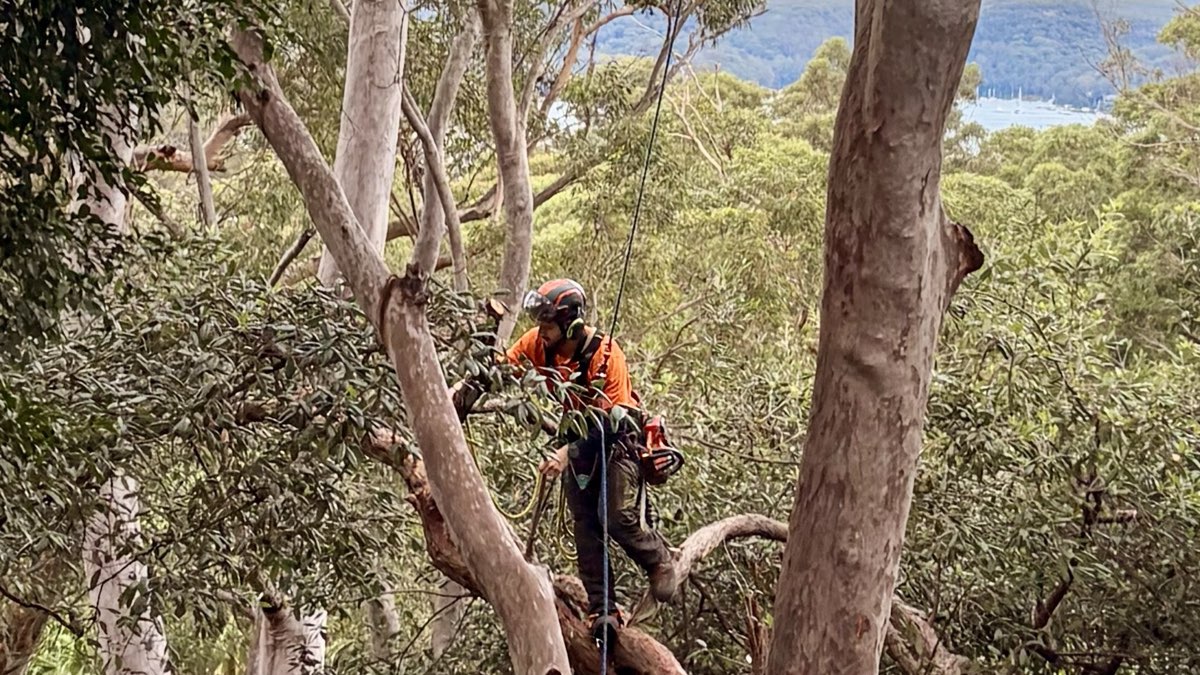
The terrain in Fairlight is more varied than it first appears. Parts of the suburb are gently sloping but some blocks — particularly those on the eastern side — have significant gradient, with views toward the Harbour and North Head. These steeper sites can make tree work logistically demanding: access for machinery is sometimes impossible, which means more of the work is done by climbers using rope techniques. We're set up for that kind of job and carry it out safely and efficiently.
The age of the gardens here is both their appeal and the source of many of the tree-related issues we're called in to address. Old Ficus species — particularly Ficus microcarpa and Ficus rubiginosa (Port Jackson Fig) — are common on established blocks and can cause significant root problems as they age. Large specimen trees planted in an era when blocks were less subdivided can now be very close to structures. Mature Liquid Ambers, Camphor Laurels and large ornamental trees that were planted as young specimens decades ago require professional assessment and careful managed pruning to keep them safe without destroying their form.
We handle the full range of tree services in Fairlight — from a straightforward pruning job to manage clearance from a roof or fence line, through to complex removals requiring technical rigging and multiple climbers. Every job gets the same approach: a proper on-site assessment, an honest quote and work carried out to the Australian Standard. No rushed visits, no guessing games.
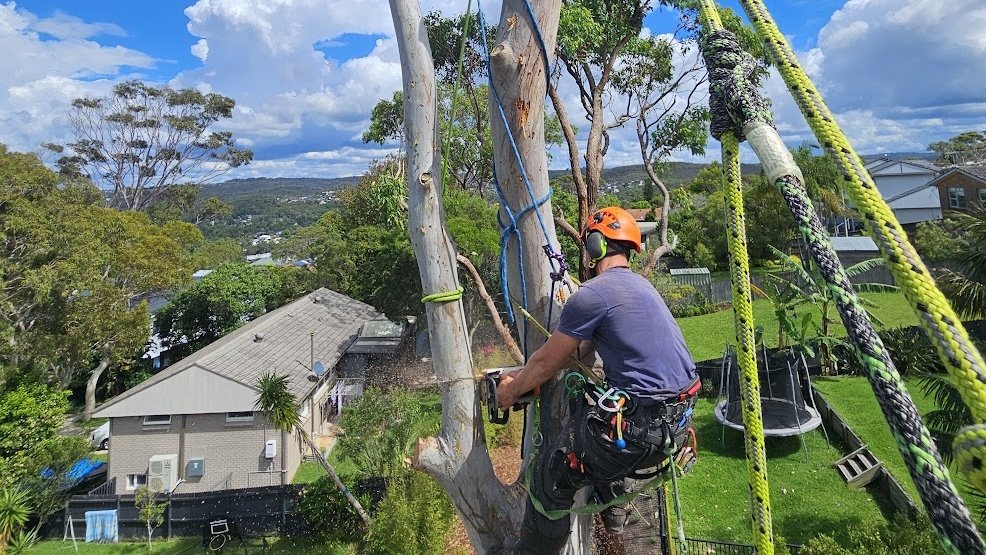
Every tree service you need, carried out by a qualified arborist who works this part of the Northern Beaches regularly.
Safe, efficient removal of trees of all sizes — including technical rigging, sectional dismantling and crane-assisted work.
Crown reduction, deadwooding, formative pruning and clearance work — all to AS 4373-2007 standard on every job.
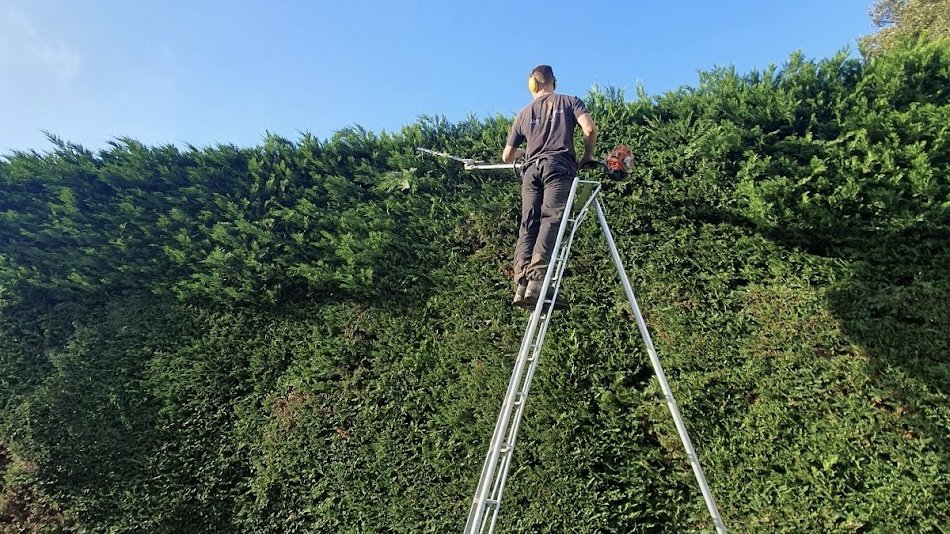
Neat, precise trimming for all hedge types. We remove all clippings and leave a clean finish every time.
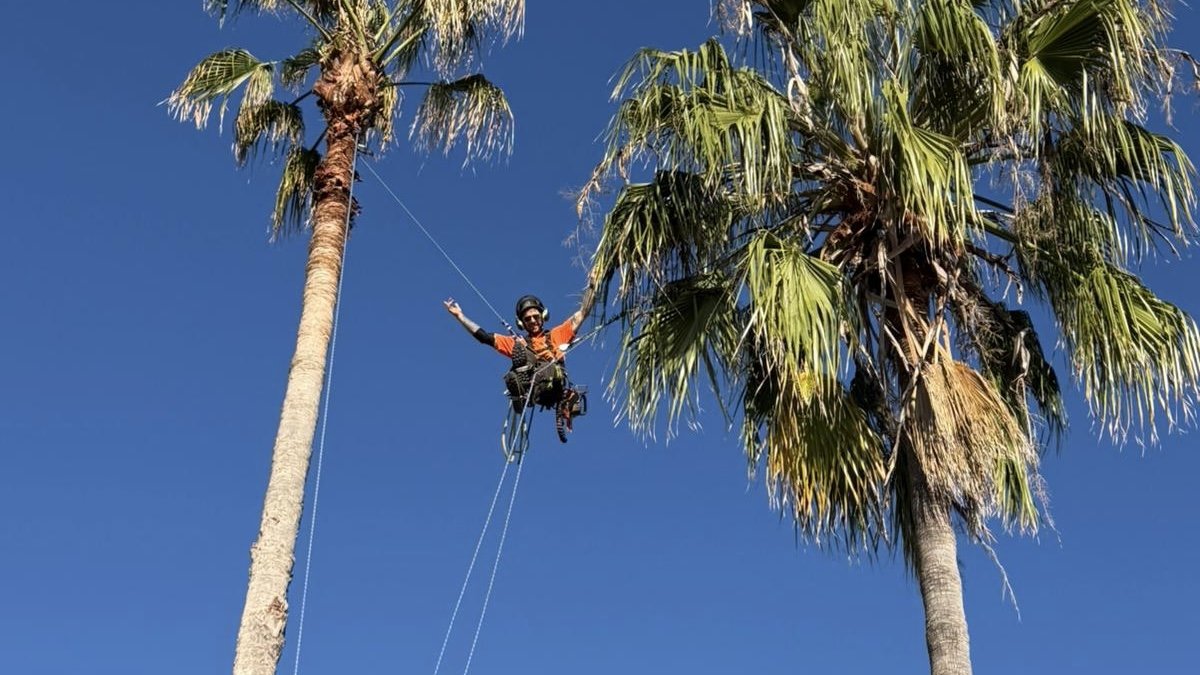
Dead frond removal, seed pod and flower stalk removal — keeping your palms healthy, safe and tidy.
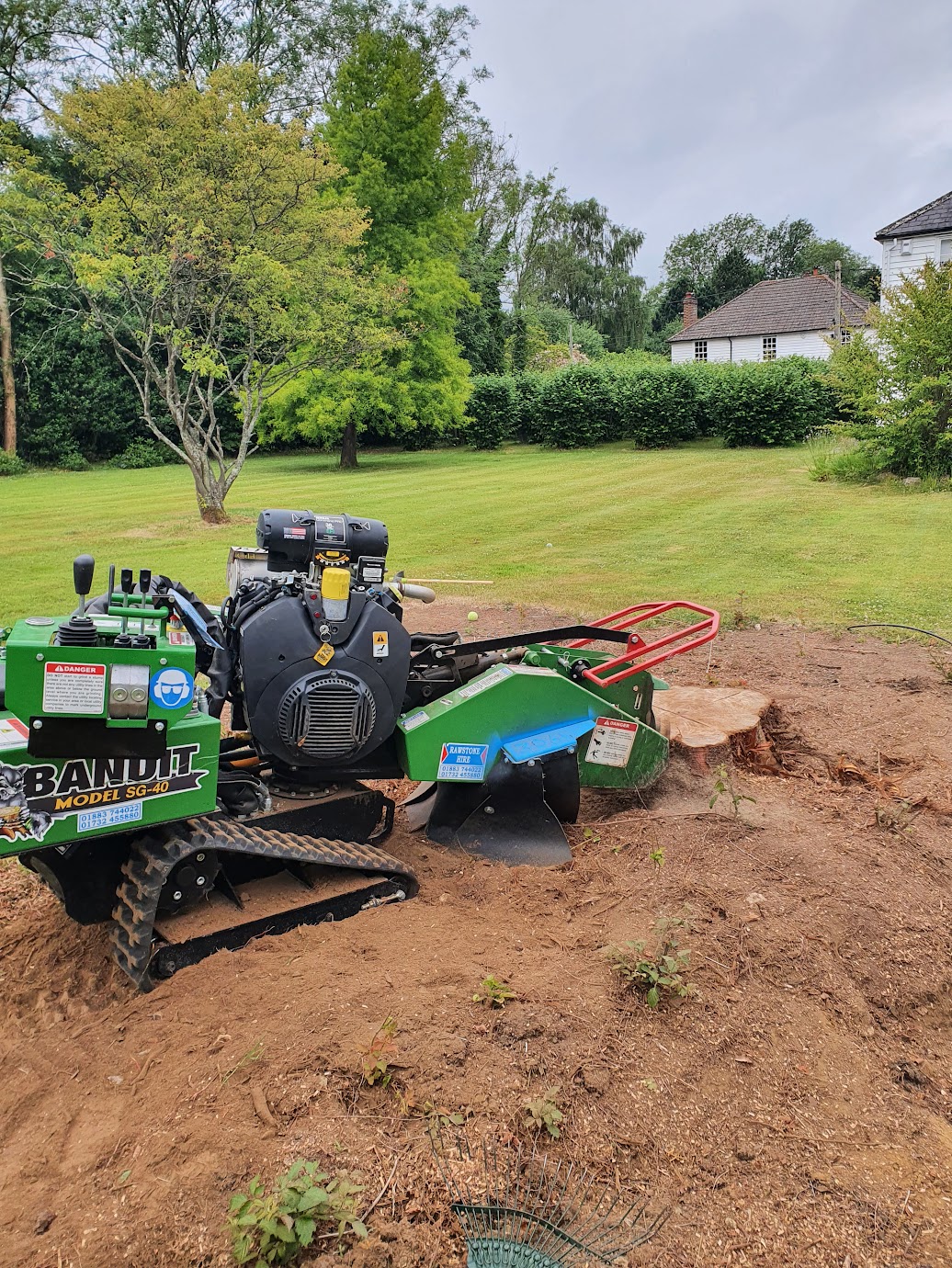
Complete removal below ground level — leaving a clean site ready for turf, landscaping or replanting.
Fast response to storm damage, fallen trees and hazardous situations. Call us first.
Fairlight's tree character is defined largely by its residential history — decades of planting by successive homeowners has produced a diverse mix of natives and exotics that now form the suburb's canopy. Angophora costata (Sydney Red Gum) and various Eucalyptus species occur on the remnant sandstone ridges and in gardens where native planting has been favoured, providing structural canopy on larger blocks. Ficus species — particularly Port Jackson Fig (Ficus rubiginosa) — are well established on older properties, often having been planted as shade trees decades ago. These can grow to considerable size and their surface root systems are a frequent issue near driveways, paths and building footings.
The exotic component of Fairlight's tree canopy is wide and varied. Jacaranda mimosifolia is common on residential streets, providing the characteristic purple flower display in spring. Liquid Ambers, Camphor Laurels and ornamental Magnolias appear frequently in older gardens. Cocos Palms (Syagrus romanzoffiana) are a nuisance species across much of the Northern Beaches and Fairlight is no exception — they self-seed and are exempt from permit requirements, but they need regular maintenance to manage the fruit drop and dead frond hazard. On the native side, Banksia integrifolia and various Melaleucas appear on some blocks, providing habitat value and a connection to the pre-development landscape.
Northern Beaches Council requires development consent under their Development Control Plan (DCP Part B13 — Tree and Vegetation Management) before removing or significantly pruning any tree that meets one or more of the following thresholds: 5 metres or more in height, a canopy spread of 5 metres or more, or a trunk diameter of 30 cm or more measured at 1 metre above ground level. Applications are submitted through Council's online portal.
In Fairlight, the permit requirement covers most significant native trees and many established exotic specimens that have reached the threshold sizes. Camphor Laurels, while an invasive exotic species, are protected if they exceed the threshold dimensions. We assess trees at the quoting stage, advise whether a permit is required and assist with the application process. Unauthorised removal carries significant financial penalties.
Don't take our word for it — here's what our customers have said.
"We found Alex and his team very friendly and helpful. They provided a professional service and we are very pleased with their work. We will definitely use them again."
"Amazing level of service. Polite, efficient, knowledgeable, professional and exceedingly hardworking. Lovely guys. Would not hesitate to use again and will definitely recommend to others."
"Fantastic job! They turned up on time, worked fast, tidied up and did a great job all round. These guys will be my go-to now to keep the trees and hedges in order. I HIGHLY recommend."
Do I need a council permit to remove a tree in Fairlight?
Yes, for most significant trees. Northern Beaches Council requires development consent before removing or significantly pruning any tree that is 5 metres or more in height, has a canopy spread of 5 metres or more, or a trunk diameter of 30 cm or more at 1 metre above ground. This covers the majority of established trees in Fairlight — including natives, established exotics like Ficus species, and even some Camphor Laurels if they meet the size thresholds. We confirm this at the quoting stage.
Can you work on steep or elevated blocks in Fairlight?
Yes. Steep sites are a regular part of the work on the Northern Beaches and Fairlight is no different. Where machinery access is limited or impossible, our climbers use rope techniques to work safely at height without putting heavy equipment on difficult terrain. We carry the right gear for confined or elevated sites and quote for the actual conditions — not for an easier version of the job.
What should I do about an old Ficus tree that's lifting my driveway?
That's a common issue in Fairlight and across the older parts of the Northern Beaches. Ficus species — particularly Port Jackson Fig and Moreton Bay Fig — have aggressive surface root systems that can lift paving, damage footings and invade drainage infrastructure. The options range from root management and strategic pruning through to removal, depending on the size of the tree and its position relative to structures. We assess each situation individually — sometimes root management is sufficient, sometimes removal is the only practical solution. We'll give you an honest assessment on-site.
Do you remove Cocos Palms?
Yes. Cocos Palms (Syagrus romanzoffiana) are a declared weed species in NSW and are exempt from permit requirements — you do not need council approval to remove them. We remove Cocos Palms of all sizes, including stump grinding to prevent regrowth. They're one of the more straightforward jobs we do in terms of the approval side of things, and we can usually turn around a quote quickly.
We work regularly across Fairlight and the surrounding Northern Beaches. Call us directly or send an enquiry and we'll come to you, assess the job and give you a clear, honest price.
0452 030 077