Serving Dee Why's mix of beachfront apartments, established residential streets and lagoon-buffer properties — with specialist knowledge of coastal tree species and sensitive buffer zones.
Dee Why is one of the Northern Beaches' most populous suburbs, sitting between the beach to the east and the Dee Why Lagoon Wildlife Refuge to the south. Properties backing onto or near the lagoon are subject to additional planning controls under SEPP (Resilience and Hazards) 2021, which identifies sensitive coastal land and wetland buffer zones. Tree work within or adjacent to these buffers may require additional development consent from Northern Beaches Council beyond the standard tree permit — Alex checks the applicable planning instruments before advising on any work in the lagoon area.
For the majority of Dee Why's residential streets — Pacific Parade back to Oaks Avenue and across to Fisher Road — Northern Beaches Council's standard tree permit rules apply. Any tree 5 metres or taller, with a canopy spread of 5 metres or more, or a trunk diameter exceeding 30 cm measured at 1 metre from the ground, requires a permit before removal or significant pruning. The most common requests we see in Dee Why are hedge management along boundary lines, overgrown Banksia and Callistemon causing roof or gutter issues, and Cocos palms whose persistent frond drop and fruit clusters create maintenance headaches for strata-managed blocks.
Dee Why's apartment and unit density means we frequently work on strata properties — townhouse complexes and small walk-up blocks where the strata manager or owners corporation is the client rather than an individual homeowner. We're familiar with the documentation requirements for strata work, including providing formal quotes with scope-of-work detail, certificate of insurance, and arborist qualifications for the strata records. This paperwork matters: a lot of arborists skip it, and strata managers appreciate the professionalism.
The suburb's coastal exposure also means trees here are subject to salt-laden onshore winds, which stress canopies, promote die-back in new growth, and create the windward-side dead-branch accumulation you see on many Dee Why trees facing the ocean. Regular crown inspections and targeted dead-wooding are the most cost-effective way to manage this — far cheaper than waiting until a branch comes down in a storm.
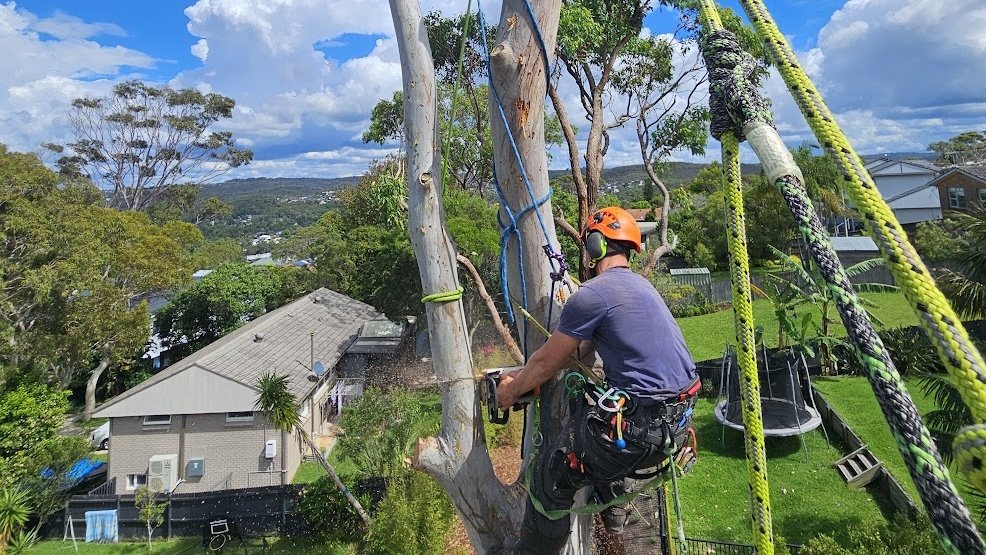
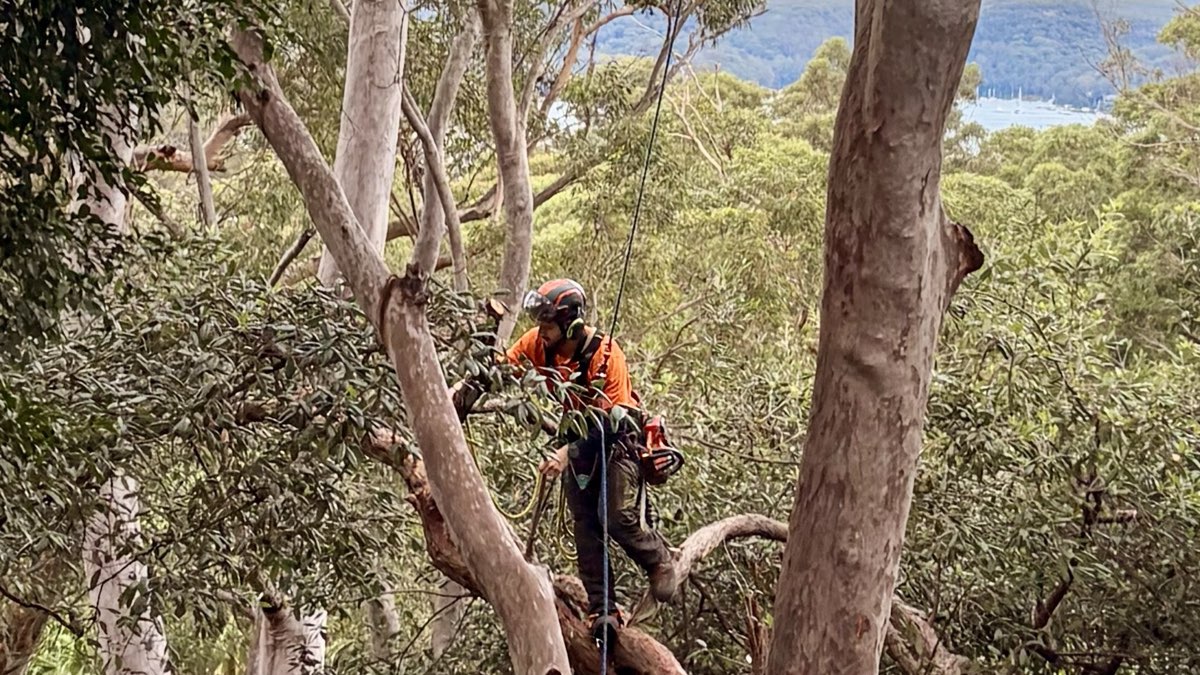
Safe removal in Dee Why's dense residential and strata environment — minimal disruption to neighbours, with full cleanup included.
Dead-wooding, crown reduction and clearance pruning on coastal Banksias, Angophoras and street trees to AS 4373-2007 standards.
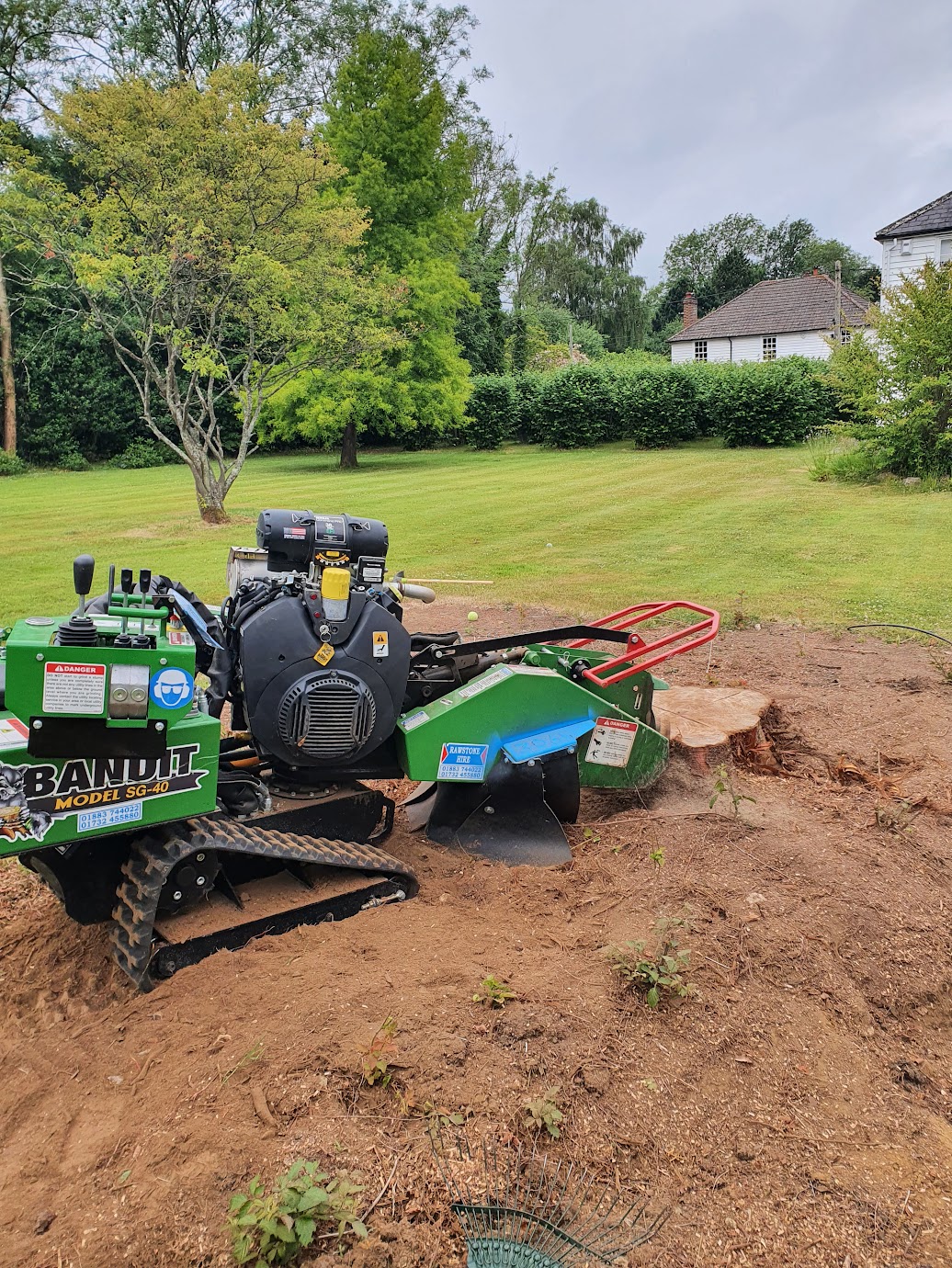
Compact grinder for unit block courtyards and narrow side access. Grinds 300 mm below grade for lawns and paving.
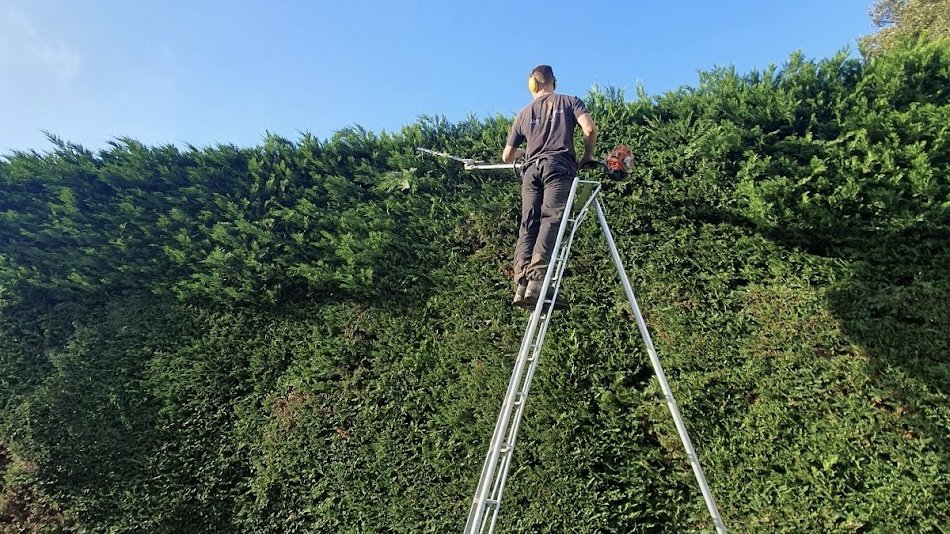
Regular maintenance for Lilly Pilly, Murraya, Photinia and Pittosporum hedges on Dee Why boundary lines and strata common areas.
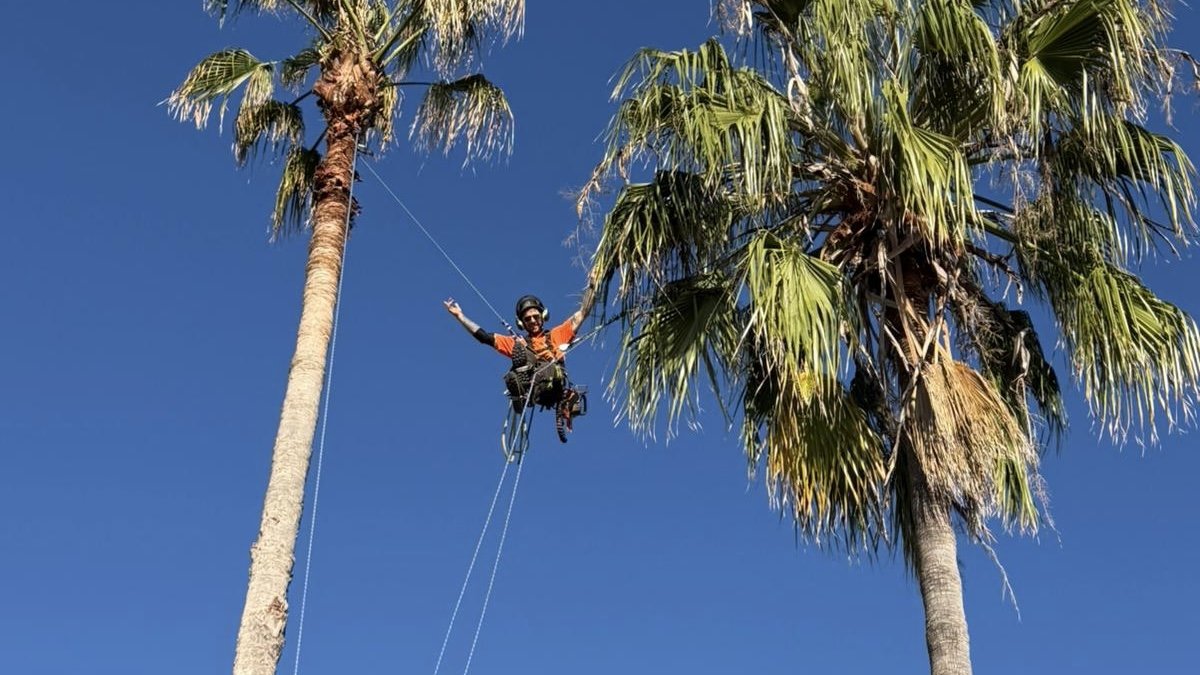
Cocos and Bangalow palm maintenance — frond, seed head and fruit removal to keep gutters and paths clear year-round.
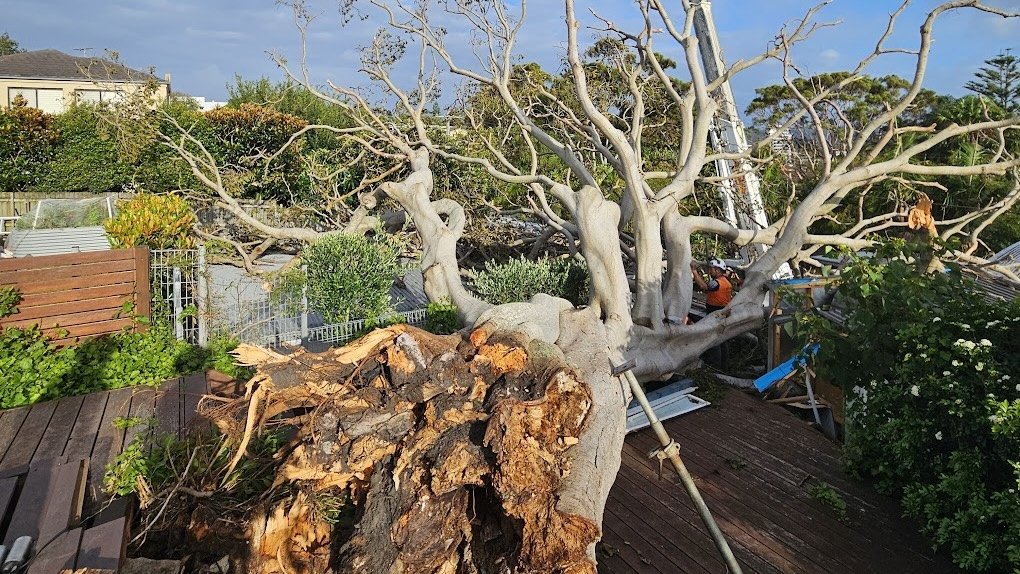
Storm response for Dee Why properties. Coastal wind events can drop branches quickly — we respond same day, seven days.
Dee Why falls under Northern Beaches Council. A tree permit is required before removing or significantly pruning any tree that meets one or more of these criteria:
Properties near Dee Why Lagoon may have additional SEPP controls applying — extra consent may be required for work in or adjacent to the sensitive coastal land buffer. Alex checks the applicable planning instruments before advising. Standard exemptions apply: dead trees (arborist-certified), trees within 3 m of approved structure, genuine emergency situations.
"Our strata committee needed full documentation — insurance certificate, scope of work, qualifications. Alex had it all ready before we even asked. The job itself was clean and quick. The owners corporation was very happy."
"Had a large Banksia dropping limbs towards the house after the last storm. Alex came out the same day, assessed it and removed the hazardous sections. Very reassuring to have someone so experienced."
"Three Cocos palms cleaned up, gutters cleared, all waste removed. Honest advice about which ones needed permits and which didn't. Exactly what we needed."
Do I need a permit to remove a tree in Dee Why?
Most trees in Dee Why fall under Northern Beaches Council DCP Part B13. Any tree 5 metres or taller, with a trunk diameter over 30 cm at 1 metre height, or a canopy spread of 5 metres or more requires development consent before removal or significant pruning. Exempt species and trees within 3 metres of an approved structure may not need a permit. We check permit requirements at every quote. See our Northern Beaches tree permit guide for more detail.
How much does tree removal cost in Dee Why?
Tree removal in Dee Why typically ranges from $400 for a small tree to $3,500+ for large complex jobs. Price depends on tree size, species, site access and proximity to structures or power lines. All quotes are free — we visit your property, assess the job and give you a written price with no obligation. See our 2026 cost guide for typical price ranges.
How quickly can you get to Dee Why for urgent work?
For genuine emergencies — storm damage, fallen trees, or trees posing an immediate risk to life or property — we respond the same day. We're based in North Narrabeen, so we're typically on-site across the Northern Beaches within the hour. For standard jobs we aim to quote within 48 hours and book work within 1–2 weeks.
Are your quotes really free in Dee Why?
Yes — completely free, with no obligation. Alex visits your property in person, assesses the trees and gives you a clear written price. There is no charge for the site visit, no hidden call-out fee, and no pressure to book.
Whether it's a beachside property, a strata block, or a lagoon-buffer yard, we have the expertise to handle it safely and compliantly. Call for a free quote.
0452 030 077