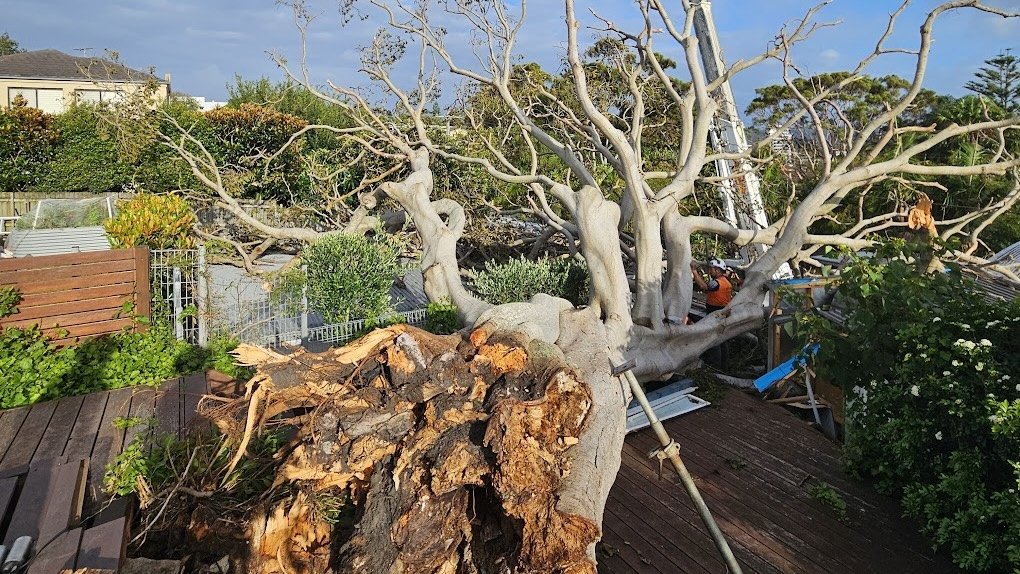
Serving both coastal Collaroy and the larger blocks of Collaroy Plateau — from salt-exposed beachfront she-oaks and Norfolk Island Pines to established eucalypts on the escarpment above.
The beachfront strip along Pittwater Road is dense, salt-blasted and exposed to the full force of the Northern Beaches' coastal weather — a dynamic that shapes the root systems, structure and stability of every tree on narrow beachfront blocks. The Collaroy Plateau above the escarpment is a very different environment: larger blocks, deeper soils, and established eucalypts and ornamentals that have matured undisturbed for decades. Both zones require fundamentally different approaches, and we have worked across both extensively.
On the coastal side, the combination of salt air, sand substrate and periodic storm inundation creates predictable patterns of stress. Allocasuarina (coastal she-oak) and Banksia integrifolia handle these conditions better than most, but even these hardy species need regular deadwooding as wind kills off branches on the ocean-facing side. Norfolk Island Pines — the iconic silhouettes of the Collaroy beachfront — require specialist knowledge to maintain correctly. More sensitive ornamentals — Jacarandas, Liquidambars — often need active structural management to stay sound through Collaroy's winter storm season.
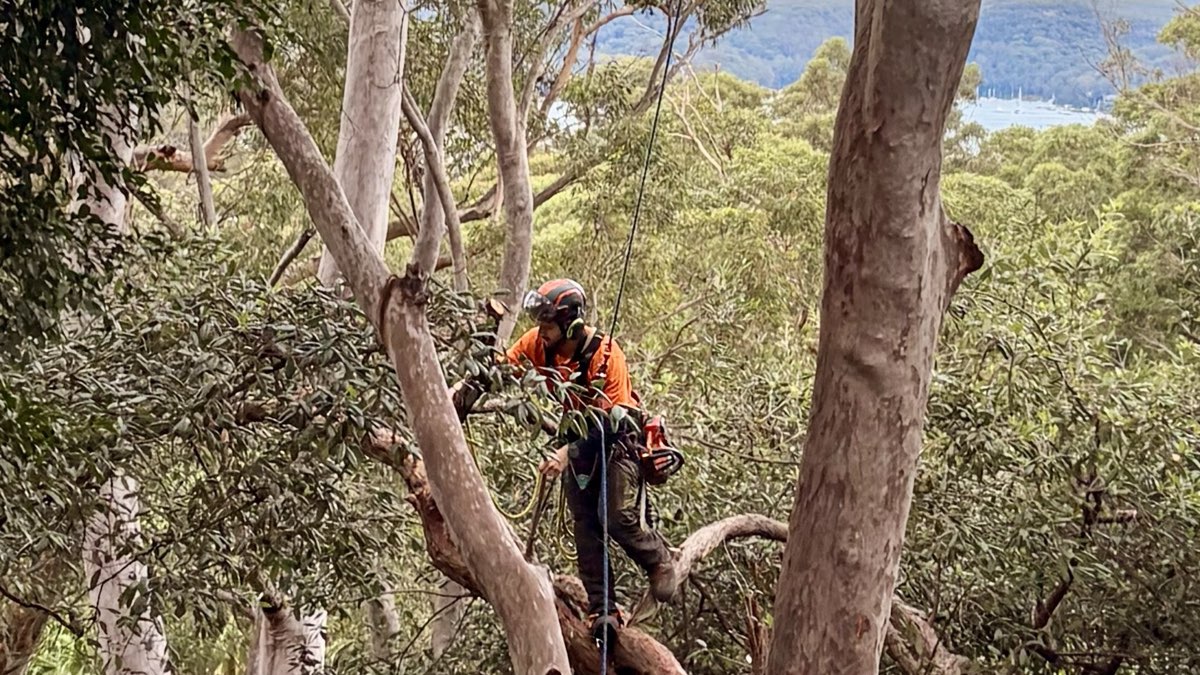
On the Plateau, the most common issues we address are large Eucalyptus dropping limbs over houses and fences, Cocos and Canary Island palms overwhelming garden beds, and established native trees growing into structures and driveways. Collaroy Plateau's escarpment geography also means some blocks have extreme rear yard slope — where timber must be lowered by rope rather than chipped in place. We have the rigging skills and equipment to manage this safely without damaging retaining walls or garden beds below.
Full arboricultural services for coastal Collaroy and the larger blocks of Collaroy Plateau.
Safe removal on both coastal beachfront blocks and steep Collaroy Plateau sites — including escarpment rigging and controlled lowering without damage to gardens below.
Deadwooding and structural pruning for salt-stressed coastal trees and large established eucalypts on the Plateau — all to AS 4373-2007 standard.
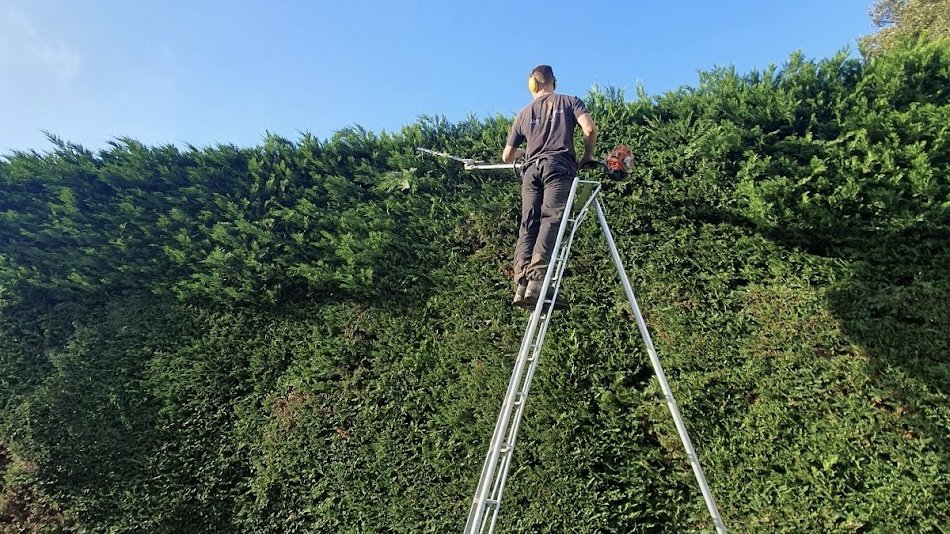
Salt-tolerant Westringia and Lilly Pilly hedge maintenance for Collaroy coastal gardens and Plateau boundary screening.
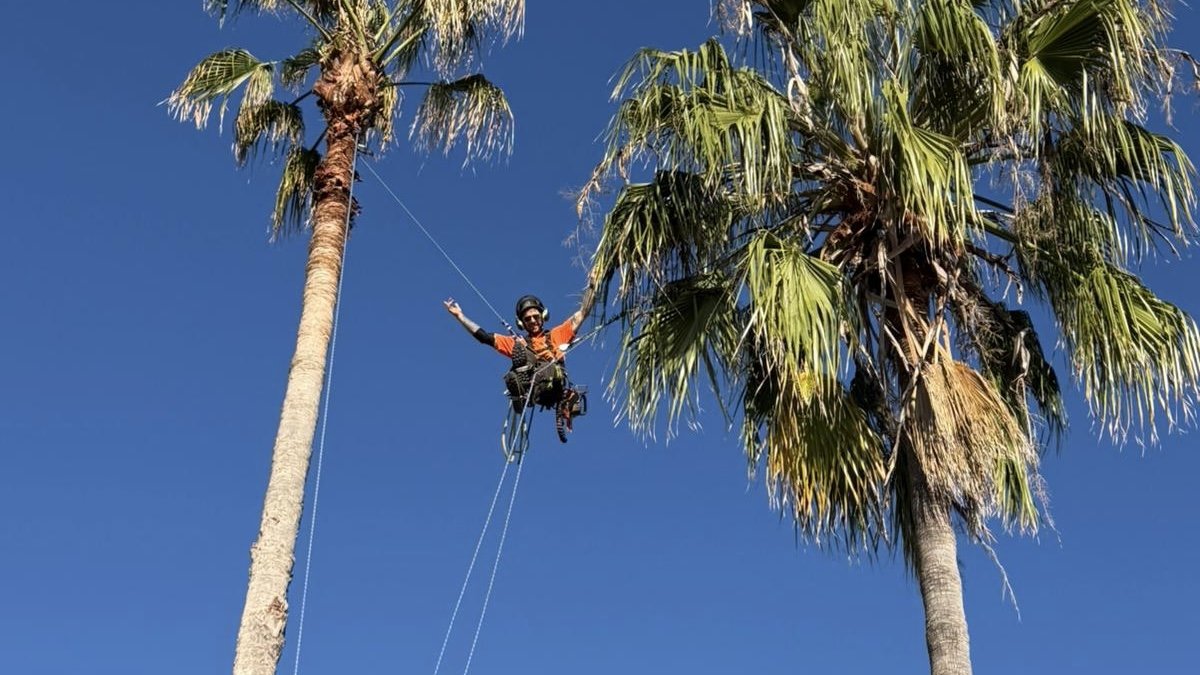
Cocos and Bangalow palm maintenance for both beachfront and Plateau gardens — dead frond and fruit cluster removal, keeping gutters and paths clear.
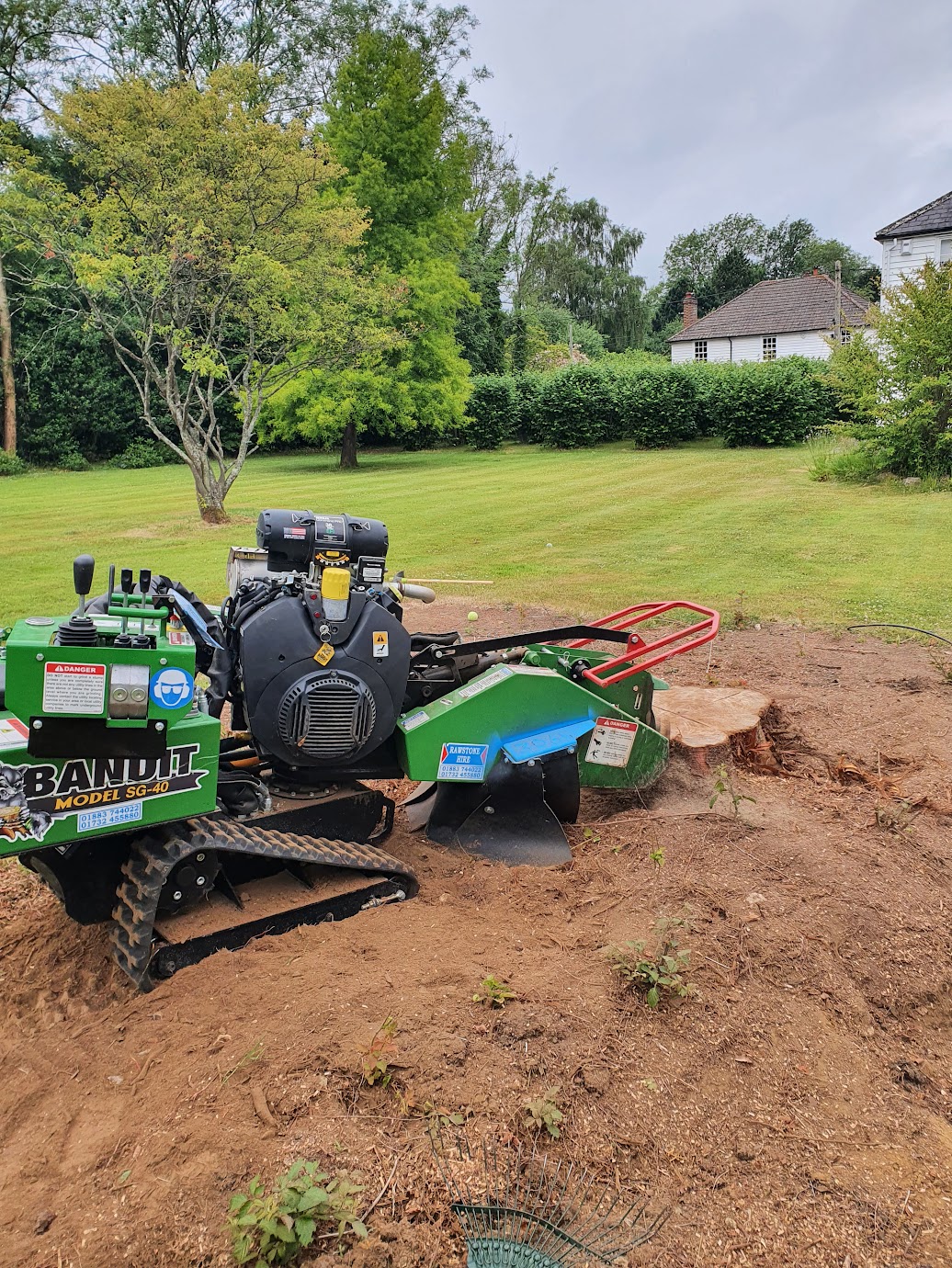
Complete stump removal on both flat coastal sites and steep Plateau blocks — leaving a clean site ready for turf or landscaping.
Collaroy's coastal exposure means wind events can cause serious damage. Same-day storm response — call us first.
Coastal she-oak (Allocasuarina littoralis) — The classic windbreak species along the Collaroy foreshore. Fine needle-like foliage and extraordinary salt tolerance. Provides excellent screening but needs periodic deadwooding and thinning to maintain form, particularly on the ocean-facing aspect.
Norfolk Island Pine (Araucaria heterophylla) — The defining silhouette of the Collaroy beachfront and coastline. These trees require specialist knowledge to maintain correctly. The central leader (growing tip) cannot be replaced once removed — improper topping causes permanent structural damage and exposes the tree to disease. We understand how to maintain Norfolk Island Pines safely and in a way that preserves their long-term health and form.
Coast Banksia (Banksia integrifolia) — Widespread on both the coastal strip and lower Plateau. Persistent cones and dense canopy create elevated fuel loads if not managed regularly. Very wind-firm but exposed limbs die off on the seaward face and require deadwooding.
Sydney Red Gum (Angophora costata) — Found on sandstone outcrops on Collaroy Plateau. Dramatic sculptural form but sheds limbs unpredictably. Targeted deadwood removal and careful crown assessment is the safest management approach for mature specimens near structures.
Tallowwood (Eucalyptus microcorys) — On deeper soils of the Plateau. Can reach 30 metres and develop significant crown weight. Regular inspection for included bark and structural defects is recommended for trees near houses and fences.
Cocos Palm (Syagrus romanzoffiana) — Prolific self-seeder across both zones. Annual frond and fruit cluster removal prevents gutter blockage, slippery paths and uncontrolled self-seeding into garden beds. Permits are generally not required for Cocos Palm removal in Northern Beaches.
Collaroy and Collaroy Plateau both fall under Northern Beaches Council. Development consent is required before removing or significantly pruning any tree that meets one or more of the following: 5 metres or more in height, canopy spread of 5 metres or more, or trunk diameter of 30 cm or more at 1 metre above ground.
Certain introduced and invasive species are exempt — Cocos Palms and some other exotics do not require a permit. However, native trees including Angophora, Tallowwood, Banksia and Casuarina typically require approval. Permits are free to apply for through Northern Beaches Council's online portal. We advise on approval likelihood and can assist with the application process. See our full Northern Beaches permit guide.
Don't take our word for it — here's what our customers have said.
"We found Alex and his team very friendly and helpful. They provided a professional service and we are very pleased with their work. We will definitely use them again."
"Amazing level of service. Polite, efficient, knowledgeable, professional and exceedingly hardworking. Lovely guys. Would not hesitate to use again and will definitely recommend to others."
"Fantastic job! They turned up on time, worked fast, tidied up and did a great job all round. These guys will be my go-to now to keep the trees and hedges in order. I HIGHLY recommend."
Do I need a council permit to remove a tree in Collaroy or Collaroy Plateau?
Yes, in most cases. Northern Beaches Council requires development consent before removing or significantly pruning any tree that is 5 metres or more tall, has a canopy spread of 5 metres or more, or has a trunk diameter of 30 cm or more at 1 metre above ground. This applies equally to both the coastal strip and the Plateau. Certain introduced species like Cocos Palms are generally exempt, but native trees — Angophora, Tallowwood, Banksia, Casuarina — typically require a permit. We check at the quoting stage. See our Northern Beaches permit guide.
Can you work on steep rear blocks on Collaroy Plateau?
Yes. Steep escarpment terrain and rocky rear yards on Collaroy Plateau are a routine part of what we do. Where machinery cannot access or safe felling is not possible, we use single rope technique (SRT) climbing, technical rigging and controlled lowering systems to bring timber down piece by piece without damaging retaining walls, garden beds or structures below. We plan the access method before any work starts.
How do Norfolk Island Pines need to be maintained?
Norfolk Island Pines have a central leader — the dominant growing tip at the apex — that cannot be replaced once removed. Topping or removing the leader permanently damages the tree's structure and natural form, and makes it prone to structural failure. Correct maintenance removes only dead, damaged or structurally unsound branches from the lower and mid canopy, without touching the leading tip. We never top Norfolk Island Pines and will be honest with you if a previously damaged tree poses a long-term safety risk.
What should I do with Cocos Palms on my property?
Cocos Palms (Syagrus romanzoffiana) are prolific self-seeders and are considered a weed species in many coastal NSW areas. Annual maintenance — removing dead fronds and large fruit clusters before they drop — reduces mess, gutter blockage and self-seeding. A permit is generally not required for Cocos Palm removal under Northern Beaches Council rules, as they are an introduced species. We handle both annual maintenance contracts and full removal.
Are the trees on Collaroy beachfront properties safe after storm events?
Significant coastal storm events — particularly the kind of coastal erosion events that affect Collaroy's beachfront — can destabilise trees by undermining root systems, saturating sandy soils and causing sudden loss of anchorage. After any major storm, beachfront trees should be assessed by a qualified arborist before the area is used as normal. We offer post-storm assessments and will give you an honest opinion on what's safe and what isn't.
Is the site visit and quote free?
Yes. We visit your property, assess the trees and give you a written quote at no charge — no obligation to proceed. We'd rather give you an accurate price in person than a rough number over the phone that changes when we arrive on site.
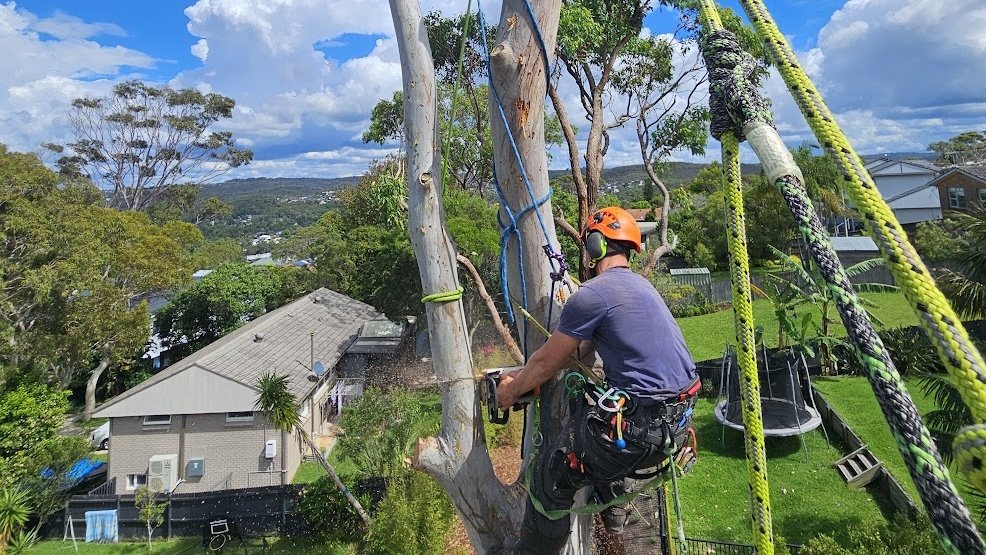
Whether it's a beachfront she-oak, a Norfolk Island Pine or a large eucalypt on the Plateau escarpment — we have the expertise and equipment to handle it safely. Call us or send an enquiry.
0452 030 077