Our work in Narrabeen
Recent jobs in Narrabeen
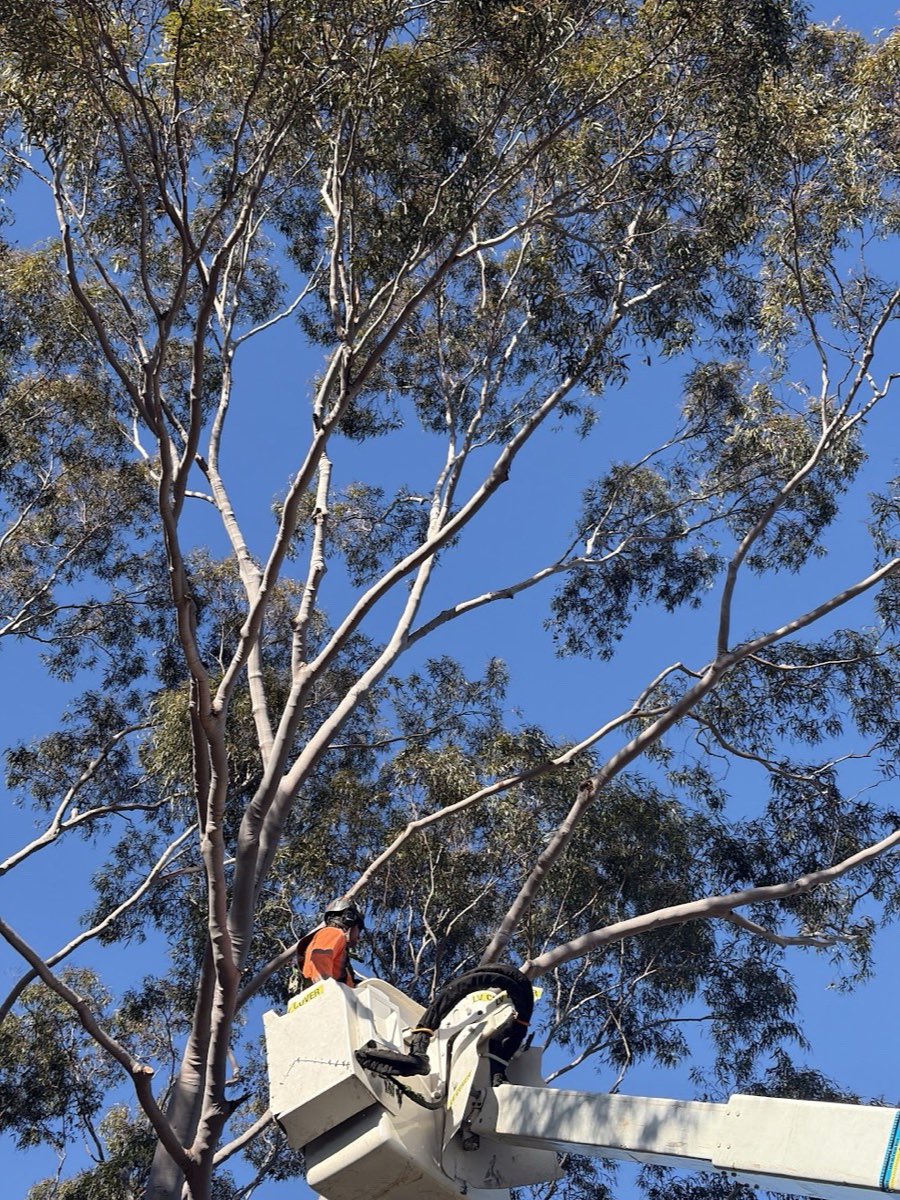
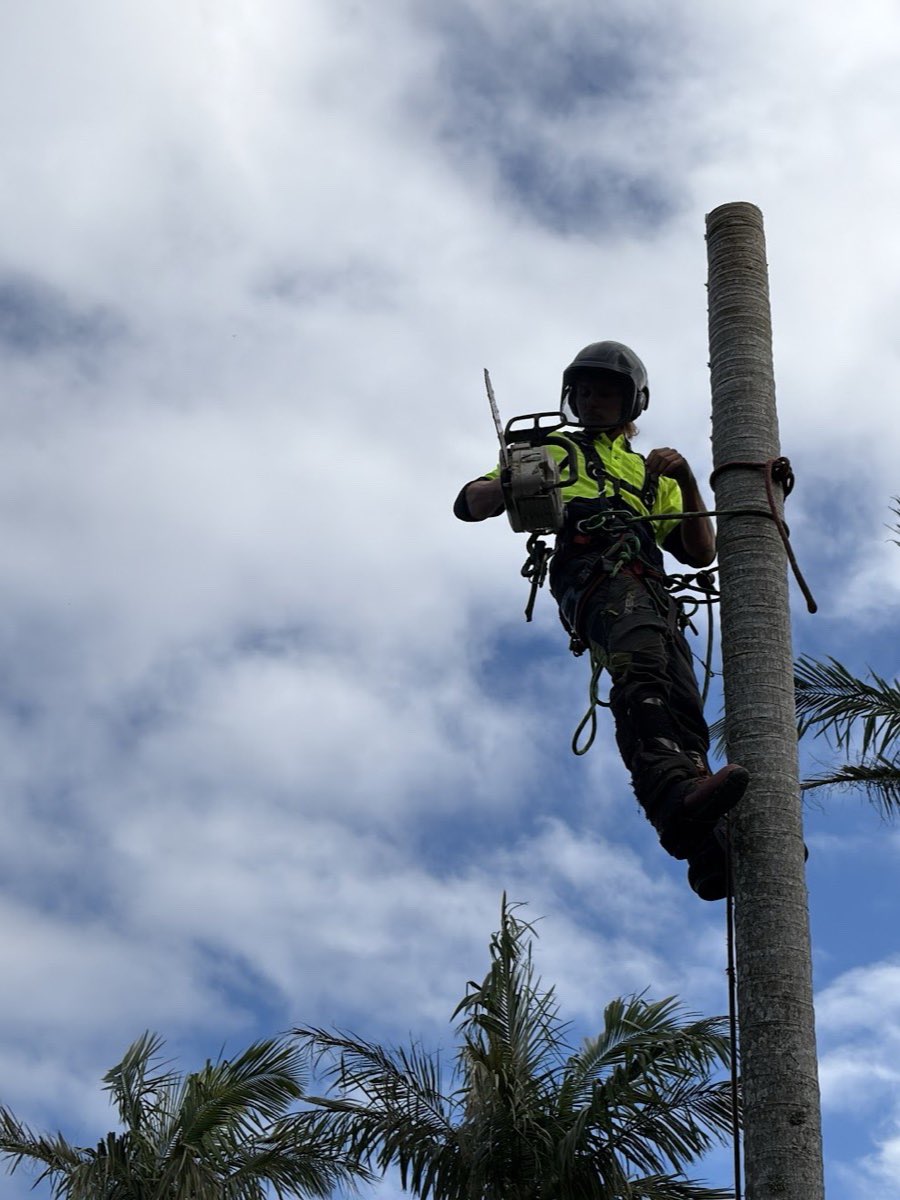
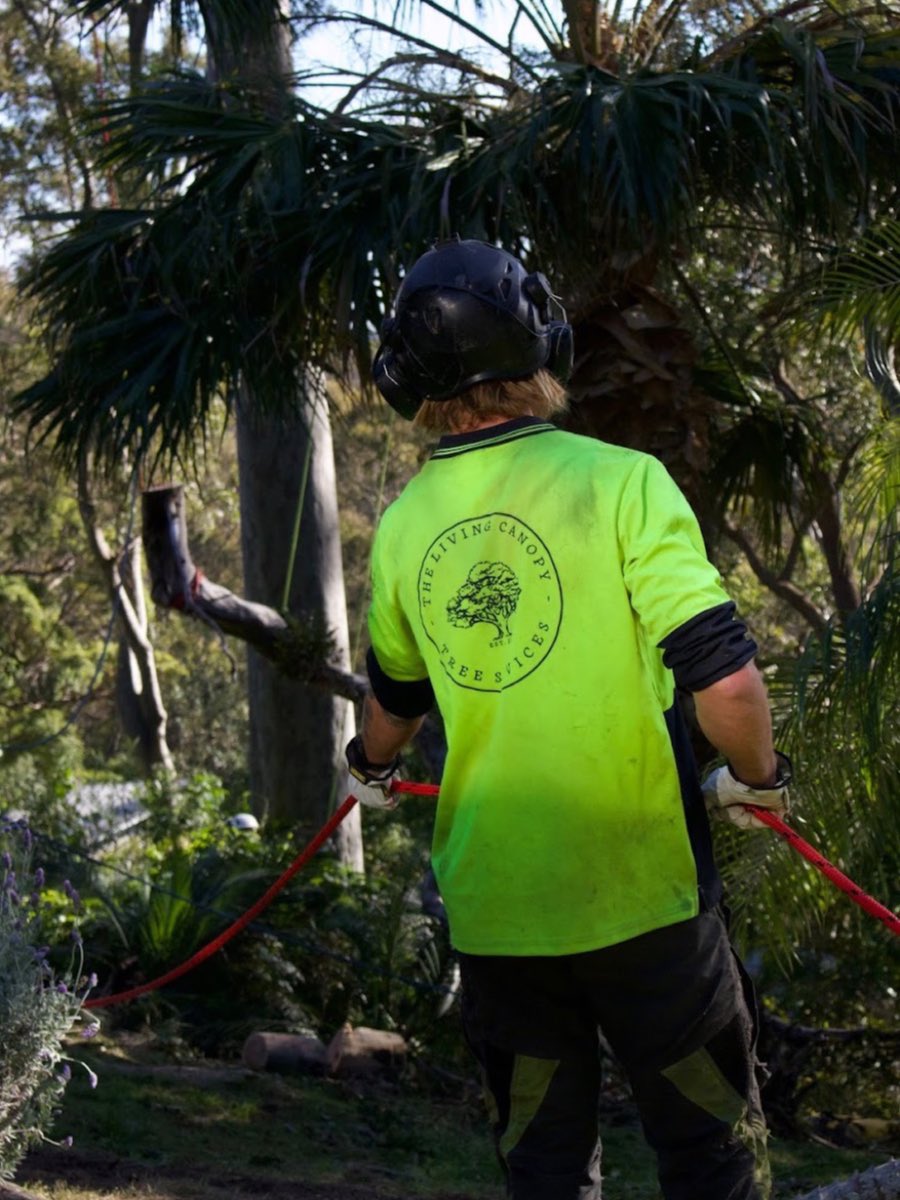
Expert tree care for Narrabeen's unique coastal environment — just five minutes from our North Narrabeen base.
Narrabeen is one of the Northern Beaches' most distinctive suburbs — squeezed between the Pacific Ocean to the east and Narrabeen Lagoon to the west, with Pittwater Road running through its spine. Streets like Albert Street, Ocean Street and Lagoon Street carry a mix of permanent residents and holiday properties, and the trees here have to deal with conditions that don't exist anywhere else on the peninsula. Wind, salt spray, sandy soils and the microclimate influence of the lagoon all shape what grows here and how it behaves.
The Living Canopy is based in North Narrabeen, literally five minutes away. When you call, you deal directly with Alex Price — a qualified arborist who knows Narrabeen's streets, its trees and its conditions. We regularly work in this suburb and we understand the particular challenges that coastal proximity creates. Salt-laden winds cause leaf scorch, crown dieback and structural weakening in many species that would otherwise be perfectly suited to the area. Correct pruning — reducing wind resistance while maintaining structure and health — is far more beneficial than removal in many of these cases.
Narrabeen's beachfront is lined with Norfolk Island Pines (Araucaria heterophylla), one of the most iconic trees on the Northern Beaches coastline. These magnificent trees require specialist knowledge to prune correctly — improper topping causes permanent structural damage and exposes them to disease. We understand how to maintain Norfolk Island Pines safely and in a way that preserves their long-term health and form. On larger residential blocks back from the beach, Angophora costata (Sydney Red Gum) is common on the sandstone rises, while the lagoon margins support established Melaleuca quinquenervia (Broad-leaved Paperbark) populations.
Storm response is a regular part of our work in Narrabeen. Nor-easters and east coast lows can cause significant tree damage in this exposed location, and we offer same-day emergency response to storm-damaged or fallen trees. Our proximity means we can be on site quickly when it matters most.
Full tree care services for Narrabeen's coastal properties — carried out by a qualified arborist who knows the area.
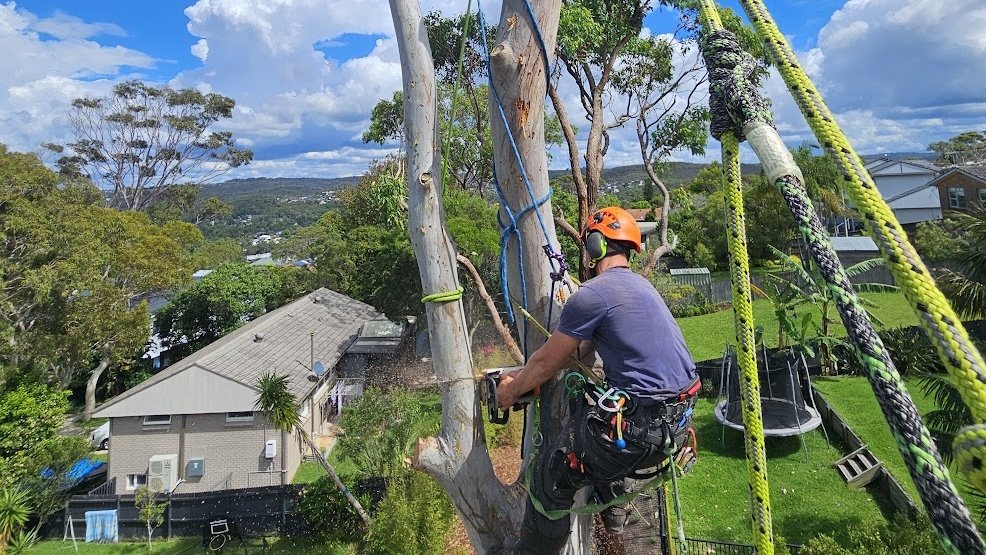
Safe, efficient removal of trees of all sizes — including technical rigging, sectional dismantling and crane-assisted work.
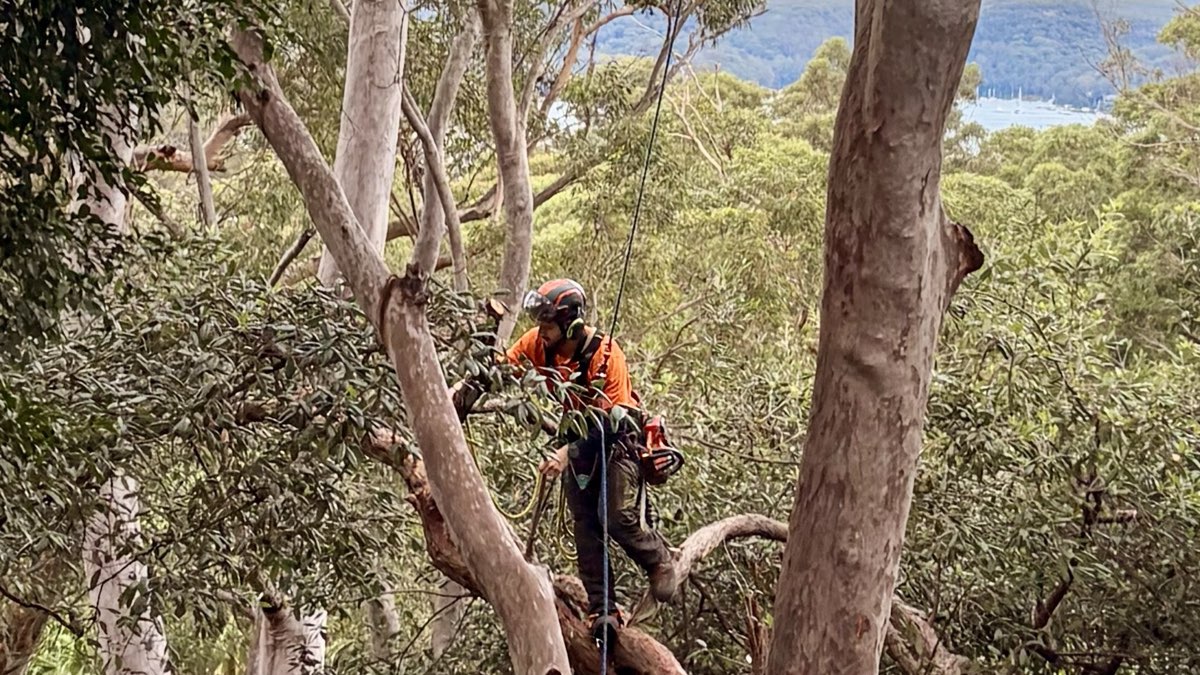
Crown reduction, deadwooding, formative pruning and clearance work — all to AS 4373-2007 standard on every job.
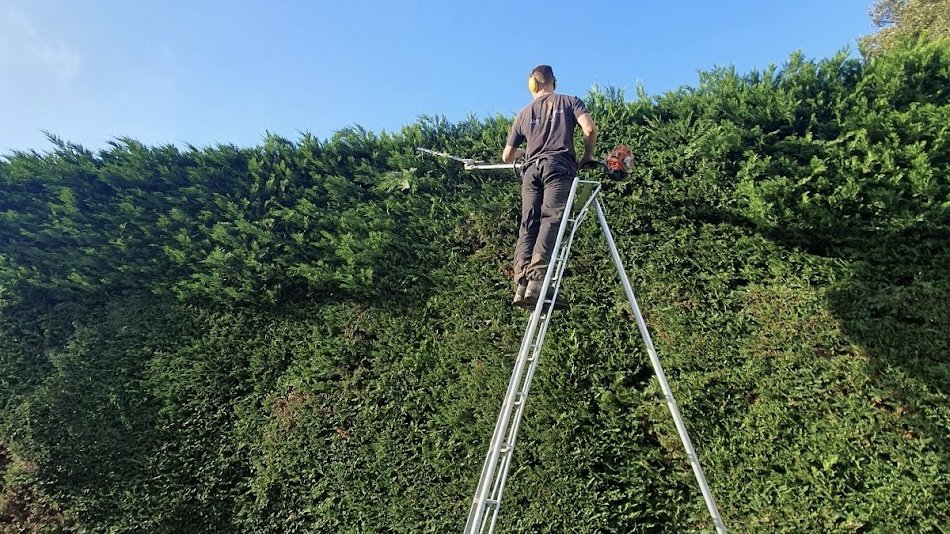
Neat, precise trimming for all hedge types. We remove all clippings and leave a clean finish every time.
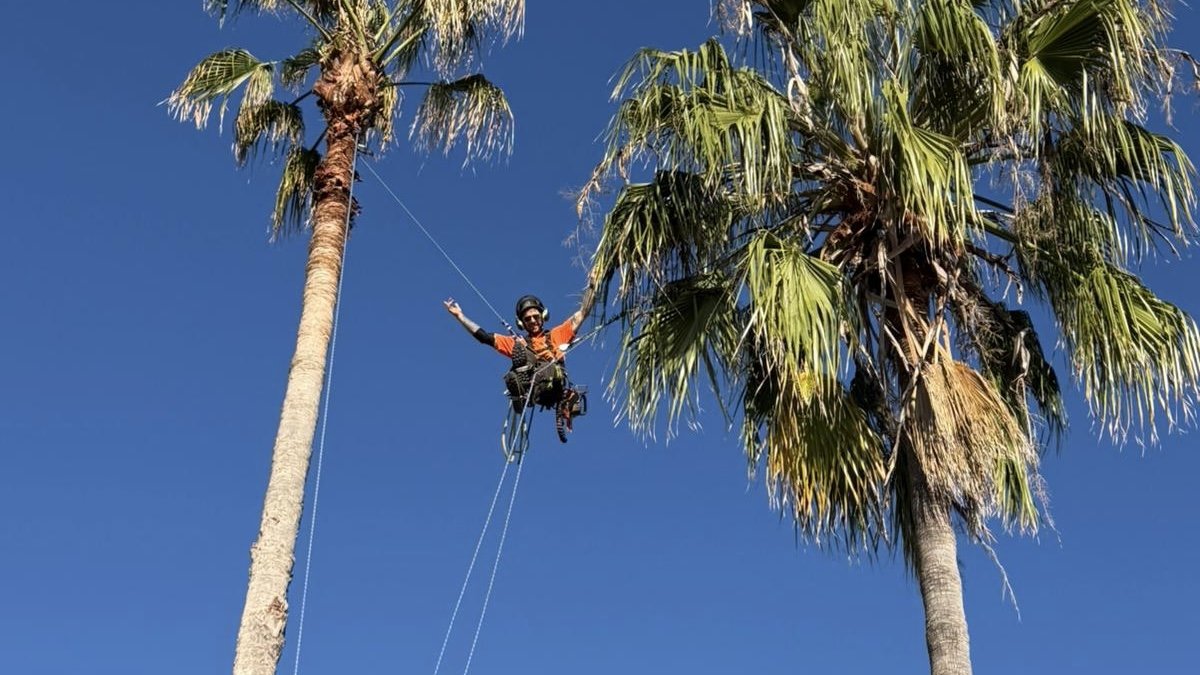
Dead frond removal, seed pod and flower stalk removal — keeping your palms healthy, safe and tidy.
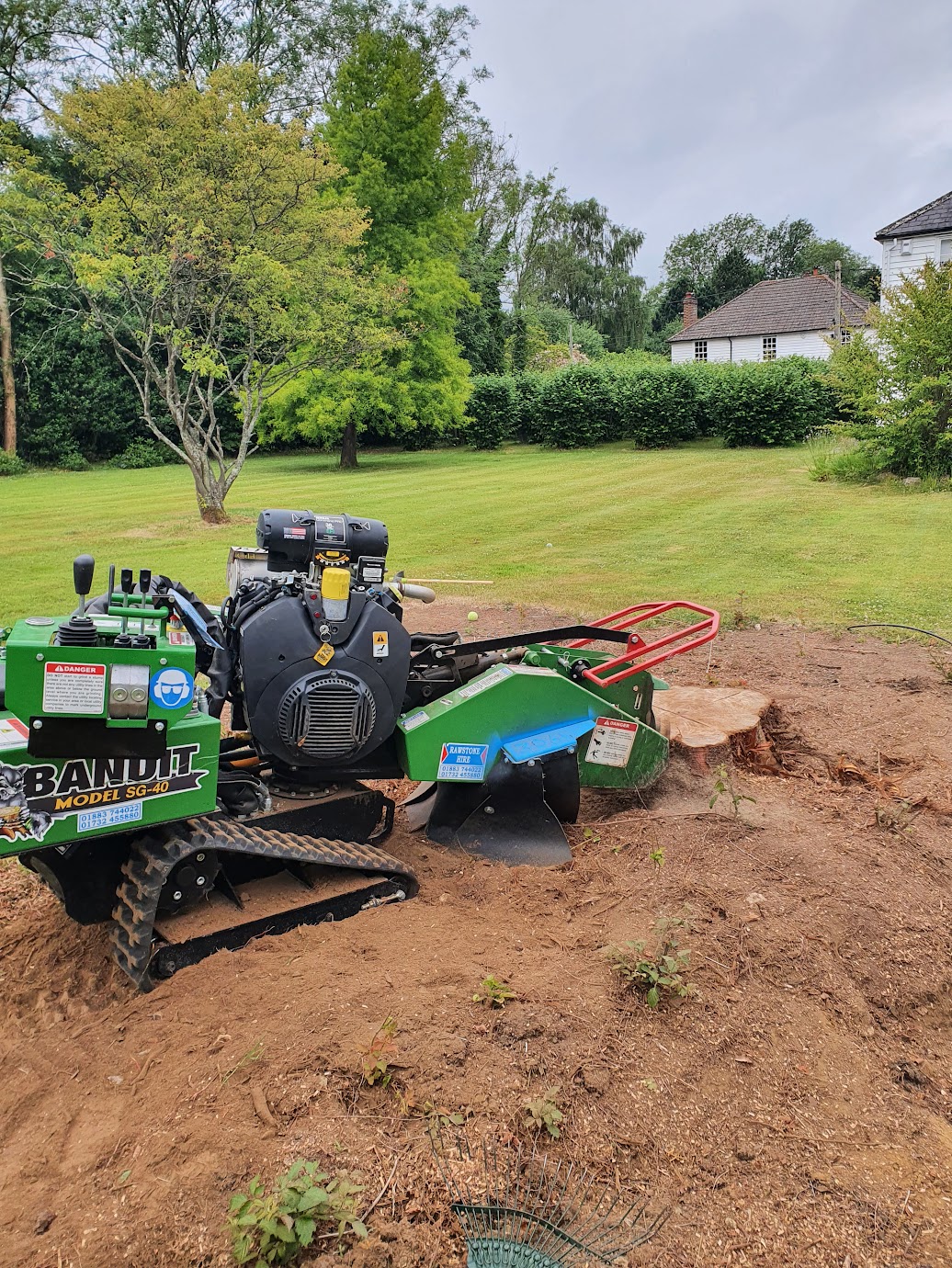
Complete removal below ground level — leaving a clean site ready for turf, landscaping or replanting.
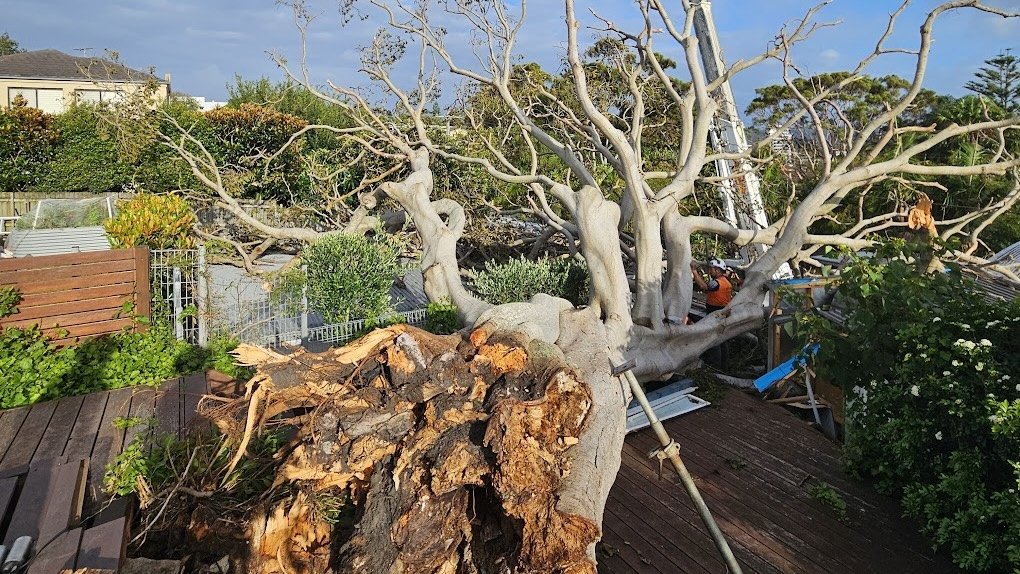
Fast response to storm damage, fallen trees and hazardous situations. Call us first.
Narrabeen's position between ocean and lagoon creates a distinctive and challenging environment for trees. Along the beachfront, Norfolk Island Pines (Araucaria heterophylla) are the dominant signature species — the tall, symmetrical silhouettes that define the Northern Beaches skyline. These trees are not native to Australia but have been planted in coastal areas for over a century and are now an iconic part of the landscape. They require specialist care; unlike most trees, the leading tip cannot be replaced once removed, and improper pruning causes irreversible damage. Casuarina equisetifolia (Coast She-oak) also tolerates the exposed, sandy, salt-affected conditions directly behind the dune line.
Moving back from the beachfront into the established residential streets, the tree palette broadens. Angophora costata (Sydney Red Gum) appears on the better-drained sandstone rises, while Melaleuca quinquenervia (Broad-leaved Paperbark) dominates the lagoon margins and lower, wetter ground. On larger residential blocks you'll find Eucalyptus saligna (Sydney Blue Gum) and various Banksia species. Exotic garden species — Cocos Palms, Canary Island Date Palms, Ficus varieties and coastal plantings — are common on the established residential properties throughout the suburb.
Before removing or significantly pruning a tree in Narrabeen, it is important to check whether Northern Beaches Council approval is required. Under the Council's Development Control Plan (DCP Part B13 — Tree and Vegetation Management), a permit is needed for any tree that is 5 metres or more in height, has a canopy spread of 5 metres or more, or has a trunk diameter of 30 cm or more at 1 metre above ground. Applications are lodged through Council's online planning portal.
Certain introduced and invasive species are exempt, but native species common in Narrabeen — including Angophora, Melaleuca, Casuarina and Eucalyptus — typically require approval. Penalties for unlawful removal can be significant. We can advise you on permit requirements and help you navigate the application process.
Don't take our word for it — here's what our customers have said.
"Alex did an amazing job and gave me a very fair price. The job was clean and quiet for gum tree removal. My best experience so far. Highly recommend. I have used his service twice already."
"Alex and his team were a pleasure to work with. Efficient, professional, clean, and competitively priced. Highly recommend!"
"Alex and his team did a great job cutting back some really high trees and I would definitely be using them again in the future."
Do I need a council permit to remove a tree in Narrabeen?
Yes, in most cases. Northern Beaches Council requires development consent before removing or significantly pruning any tree that is 5 metres or more in height, has a canopy spread of 5 metres or more, or a trunk diameter of 30 cm or more at 1 metre above ground. Native trees common in Narrabeen — including Angophora, Melaleuca, Casuarina and Norfolk Island Pines — typically require a permit. We check this at the quoting stage and advise on the process. See our Northern Beaches permit guide.
How do you prune a Norfolk Island Pine correctly?
Very carefully. Norfolk Island Pines have a central leader — a single dominant growing tip — that cannot be replaced if removed. Cut it and the tree permanently loses its natural form and becomes structurally vulnerable. Correct pruning removes only dead, damaged or crossing branches from the lower and mid canopy without touching the leader. We never top Norfolk Island Pines, and we'll tell you honestly if a tree is beyond safe management.
Can coastal winds and salt spray damage my trees in Narrabeen?
Yes. Persistent nor-easters and salt-laden winds cause leaf scorch, dieback on exposed branches and progressive structural weakening over time. Allocasuarina (coastal she-oak) and Banksia integrifolia handle it better than most, but even these need management on ocean-facing aspects. Sensitive ornamentals — Jacarandas, Liquidambars, ornamental figs — often need more active structural pruning to stay sound through Narrabeen's storm season.
How quickly can you respond to storm damage in Narrabeen?
Same day in most cases. We're based five minutes away in North Narrabeen and are typically one of the first on the ground after a storm event. Call 0452 030 077 — it goes directly to Alex, not a call centre.
Is the site visit and quote free?
Yes. We visit your property, assess the trees properly and give you a written quote at no charge — no obligation to proceed. We'd rather give you an accurate price in person than a rough number over the phone that changes on the day.
Based just five minutes away in North Narrabeen. Call us directly or send an enquiry and we'll visit your property, assess the trees and give you a clear, honest price.
0452 030 077