Serving North Narrabeen and the surrounding Northern Beaches — from our home suburb. Qualified, insured and genuinely local.
The Living Canopy is based right here in North Narrabeen. When you call us, you're not speaking to a call centre or a booking agent — you're speaking directly to Alex Price, the qualified arborist who will turn up, assess your trees and carry out the work. We know Ocean Street, Lake Park Road, the streets running back from Pittwater Road and the properties stretching down toward the Narrabeen Lagoon trail. We have worked on this peninsula for over a decade.
North Narrabeen sits at the northern tip of Narrabeen Lagoon, where the sandstone ridges drop down to one of Sydney's most beautiful stretches of still water. The lagoon environment shapes the tree species you'll find here more than almost anywhere else on the Northern Beaches. Properties backing onto the lagoon or its foreshore often have waterlogged or seasonally wet soil profiles, and the species that thrive in those conditions — particularly Melaleuca quinquenervia (Broad-leaved Paperbark) — are well established across the suburb. These paperbarks can grow into impressive specimens but they also self-seed prolifically, and many homeowners find them encroaching on structures and driveways. We understand how to manage them responsibly and when removal is genuinely warranted.
On the higher, better-drained sandstone soils away from the lagoon edge, the tree palette changes. Angophora costata (Sydney Red Gum) is a dominant species on established blocks, its smooth orange-pink trunk unmistakable. Banksias — particularly Banksia integrifolia and Banksia serrata — are common in the bushland fringe and on larger properties near Bilarong Reserve. Eucalyptus saligna (Sydney Blue Gum) can reach significant size on deeper soils and occasionally poses challenges when it outgrows its position near structures. We carry out proper hazard assessments for all of these species, working to retain trees wherever it is safe and practical to do so.
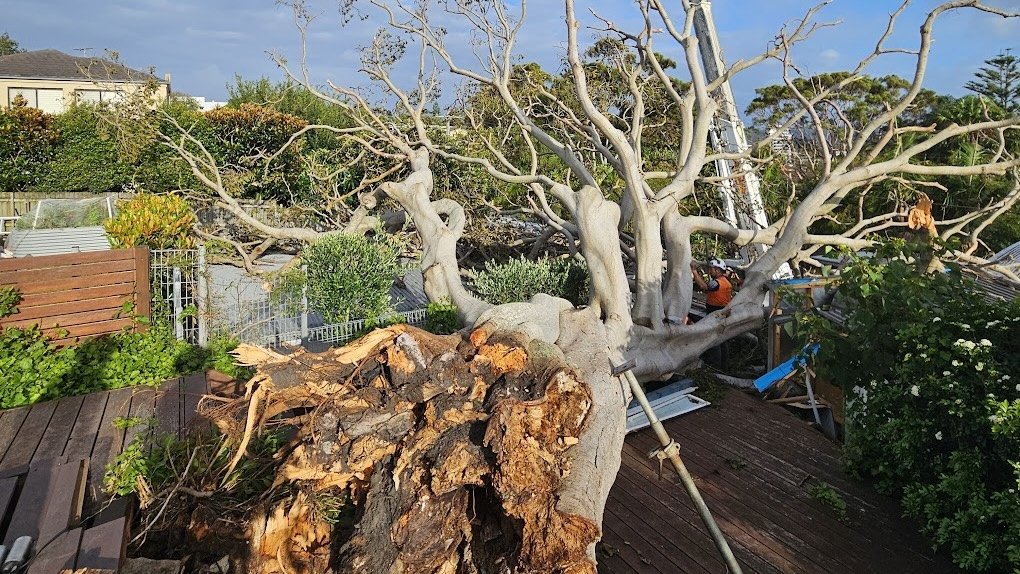
Living and working locally also means we respond fast when storms hit. East coast lows are a fact of life on the Northern Beaches, and North Narrabeen — open to the ocean and adjacent to the lagoon — can take a battering. We offer same-day emergency response for storm-damaged trees, fallen limbs and hazardous situations. Our number is answered directly, day or night, in an emergency.
Every tree service you need, carried out by a qualified arborist based right here in the suburb.
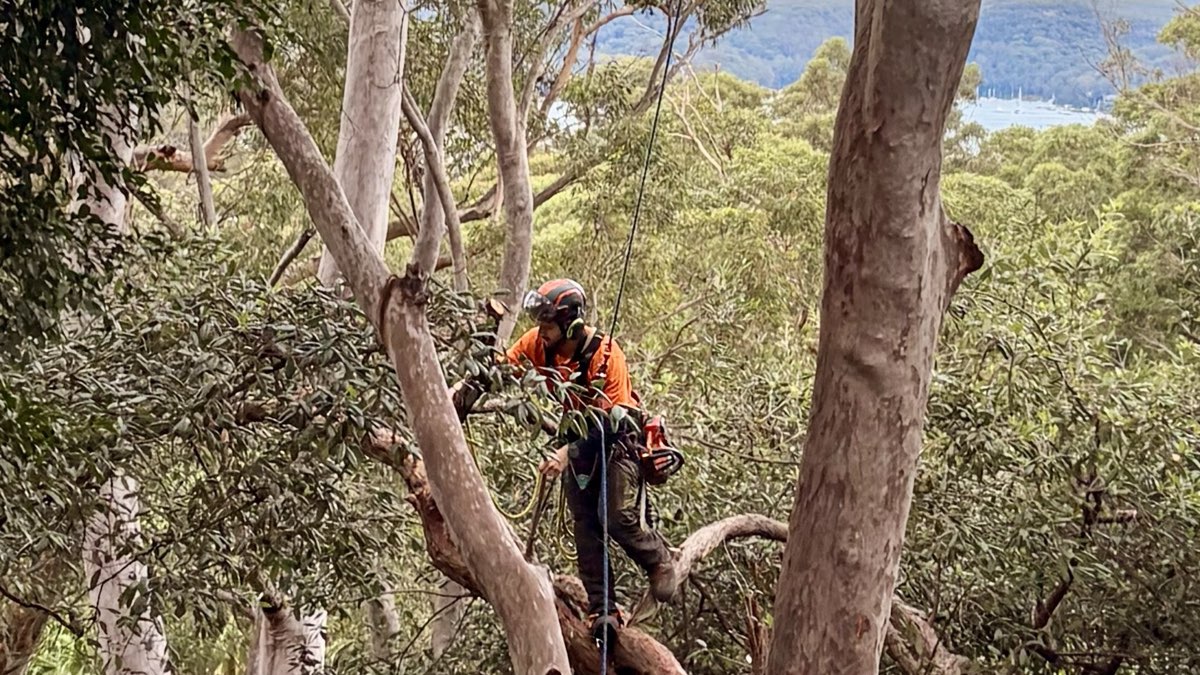
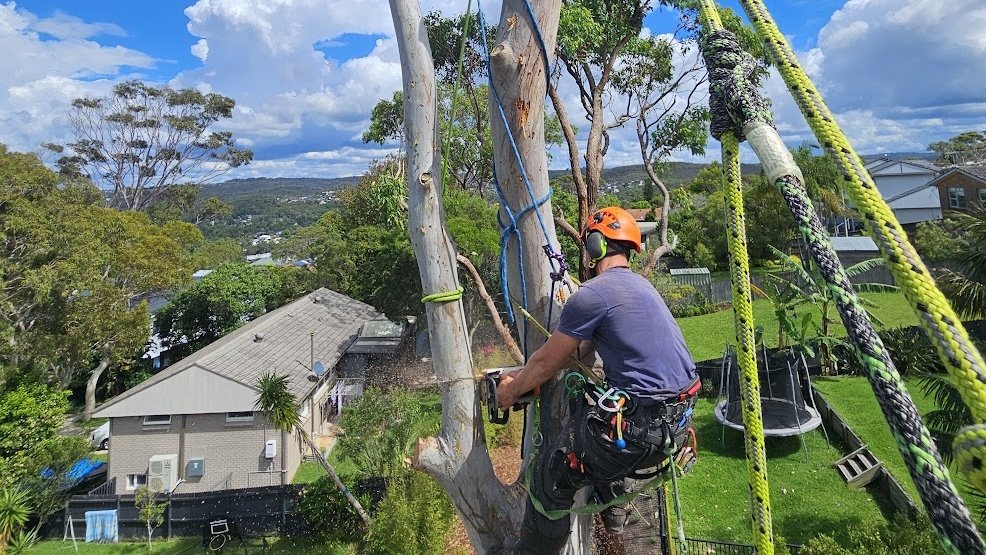
Safe, efficient removal of trees of all sizes — including technical rigging, sectional dismantling and crane-assisted work.
Crown reduction, deadwooding, formative pruning and clearance work — all to AS 4373-2007 standard on every job.
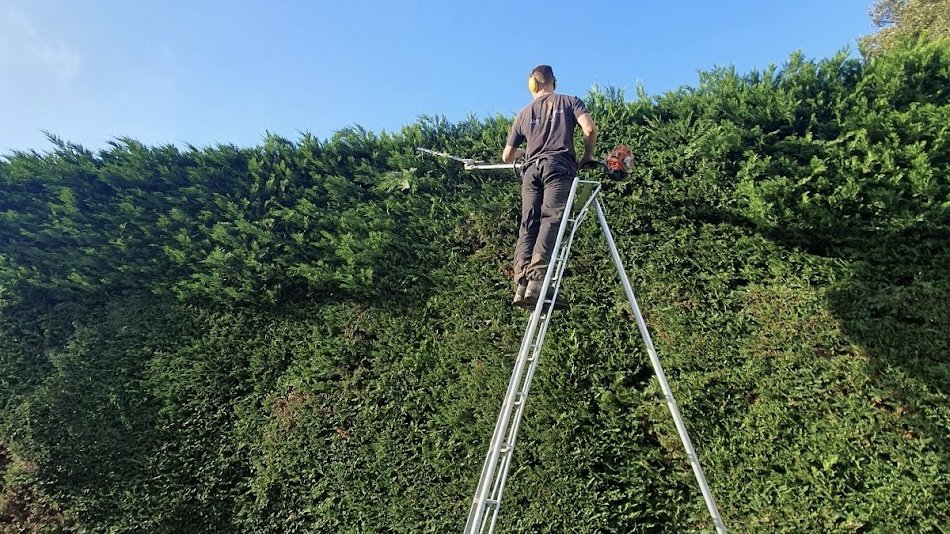
Neat, precise trimming for all hedge types. We remove all clippings and leave a clean finish every time.
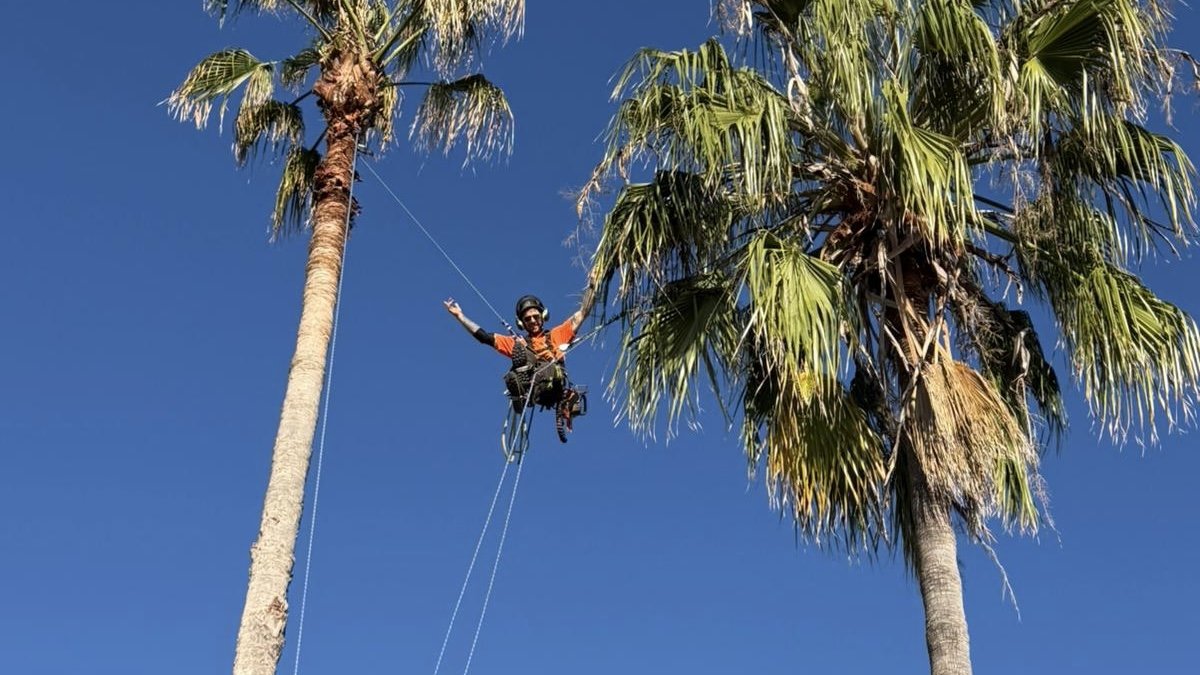
Dead frond removal, seed pod and flower stalk removal — keeping your palms healthy, safe and tidy.
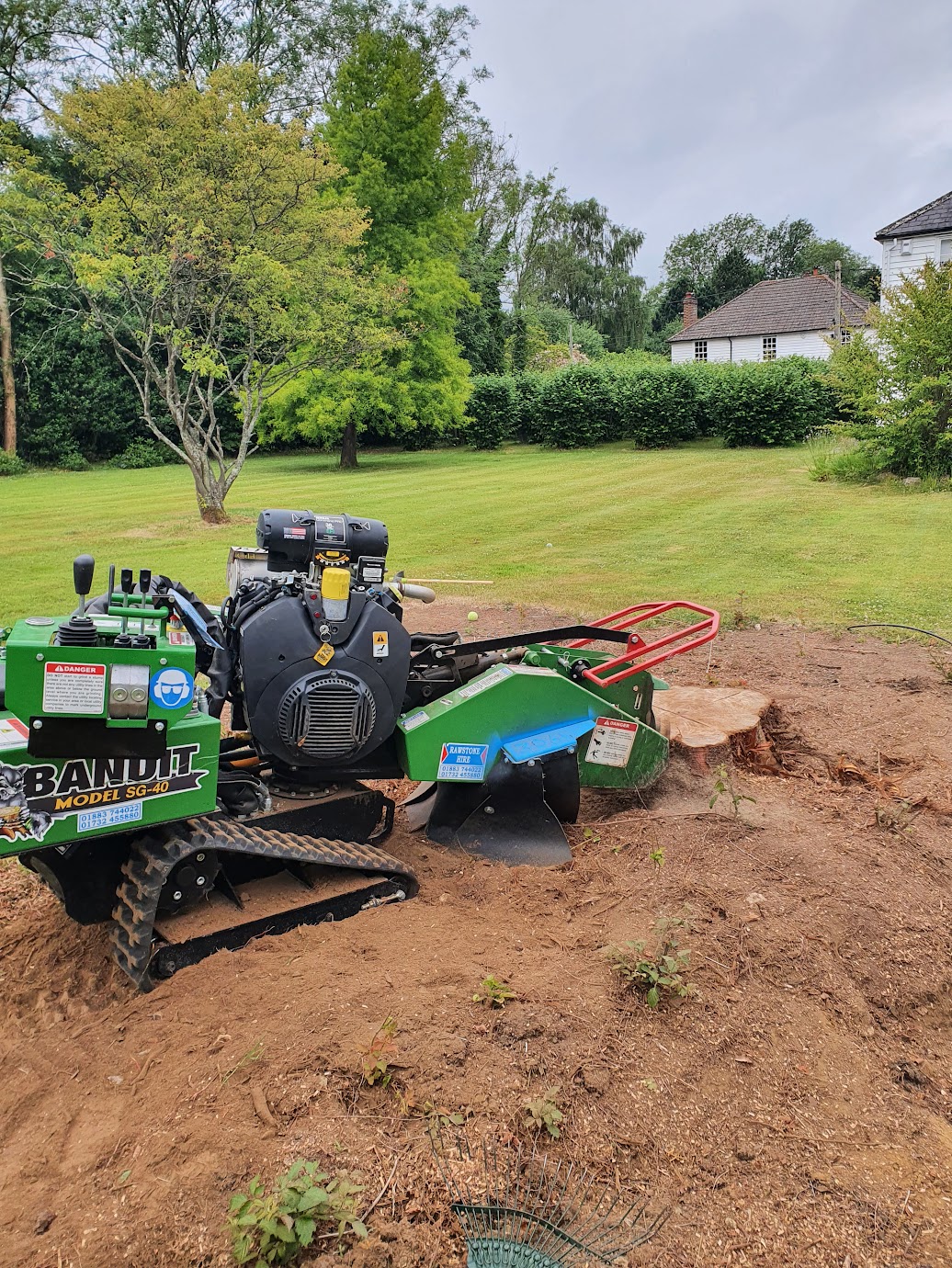
Complete removal below ground level — leaving a clean site ready for turf, landscaping or replanting.
Fast response to storm damage, fallen trees and hazardous situations. Call us first.
North Narrabeen's vegetation reflects the meeting of two distinct environments: the free-draining sandstone ridges and the waterlogged margins of Narrabeen Lagoon. On well-drained soils you'll find Angophora costata (Sydney Red Gum) as a dominant canopy species — its smooth, sculptural trunk is a defining feature of the Northern Beaches landscape. Banksia serrata and Banksia integrifolia are common understorey and mid-storey trees, particularly in the bushland fringes near Bilarong Reserve. Eucalyptus saligna (Sydney Blue Gum) appears on deeper soils and can reach substantial size on established residential blocks.
Closer to the lagoon, Melaleuca quinquenervia (Broad-leaved Paperbark) dominates. These trees are well-adapted to periodic inundation and their spongy, layered bark makes them visually distinctive. They can, however, become problematic when self-seeded into drainage lines, near foundations or in confined spaces. We assess paperbark trees carefully — many require only crown management rather than removal — and can advise on the best approach for your specific situation. Casuarina glauca (Swamp Oak) also occurs along the lagoon margins, forming a characteristic fringe. On residential blocks, you'll also encounter exotic ornamentals including Cocos Palms and a range of garden species introduced over decades of residential development.
Northern Beaches Council requires development consent under their Development Control Plan (DCP Part B13 — Tree and Vegetation Management) before removing or significantly pruning any tree that meets one or more of the following thresholds: 5 metres or more in height, a canopy spread of 5 metres or more, or a trunk diameter of 30 cm or more measured at 1 metre above ground level. Applications are submitted through Council's online portal.
A number of introduced and invasive species are exempt from permit requirements, but the vast majority of native trees in North Narrabeen — including Angophora costata, Banksias, Melaleucas and Eucalyptus species — will require approval before any significant work is carried out. Penalties for unauthorised tree removal are substantial. As your local arborist, we can assess your trees, advise whether a permit is required and assist with the application process.
Don't take our word for it — here's what our customers have said.
"We found Alex and his team very friendly and helpful. They provided a professional service and we are very pleased with their work. We will definitely use them again."
"Amazing level of service. Polite, efficient, knowledgeable, professional and exceedingly hardworking. Lovely guys. Would not hesitate to use again and will definitely recommend to others."
"Fantastic job! They turned up on time, worked fast, tidied up and did a great job all round. These guys will be my go-to now to keep the trees and hedges in order. I HIGHLY recommend."
Do I need a council permit to remove a tree in North Narrabeen?
Yes, in most cases. Northern Beaches Council requires development consent before removing or significantly pruning any tree that is 5 metres or more in height, has a canopy spread of 5 metres or more, or a trunk diameter of 30 cm or more at 1 metre above ground. Most established trees in North Narrabeen — including Angophoras, Melaleucas, Banksias and Eucalypts — will meet these thresholds. We assess this at the quoting stage and can advise on the application process. See our full Northern Beaches permit guide.
Can you work on trees near Narrabeen Lagoon?
Yes. We regularly work on properties backing onto the lagoon foreshore and in the waterlogged margins of the lagoon environment. Melaleuca quinquenervia (Broad-leaved Paperbark) and Casuarina glauca (Swamp Oak) are common here and require assessment before any work — particularly if roots extend near waterways. We're familiar with both species and the permit sensitivities that apply near environmentally sensitive areas.
How quickly can you respond to storm damage in North Narrabeen?
Fast. We're based here in North Narrabeen, so we're typically one of the first responders when an east coast low comes through. We offer same-day emergency response for fallen trees, fractured limbs and trees leaning on structures or fences. Call 0452 030 077 directly — it goes straight to Alex, not a call centre.
Is the site visit and quote free?
Yes. We come to your property, look at the job properly and give you a written quote — there's no charge for the visit and no obligation to proceed. We'd rather give you an accurate price in person than throw a rough number over the phone.
What native trees are most common in North Narrabeen?
North Narrabeen has two distinct tree environments shaped by its position at the tip of the lagoon. On well-drained sandstone soils, Angophora costata (Sydney Red Gum) is dominant, with Banksia serrata and Banksia integrifolia in the understorey near Bilarong Reserve. On the lagoon margins and lower, wetter ground, Melaleuca quinquenervia (Broad-leaved Paperbark) dominates, along with Casuarina glauca (Swamp Oak). Eucalyptus saligna (Sydney Blue Gum) can reach significant size on deeper soils and occasionally poses challenges when it outgrows its position near structures.
Can you advise whether my tree is genuinely dangerous or just needs pruning?
Yes — and we'll give you an honest answer either way. A lot of trees that look concerning can be managed effectively with crown reduction, deadwooding or structural pruning. We assess every tree properly at the site visit and tell you what it actually needs — not what generates the most work for us. If a tree is genuinely dangerous, we'll say so clearly and explain why.
We're based right here in North Narrabeen. Call us directly or send an enquiry and we'll come to you, assess the job and give you a clear, honest price.
0452 030 077