Serving Frenchs Forest's established large-block properties — from routine maintenance to complex removals near the national park boundary.
Frenchs Forest is a well-established Northern Beaches suburb with some of the most generous residential blocks on the peninsula. The main residential streets — Forest Way, Frenchs Forest Road, Warringah Road, Jubilee Avenue and Allambie Road — are lined with mature trees, and the larger properties often have established gardens with trees that have grown substantially since the suburb developed from the 1960s onwards. This is not a suburb where tree management is simple — these are big, mature trees that require experienced assessment and properly planned removal or pruning work.
The Frenchs Forest area is undergoing significant change. The former Defence site — a large parcel of land in the heart of the suburb — is being redeveloped into a major residential and mixed-use precinct. This development activity has brought construction traffic and site preparation to an area that was previously low-density bushland. Trees adjacent to construction sites require careful monitoring — root zone compaction from machinery, chemical spills and site disturbance can all compromise tree health and structural integrity in ways that may not become apparent for several years. We provide pre-construction arboricultural impact assessments per AS 4970-2009 for development applications, and can advise on tree protection measures during construction.
Garigal National Park forms the north and north-east boundary of Frenchs Forest. The same considerations that apply in Belrose — regarding Crown Land trees and the need for separate NPWS approval — apply to park-boundary properties in Frenchs Forest. We always identify and flag tree ownership issues as part of our site assessment process.
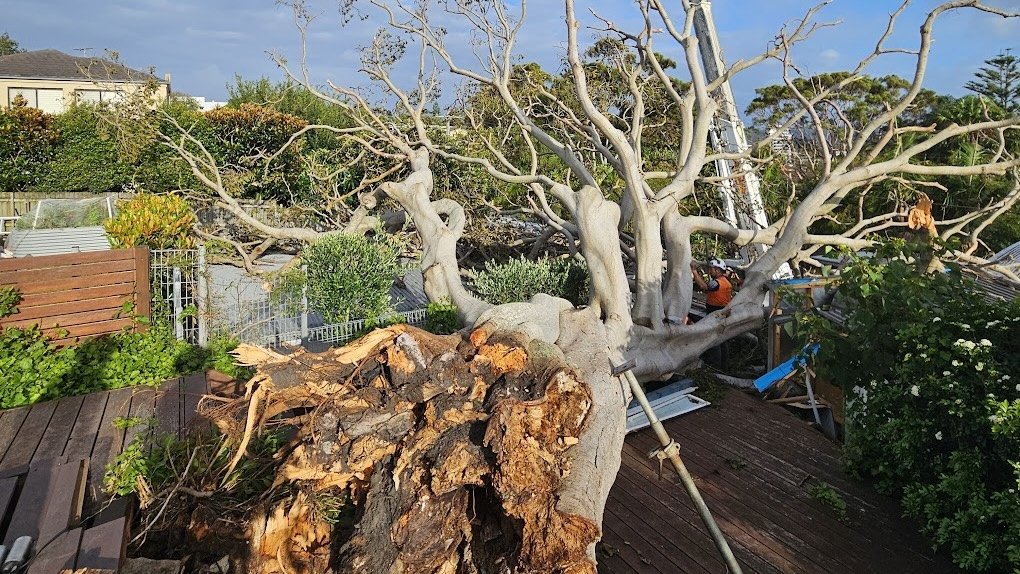
Emergency tree work is a regular requirement in Frenchs Forest after significant weather events. The larger established trees on the residential blocks can suffer significant damage in strong nor-easters and east coast lows. We respond fast and prioritise safety first on every emergency call.
Residential and commercial tree services — all by a qualified, insured arborist who knows the Frenchs Forest landscape.

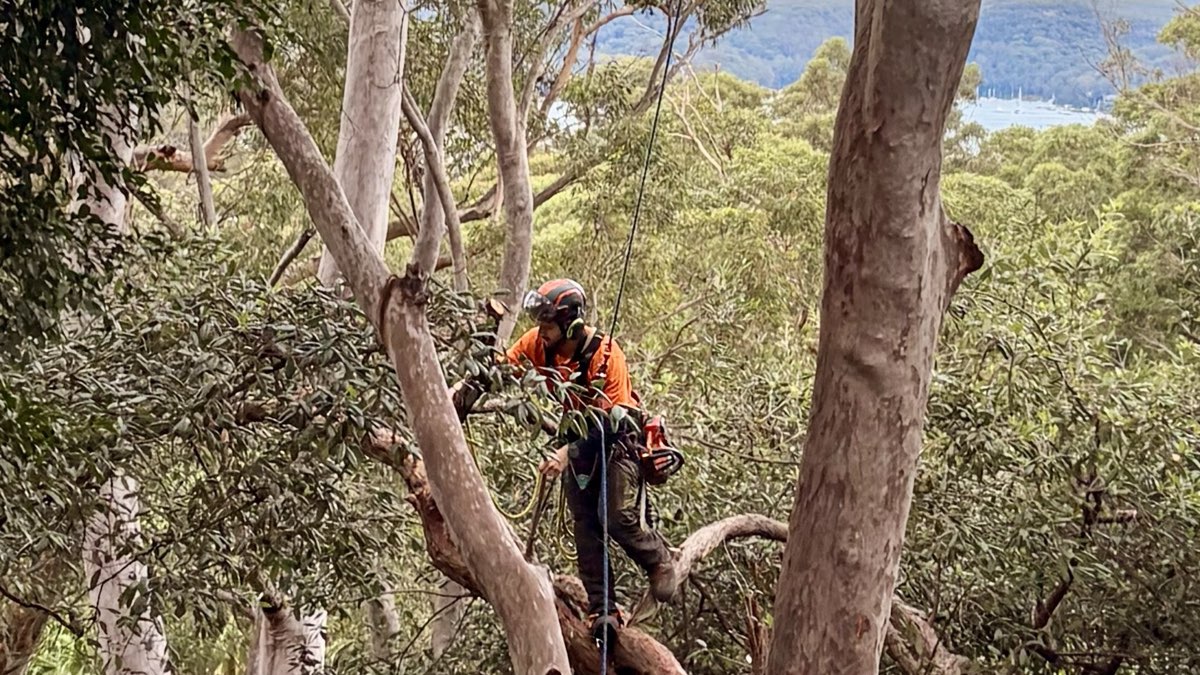
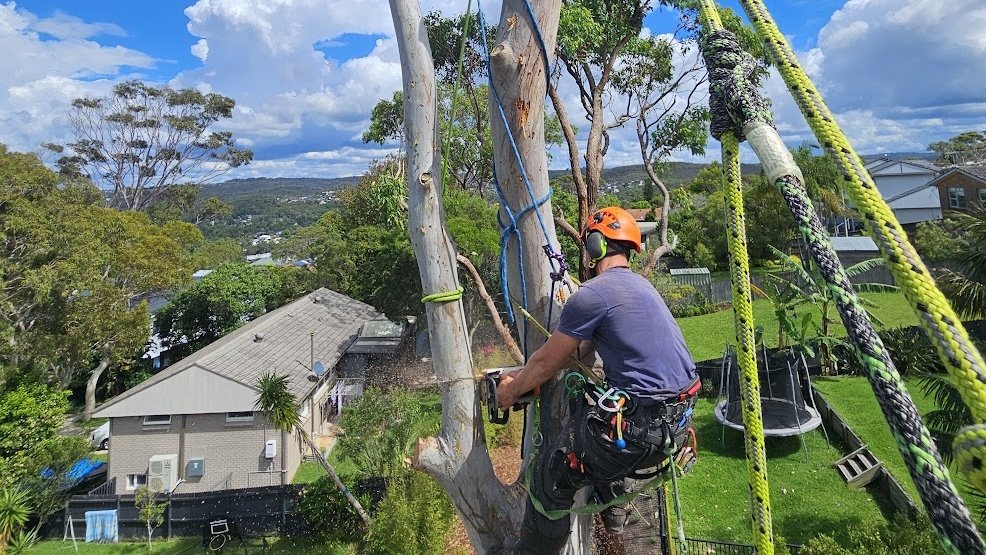
Safe, efficient removal of trees of all sizes — including technical rigging, sectional dismantling and crane-assisted work.

Crown reduction, deadwooding, formative pruning and clearance work — all to AS 4373-2007 standard on every job.

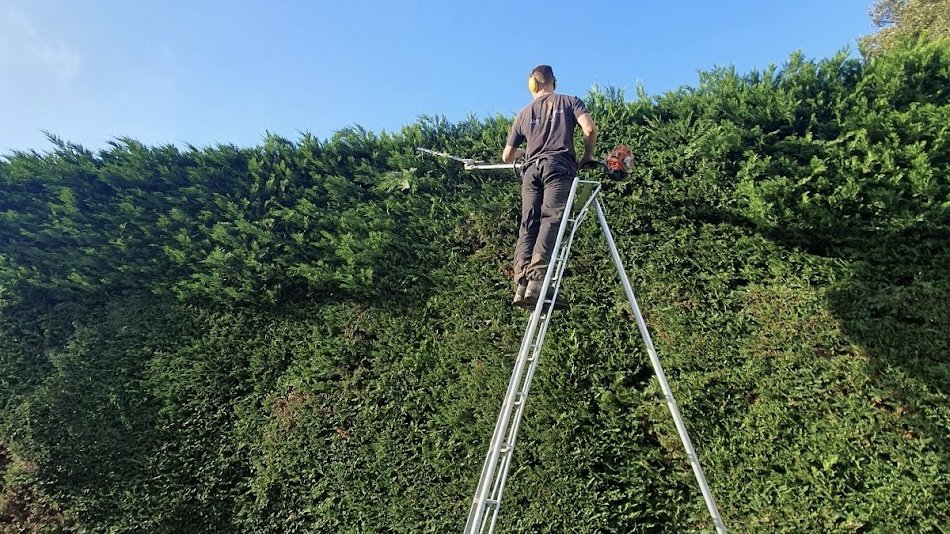
Neat, precise trimming for all hedge types. We remove all clippings and leave a clean finish every time.

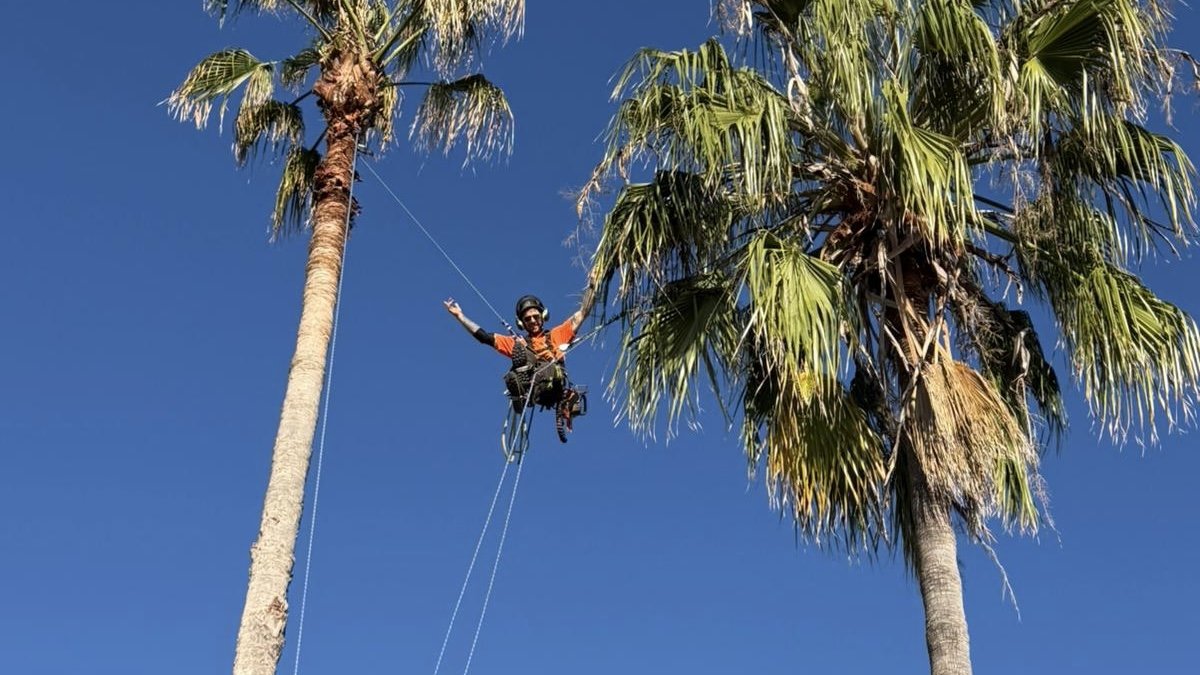
Dead frond removal, seed pod and flower stalk removal — keeping your palms healthy, safe and tidy.

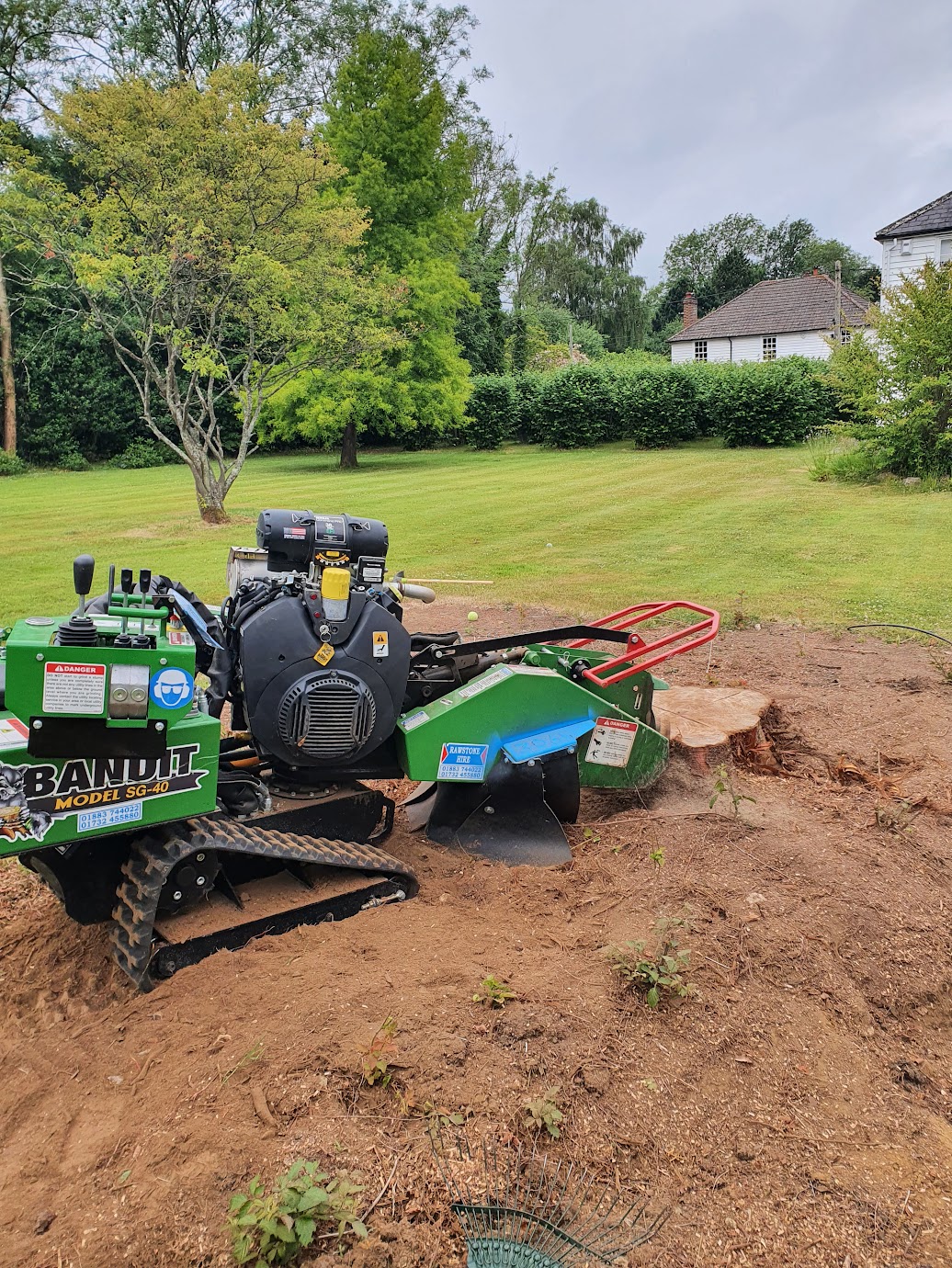
Complete removal below ground level — leaving a clean site ready for turf, landscaping or replanting.

Fast response to storm damage, fallen trees and hazardous situations. Call us first.
The larger residential blocks in Frenchs Forest support a diverse mix of native and garden trees. Eucalyptus microcorys (Tallowwood) and Eucalyptus pilularis (Blackbutt) are the dominant native canopy species on deeper soils, joined by Angophora costata (Sydney Red Gum) on the sandstone ridges. Eucalyptus punctata (Grey Gum) is also present, particularly on the steeper, shallower soil profiles. Syncarpia glomulifera (Sydney Turpentine) occurs on some of the wetter, more sheltered slopes and is a significant species worth identifying and retaining where possible.
Frenchs Forest's established gardens include a wide range of mature ornamental and garden trees planted over the decades since the suburb developed. Jacarandas, Liquid Ambars, ornamental figs and various exotic canopy trees are common. These trees have their own aesthetic and monetary value — a well-managed mature garden tree can add significantly to property value, while poor or inappropriate management can permanently disfigure specimens that took decades to reach their current form.
Northern Beaches Council's DCP Part B13 applies across Frenchs Forest. Any tree that is 5 metres or more in height, has a canopy spread of 5 metres or more, or has a trunk diameter of 30cm or more at 1m above ground requires development consent before removal or significant pruning. Council's online DA portal is used for all tree permit applications.
For properties backing onto Garigal National Park: Crown Land trees require NSW National Parks and Wildlife Service approval, not a Council permit. For development sites: an Arboricultural Impact Assessment (AIA) under AS 4970-2009 is typically required as part of any development application involving tree removal or works within the tree protection zone of significant trees. We can provide these reports. Call us to discuss your specific situation.
"We found Alex and his team very friendly and helpful. They provided a professional service and we are very pleased with their work. We will definitely use them again."
"Amazing level of service. Polite, efficient, knowledgeable, professional and exceedingly hardworking. Lovely guys. Would not hesitate to use again and will definitely recommend to others."
"Fantastic job! They turned up on time, worked fast, tidied up and did a great job all round. These guys will be my go-to now. I HIGHLY recommend."
Do I need a council permit to remove a tree in Frenchs Forest?
Yes, in most cases. Northern Beaches Council requires development consent before removing or significantly pruning any tree that is 5 metres or more in height, has a canopy spread of 5 metres or more, or has a trunk diameter of 30 cm or more at 1 metre above ground. The large established Tallowwood, Blackbutt, Angophora and Turpentine trees common in Frenchs Forest almost always exceed these thresholds. We assess permit requirements at the quoting stage. See our Northern Beaches permit guide.
My property backs onto Garigal National Park — can I clear trees near the boundary?
Trees within Garigal National Park are Crown Land managed by NSW National Parks and Wildlife Service (NPWS) — they require NPWS approval, not a Council permit. On your own property at the park boundary, normal Northern Beaches Council permit rules apply. We always identify and flag tree ownership issues as part of our site assessment — this is a common issue on Frenchs Forest park-boundary blocks.
I have a development application and need an arborist impact assessment — can you help?
Yes. For DAs involving tree removal or works within tree protection zones, an Arboricultural Impact Assessment (AIA) under AS 4970-2009 is typically required by Northern Beaches Council. We can provide these reports. The AIA identifies significant trees on and adjacent to the site, assesses their health and structural condition, defines tree protection zones and recommends management measures during construction. Call us to discuss what your DA requires.
How do I know if a large tree on my property is becoming dangerous?
Key signs to watch for: dead branches or crown dieback, fungal fruiting bodies (bracket fungi) at the base or on major limbs, cracks or splits in the trunk or major branches, hollow sections when probed, significant lean that has increased, and root plate heaving or soil cracking near the base. Large Tallowwood and Eucalyptus in Frenchs Forest can reach 25-30 metres — the consequences of failure are serious. Call us for an assessment and we'll give you an honest, professional opinion.
Is the site visit and quote free?
Yes. We visit your property, assess the trees and provide a written quote at no charge — no obligation to proceed. For development applications, we can also discuss the scope and cost of an arborist report at the same visit.
Big blocks, mature trees or development sites — we assess every job properly and give you a clear, honest price.
0452 030 077