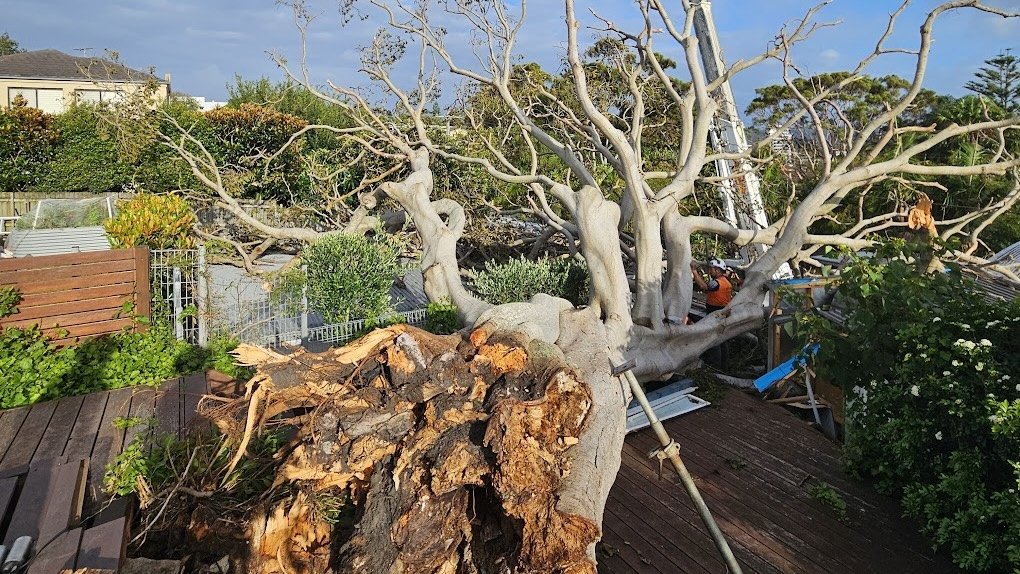
Serving Belrose's established large-block properties — adjacent to Garigal National Park and requiring an arborist who understands the landscape.
Belrose is an established Northern Beaches suburb with wide residential streets and large blocks that retain significant tree canopy. Running along Ralston Avenue, Forest Way, Warringah Road and Porters Lane, the suburb developed largely in the 1960s–80s and many of its trees — whether native or planted garden species — are now reaching mature size after several decades of growth. Garigal National Park borders the suburb to the west, giving Belrose its bush setting and its bushfire risk.
The proximity to Garigal National Park creates real considerations for tree management in Belrose. Properties backing onto the park boundary often have large trees originating from Crown Land — and it is critical to understand that park trees cannot be pruned or removed without specific approval from NSW National Parks and Wildlife Service (NPWS). This is separate from and in addition to any Northern Beaches Council permit. We see cases where homeowners unknowingly carry out work on park trees — the consequences can be severe. We identify tree ownership as part of every site assessment and advise accordingly.
Many trees in Belrose are now large and mature — in the 40–60 year age range — and some are beginning to show signs of structural change associated with aging. Proactive tree risk assessment using recognised frameworks (such as the Quantified Tree Risk Assessment or QTRA methodology) is a worthwhile investment for large trees near buildings, especially where failure could cause significant damage. We provide risk assessments and can advise on appropriate management to extend the safe life of mature trees where possible.
Bushfire attack level (BAL) categories in the western sections of Belrose range from BAL-12.5 to BAL-29 depending on proximity to the park boundary. Asset Protection Zone maintenance may be relevant for some properties here and we can advise on requirements.
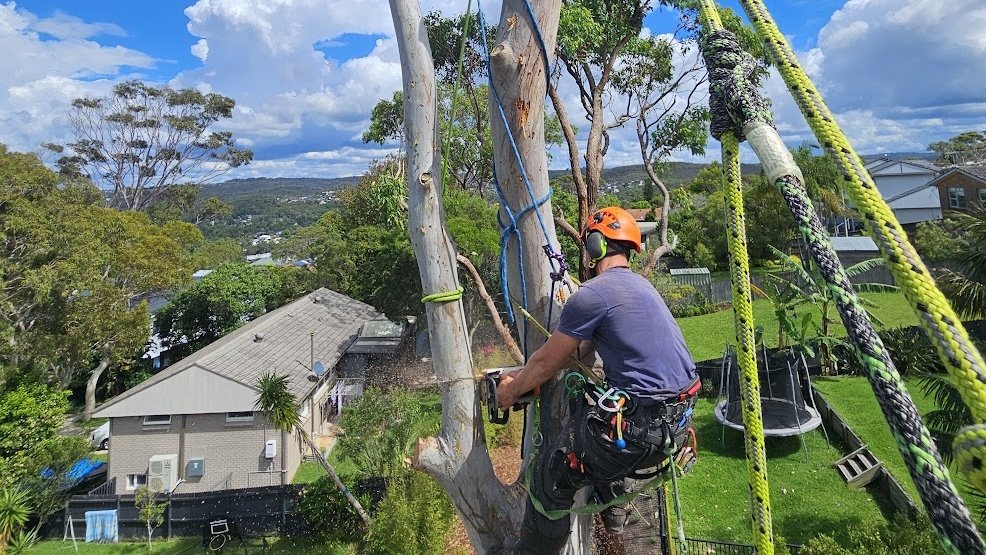
Every service, carried out properly by a qualified arborist who knows the Belrose landscape.

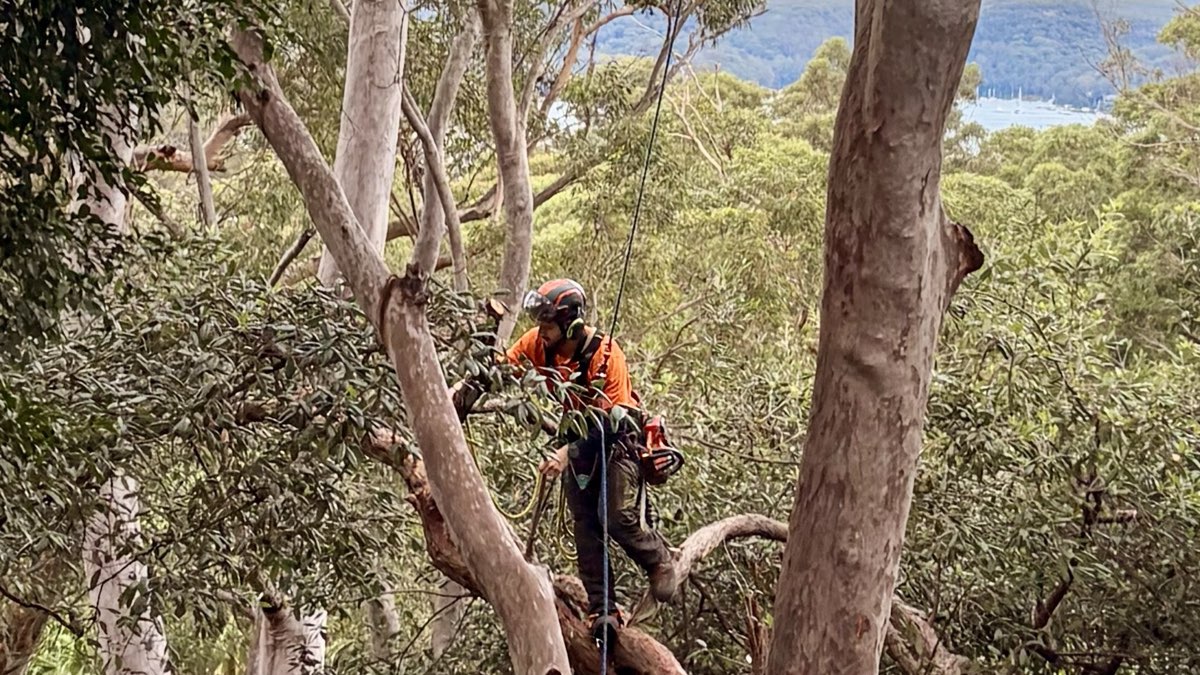
Safe, efficient removal of trees of all sizes — including technical rigging, sectional dismantling and crane-assisted work.

Crown reduction, deadwooding, formative pruning and clearance work — all to AS 4373-2007 standard on every job.

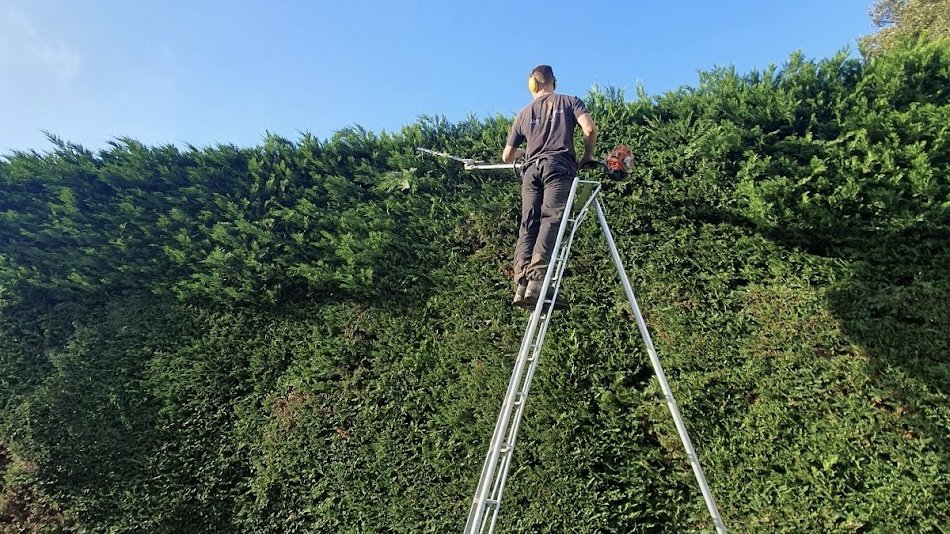
Neat, precise trimming for all hedge types. We remove all clippings and leave a clean finish every time.

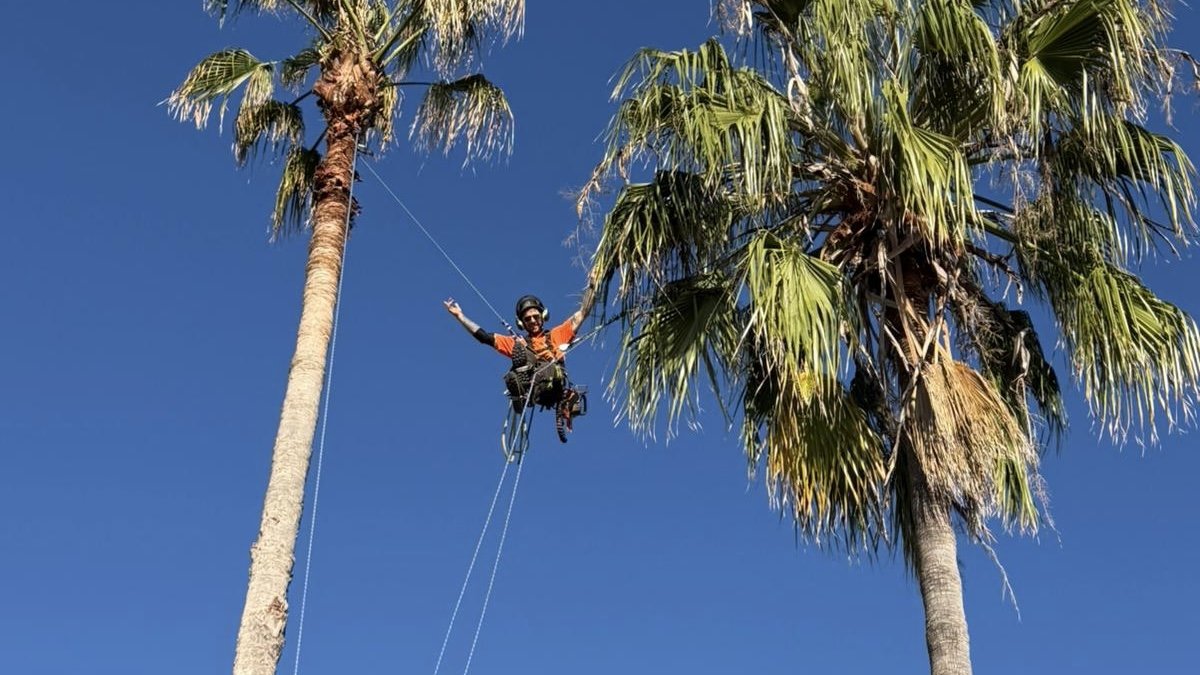
Dead frond removal, seed pod and flower stalk removal — keeping your palms healthy, safe and tidy.

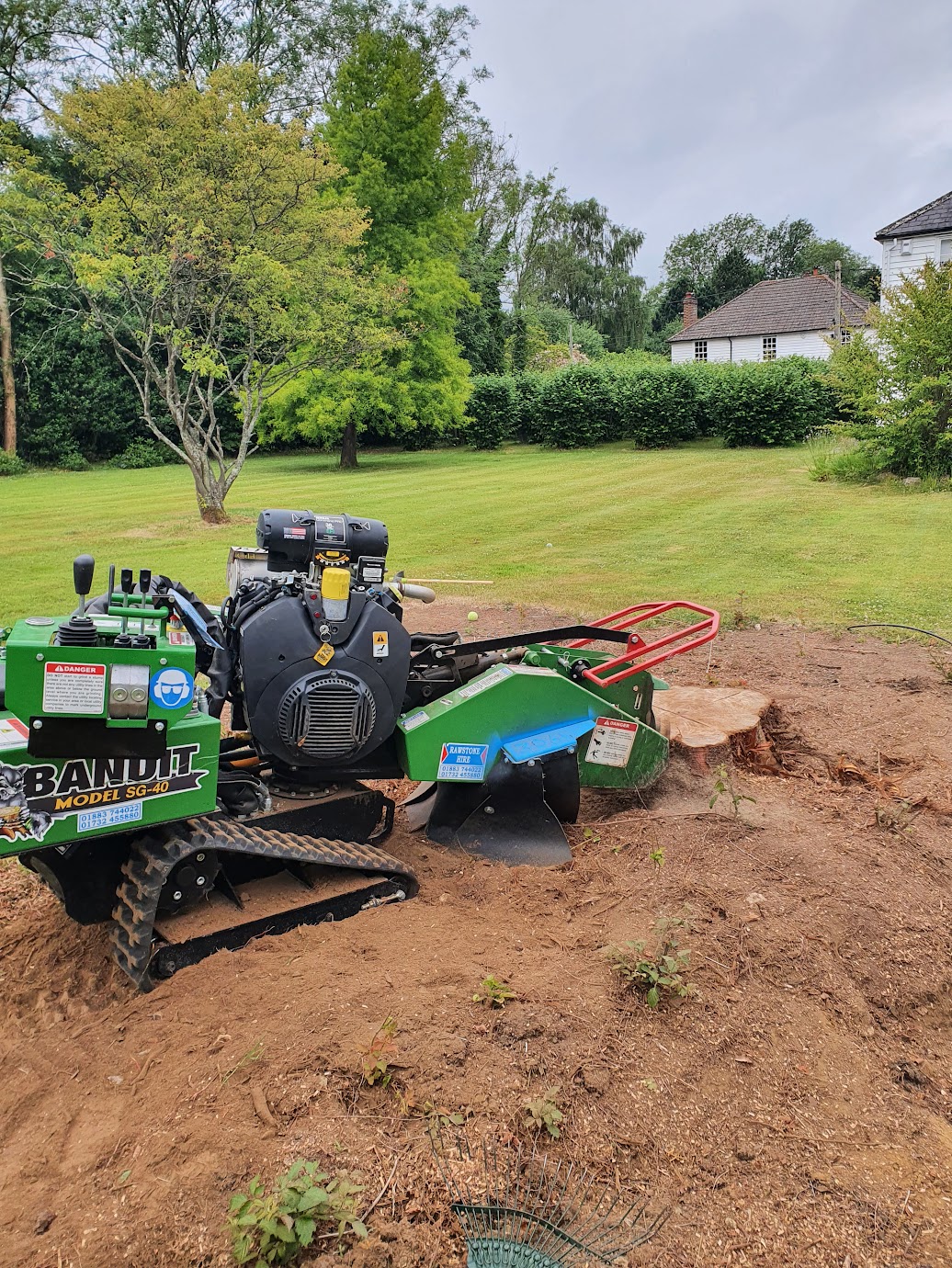
Complete removal below ground level — leaving a clean site ready for turf, landscaping or replanting.

Fast response to storm damage, fallen trees and hazardous situations. Call us first.
Belrose's sandstone soils support a characteristic Sydney Basin woodland. Sydney Turpentine (Syncarpia glomulifera) is a prominent species in Belrose — a large, long-lived hardwood that develops a thick, spongy, furrowed bark. Turpentines are significant trees; they are also associated with the Turpentine-Ironbark Forest ecological community further south. Eucalyptus pilularis (Blackbutt) and Angophora costata (Sydney Red Gum) are common on the larger residential blocks, with the Angophoras particularly striking on the sandstone ridgelines where their smooth pink bark contrasts with the dark foliage. Casuarina species occur along drainage lines and in the lower areas.
In Belrose's established gardens, a mix of native and introduced species is common. Mature garden trees — including ornamental figs, ornamental cherries, Japanese maples and Liquidambars — are found alongside the natives. These garden trees have their own management requirements and some exotic species can become invasive if not managed; we assess all species and advise accordingly.
NBC's DCP Part B13 requires development consent for the removal or significant pruning of any tree that is 5 metres or more in height, has a canopy spread of 5 metres or more, or has a trunk diameter of 30cm or more at 1m above ground. In Belrose, this captures the majority of significant garden and native trees on residential properties. Applications are made online through Council's development portal.
Important for Belrose properties backing onto Garigal National Park: trees on the park side of the boundary are on Crown Land and are managed by NSW National Parks and Wildlife Service. Any pruning or removal of these trees requires a separate NPWS consent — not a Council permit. Obtaining the correct approval is essential. We can help you identify which trees are on your land and which are Crown Land trees, and advise on the appropriate application pathway.
Don't take our word for it — here's what our customers have said.
"We found Alex and his team very friendly and helpful. They provided a professional service and we are very pleased with their work. We will definitely use them again."
"Amazing level of service. Polite, efficient, knowledgeable, professional and exceedingly hardworking. Lovely guys. Would not hesitate to use again and will definitely recommend to others."
"Fantastic job! They turned up on time, worked fast, tidied up and did a great job all round. These guys will be my go-to now. I HIGHLY recommend."
Do I need a permit to remove a tree in Belrose?
Most trees in Belrose fall under Northern Beaches Council DCP Part B13. Any tree 5 metres or taller, with a trunk diameter over 30 cm at 1 metre height, or a canopy spread of 5 metres or more requires development consent before removal or significant pruning. Exempt species and trees within 3 metres of an approved structure may not need a permit. We check permit requirements at every quote. See our Northern Beaches tree permit guide for more detail.
How much does tree removal cost in Belrose?
Tree removal in Belrose typically ranges from $400 for a small tree to $3,500+ for large complex jobs. Price depends on tree size, species, site access and proximity to structures or power lines. All quotes are free — we visit your property, assess the job and give you a written price with no obligation. See our 2026 cost guide for typical price ranges.
How quickly can you get to Belrose for urgent work?
For genuine emergencies — storm damage, fallen trees, or trees posing an immediate risk to life or property — we respond the same day. We're based in North Narrabeen, so we're typically on-site across the Northern Beaches within the hour. For standard jobs we aim to quote within 48 hours and book work within 1–2 weeks.
Are your quotes really free in Belrose?
Yes — completely free, with no obligation. Alex visits your property in person, assesses the trees and gives you a clear written price. There is no charge for the site visit, no hidden call-out fee, and no pressure to book.
Large trees, park boundaries, mature specimens — we'll assess the situation and give you a clear, honest recommendation.
0452 030 077