Serving Ingleside's acreage and rural properties — qualified arborist with real experience in bushfire-prone zones and large-scale tree management.
Ingleside is one of the most rural-feeling suburbs on the Northern Beaches, sitting along Mona Vale Road, Ingleside Road, Powder Works Road and Bandon Road. Properties here range from large residential blocks to genuine acreage — some running to several hectares of mixed native bushland and paddock. It's a long way from the dense suburban streets closer to the coast, and tree management here demands a different approach: larger equipment, longer site access routes, and a genuine understanding of the ecology.
Ingleside has some of the highest bushfire attack levels on the Northern Beaches. Many properties sit in BAL-29, BAL-40 or even BAL-FZ (Flame Zone) categories under the Australian Standard AS 3959. The Rural Fire Service recommends that homeowners in these zones maintain adequate Asset Protection Zones (APZs) around their buildings — and that means ongoing vegetation management, not just a one-off clearance. We work with landowners to develop practical APZ maintenance programs that meet RFS requirements while preserving as much native vegetation as possible where it is safe to do so.
The vegetation in Ingleside is among the most significant in the Northern Beaches area. Parts of the suburb sit at the edge of the Duffys Forest Ecological Community — a threatened ecological community listed under the NSW Biodiversity Conservation Act. Adjacent to Ku-ring-gai Chase National Park, the area supports intact Eucalyptus woodland, Banksia scrub and associated native understorey that has largely survived the pressures of suburban encroachment. We approach this vegetation with the care and knowledge it deserves.
Access to some Ingleside properties is a genuine challenge. Narrow unsealed tracks, steep grades and locked gates are common. We assess access requirements before every job and bring the right equipment rather than making do — the difference between a safe, efficient job and a frustrating one often comes down to that initial site assessment.
From routine maintenance to large-scale rural clearance — all carried out safely by a qualified arborist.

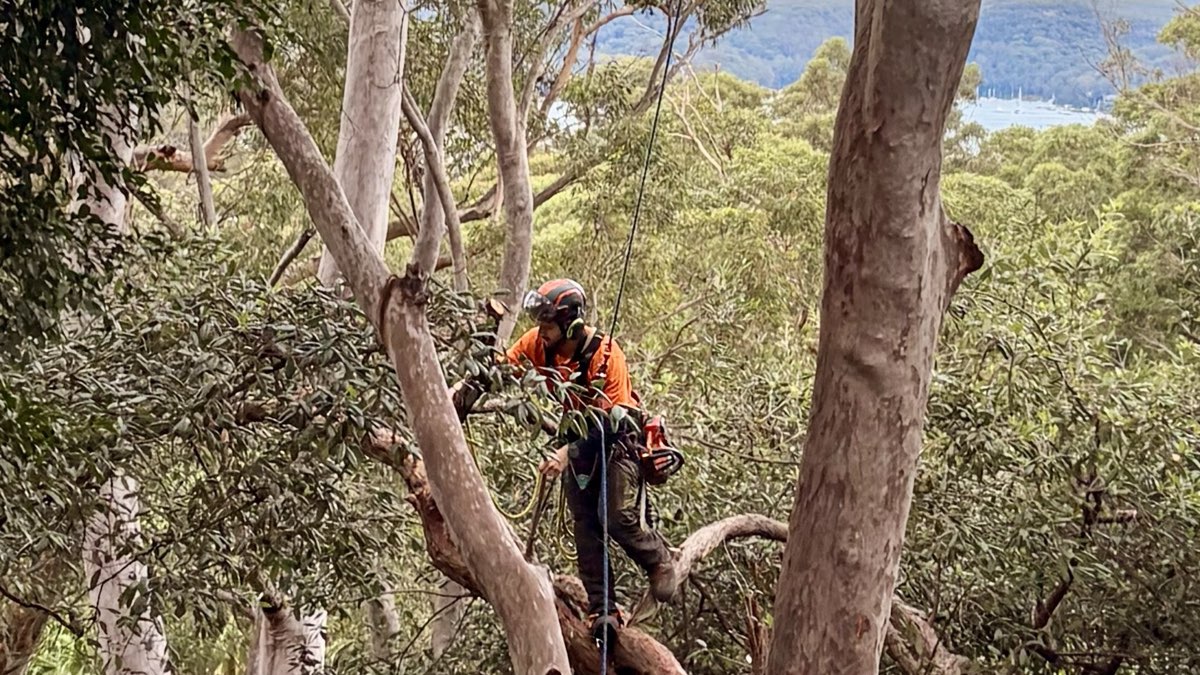
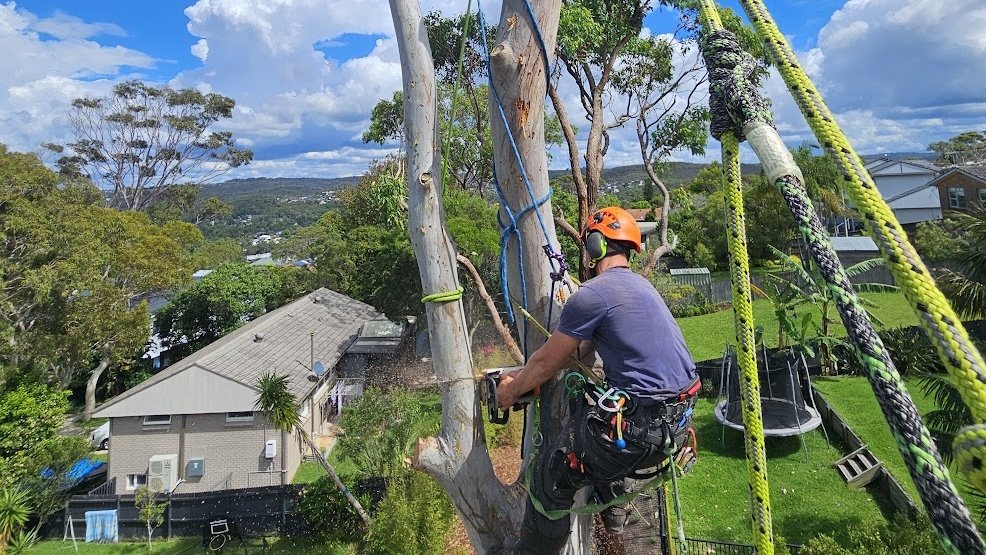
Safe, efficient removal of trees of all sizes — including technical rigging, sectional dismantling and crane-assisted work.

Crown reduction, deadwooding, formative pruning and clearance work — all to AS 4373-2007 standard on every job.

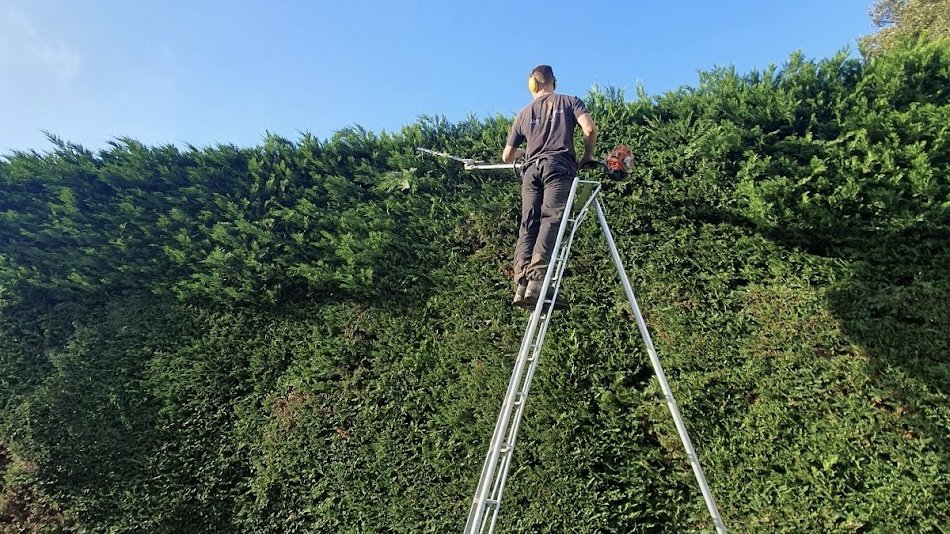
Neat, precise trimming for all hedge types. We remove all clippings and leave a clean finish every time.

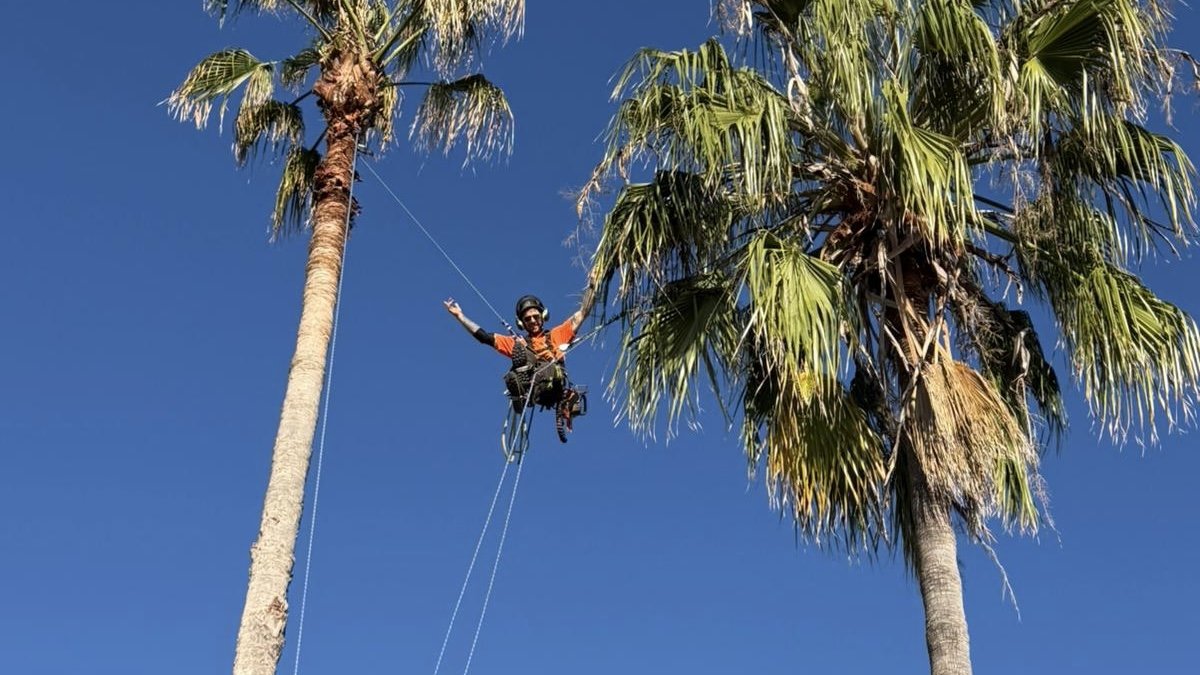
Dead frond removal, seed pod and flower stalk removal — keeping your palms healthy, safe and tidy.

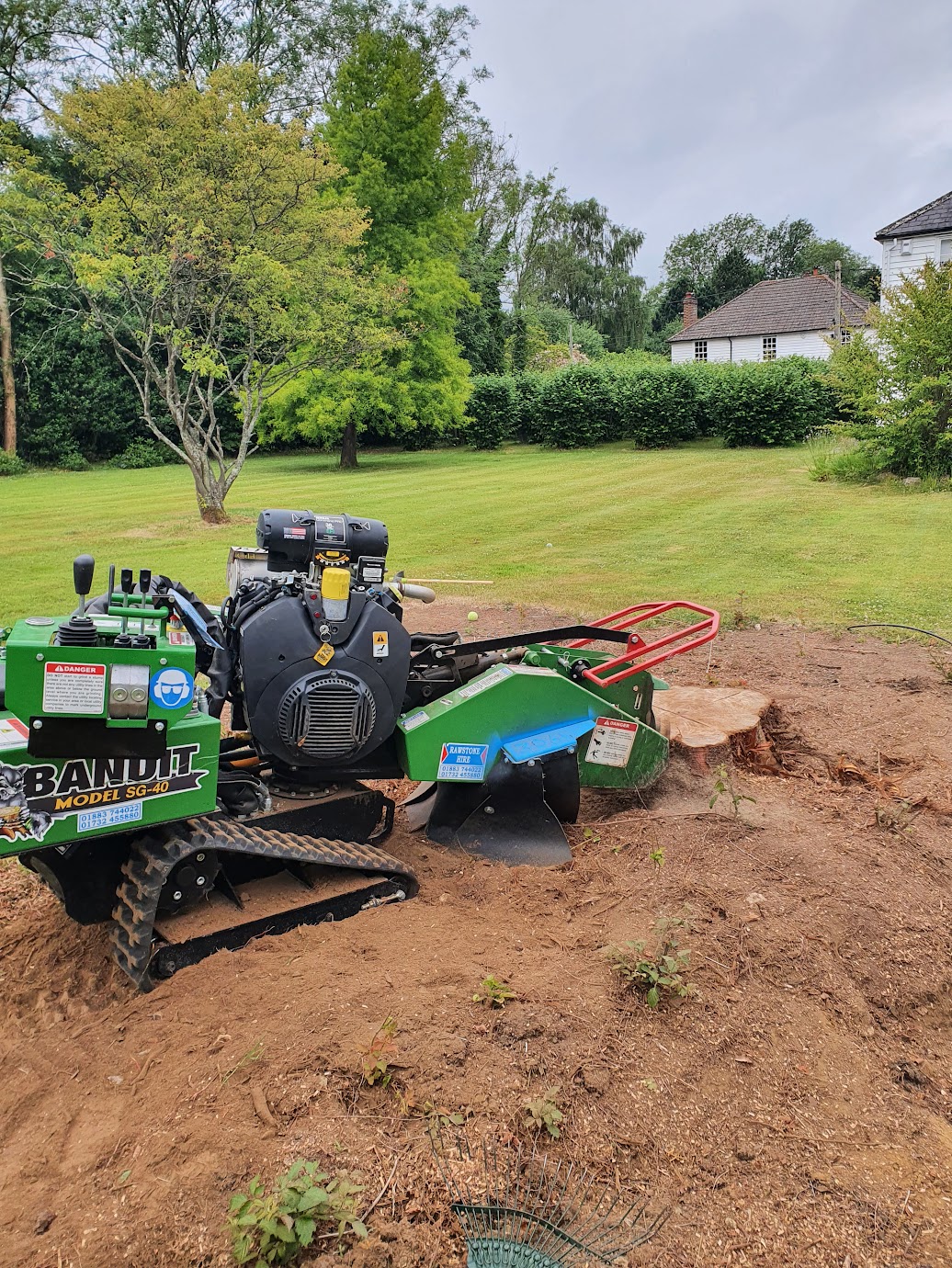
Complete removal below ground level — leaving a clean site ready for turf, landscaping or replanting.

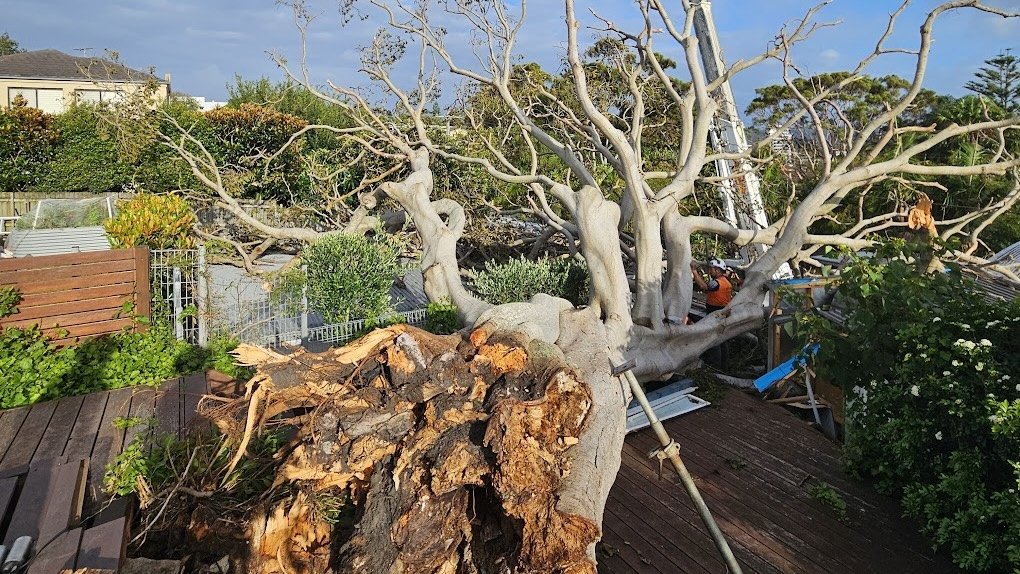
Fast response to storm damage, fallen trees and hazardous situations. Call us first.
Ingleside's vegetation reflects its position at the interface between suburban Northern Beaches and the broader Sydney Basin woodland. Eucalyptus pilularis (Blackbutt) and E. microcorys (Tallowwood) are dominant canopy trees on the better-drained ridge soils, reaching substantial size on properties that have not been heavily cleared. E. haemastoma (Scribbly Gum) — with its characteristic scribble markings from moth larvae — appears on shallower, sandy soils and is an indicator species for the Duffys Forest Ecological Community on the fringes of the suburb. Banksia serrata (Old Man Banksia) and Banksia ericifolia (Heath-leaved Banksia) are common in the mid-storey on the sandstone outcrops.
Angophora costata (Sydney Red Gum) is found throughout on the sandstone ridges, its smooth pink-orange trunk distinctive against the grey-green of the eucalypt woodland. On properties with dam easements or watercourse margins, Casuarina glauca (Swamp Oak) and Melaleuca species provide the riparian fringe. The overall tree cover in Ingleside is among the most intact of any developed area on the Northern Beaches and deserves thoughtful, ecologically informed management.
Northern Beaches Council's DCP Part B13 (Tree and Vegetation Management) applies across Ingleside. Any tree 5 metres or more in height, with a canopy spread of 5 metres or more, or with a trunk diameter of 30cm or more at 1m above ground requires approval before removal or significant pruning. Given the ecological significance of vegetation in Ingleside — particularly near the Duffys Forest Ecological Community — applications in this area are scrutinised carefully by Council.
Properties near threatened ecological communities may also require a Biodiversity Development Assessment Report (BDAR) before any vegetation clearing, regardless of tree size. Federal referral under the EPBC Act may also apply in some circumstances. We can advise on the specific requirements for your property before any work begins — and we always recommend getting the permit process right before picking up a chainsaw.
Don't take our word for it — here's what our customers have said.
"We found Alex and his team very friendly and helpful. They provided a professional service and we are very pleased with their work. We will definitely use them again."
"Amazing level of service. Polite, efficient, knowledgeable, professional and exceedingly hardworking. Lovely guys. Would not hesitate to use again and will definitely recommend to others."
"Fantastic job! They turned up on time, worked fast, tidied up and did a great job all round. These guys will be my go-to now. I HIGHLY recommend."
Do I need a permit to remove a tree in Ingleside?
Most trees in Ingleside fall under Northern Beaches Council DCP Part B13. Any tree 5 metres or taller, with a trunk diameter over 30 cm at 1 metre height, or a canopy spread of 5 metres or more requires development consent before removal or significant pruning. Exempt species and trees within 3 metres of an approved structure may not need a permit. We check permit requirements at every quote. See our Northern Beaches tree permit guide for more detail.
How much does tree removal cost in Ingleside?
Tree removal in Ingleside typically ranges from $400 for a small tree to $3,500+ for large complex jobs. Price depends on tree size, species, site access and proximity to structures or power lines. All quotes are free — we visit your property, assess the job and give you a written price with no obligation. See our 2026 cost guide for typical price ranges.
How quickly can you get to Ingleside for urgent work?
For genuine emergencies — storm damage, fallen trees, or trees posing an immediate risk to life or property — we respond the same day. We're based in North Narrabeen, so we're typically on-site across the Northern Beaches within the hour. For standard jobs we aim to quote within 48 hours and book work within 1–2 weeks.
Are your quotes really free in Ingleside?
Yes — completely free, with no obligation. Alex visits your property in person, assesses the trees and gives you a clear written price. There is no charge for the site visit, no hidden call-out fee, and no pressure to book.
Large block or small, bushfire zone or garden — we'll come to you, assess the job and give you a clear, honest price.
0452 030 077