Towers around the station, big gums in the backyards a few streets away. The photos on this page are from our own work in Chatswood. Alex quotes every job himself and answers the phone when you call.
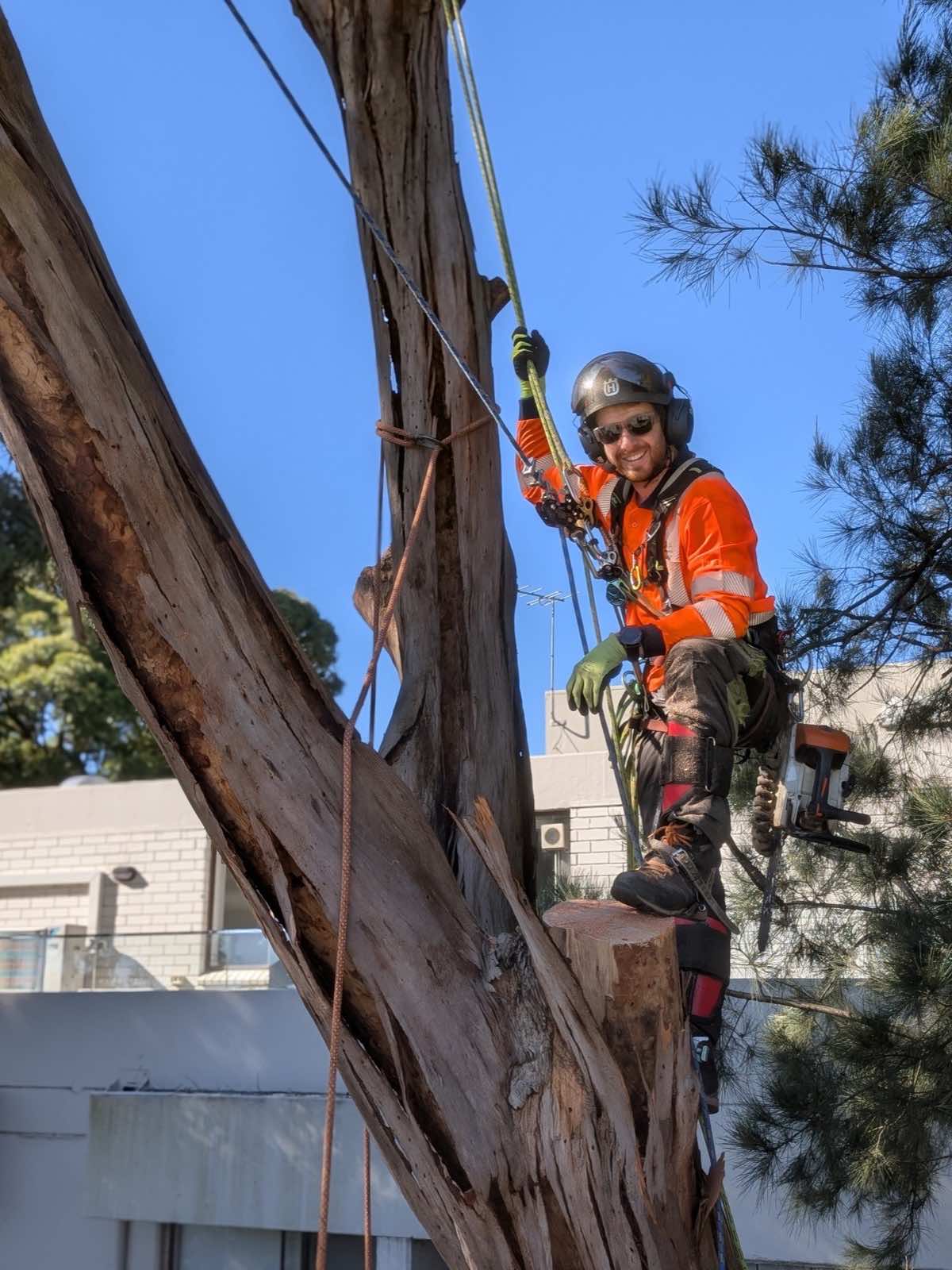
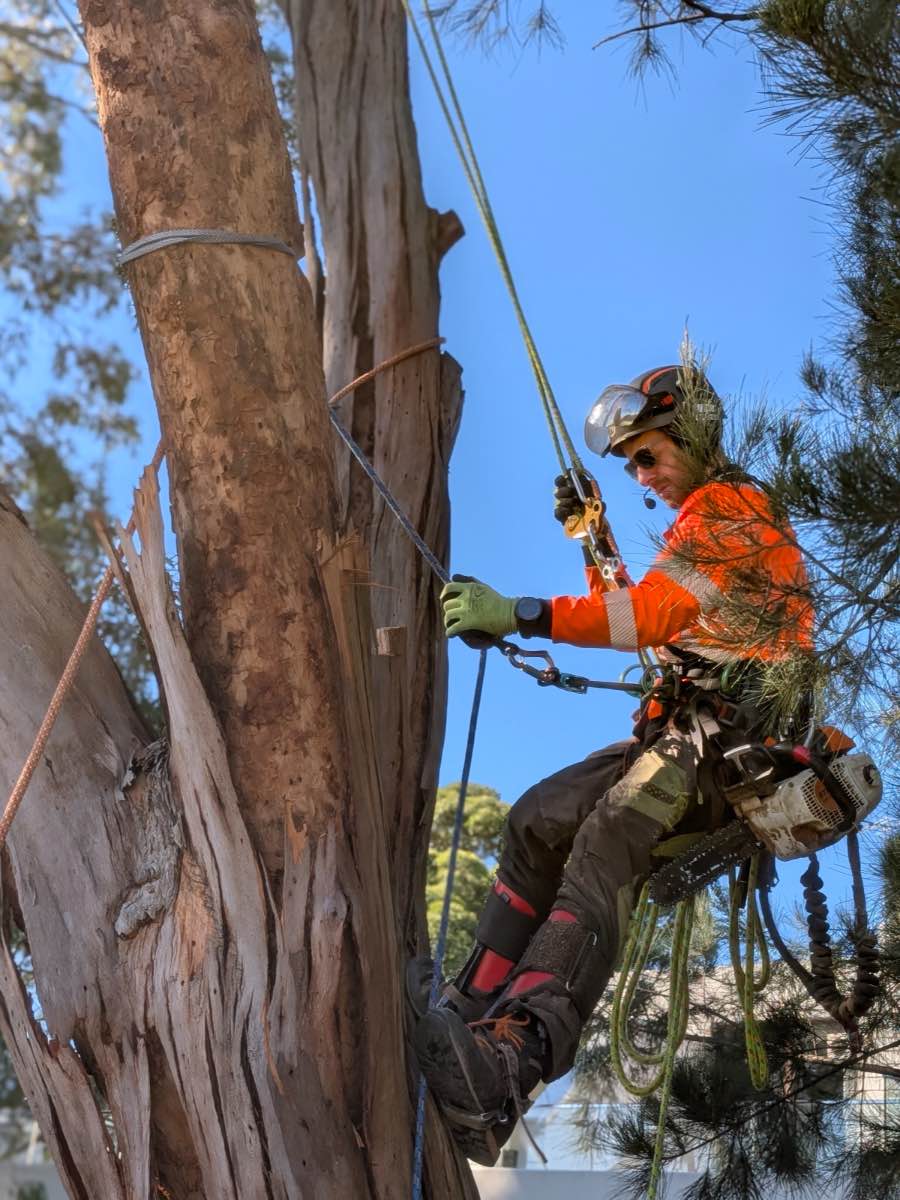
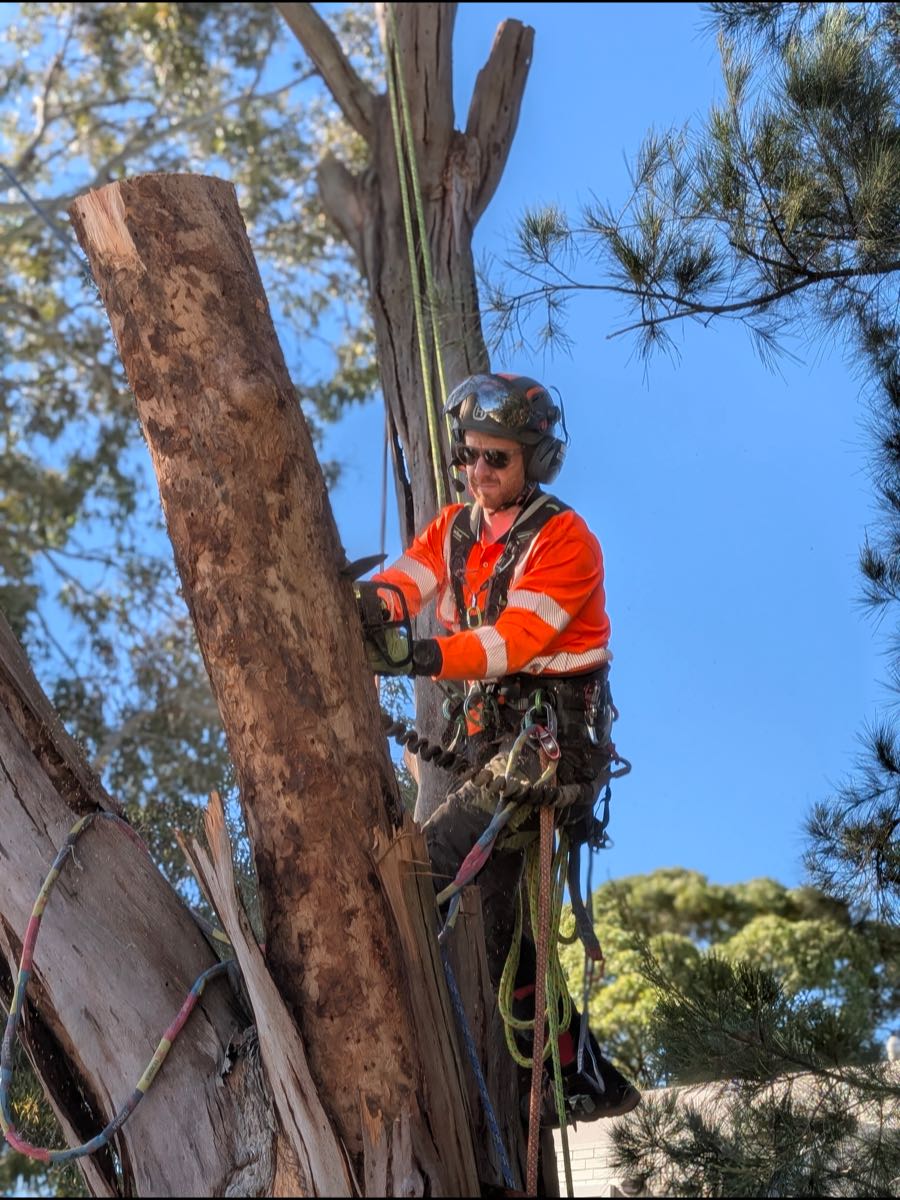
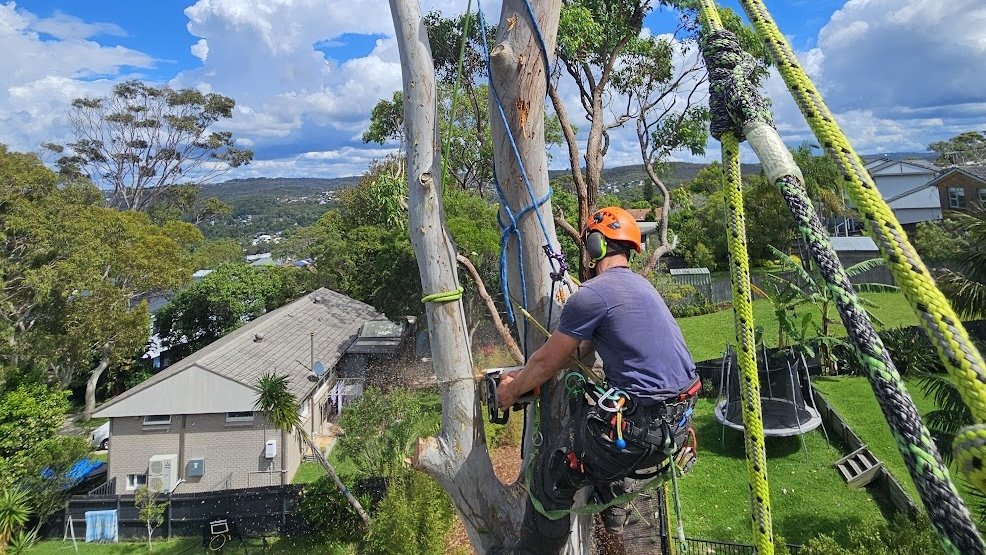
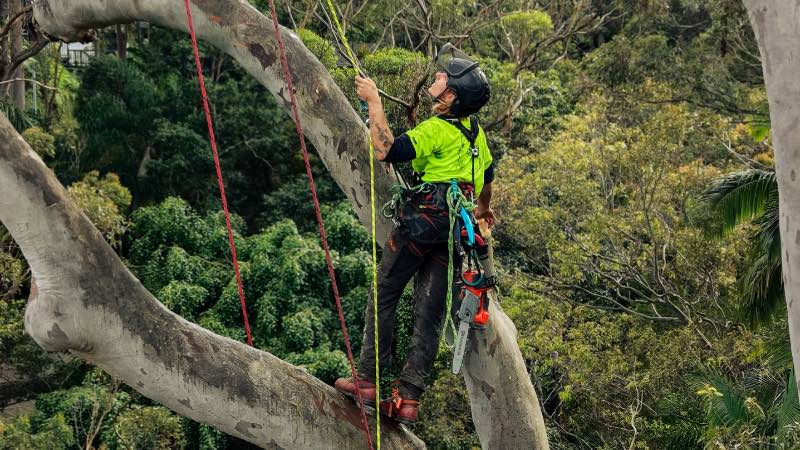
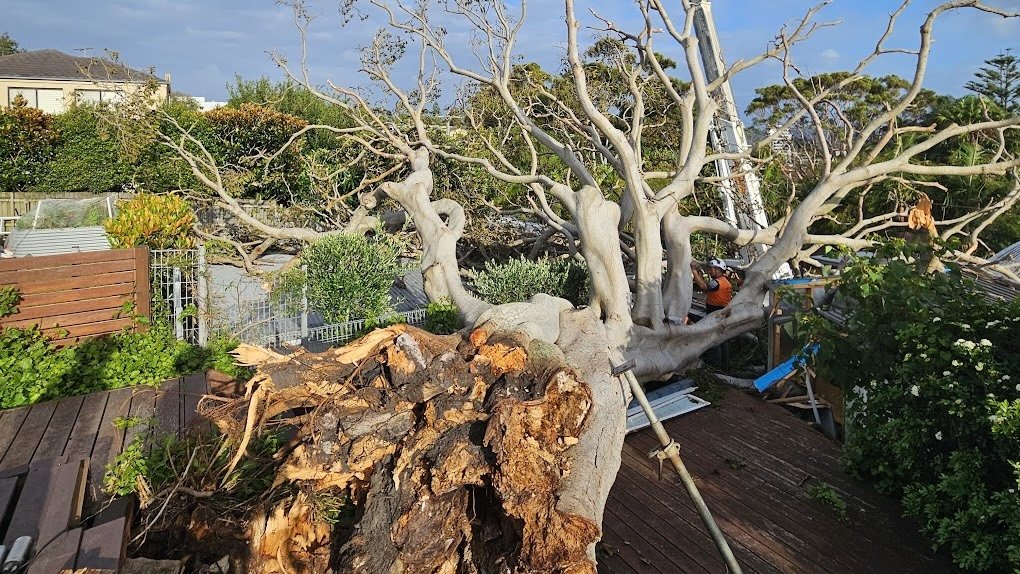
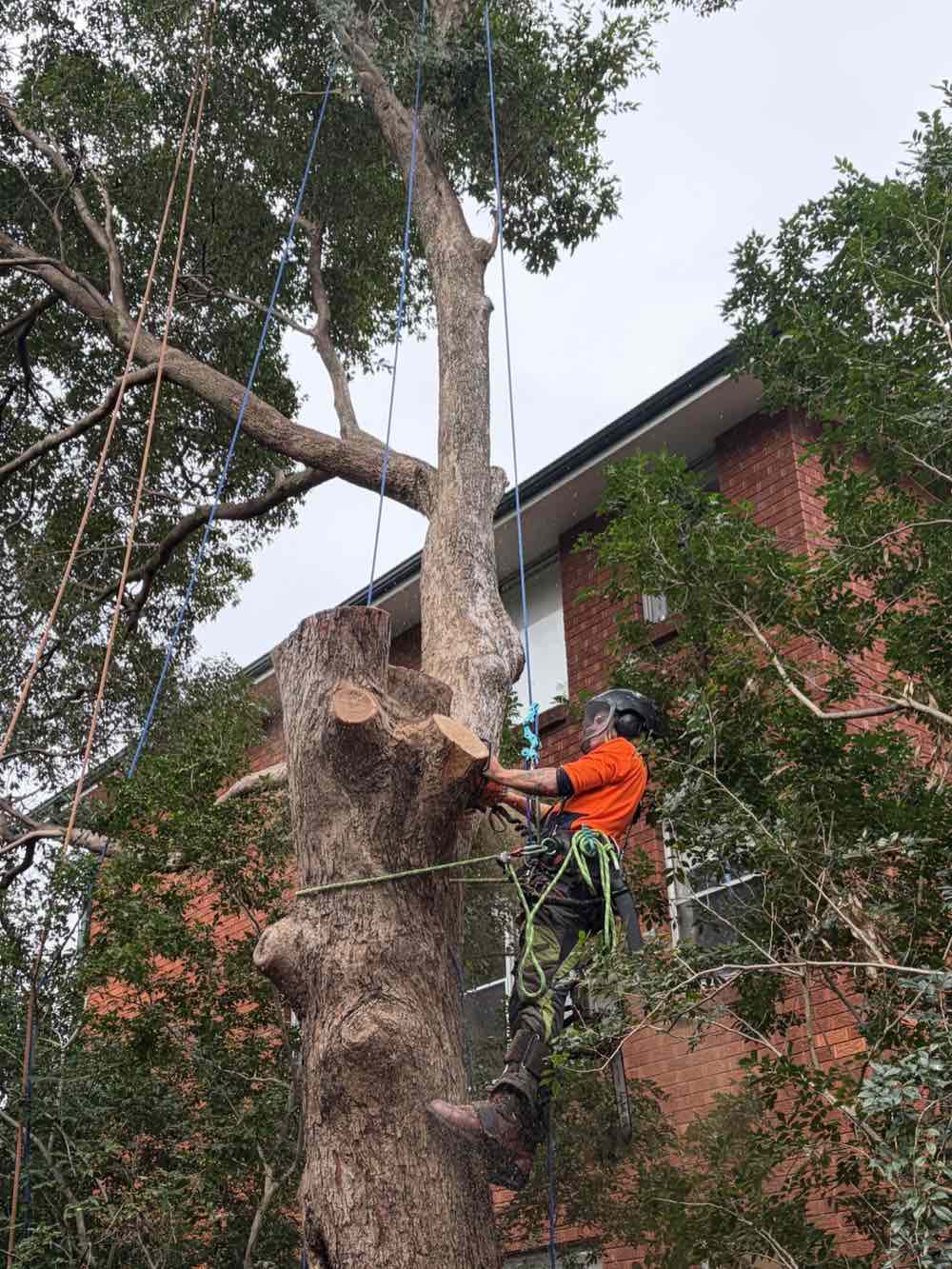
All four photos are from Chatswood. The gums stood within a few metres of brick apartment buildings and neighbouring houses, so there was no room to drop anything. We climbed them, cut them in sections and lowered every piece on a rope.
Chatswood has two sides when it comes to trees. Around the station and the shopping centres it's towers, podiums and planter boxes. Walk a few blocks out and you're in streets of brick houses and older walk-up flats, with gums, jacarandas and brushbox that have had decades to grow.
That mix shapes the work. A big tree in Chatswood is rarely on its own. There's usually a building within a few metres, a shared driveway, a strata garden or a neighbour's roof underneath it. So most of what we do here is climbing and rigging: the tree comes apart in small pieces, and each one is lowered under control.
West of the Pacific Highway, the suburb runs into bushland. Blue Gum Reserve, north of Fullers Road, is 14.4 hectares of bush managed by Willoughby City Council. It joins Fullers Park and Lane Cove National Park to form a corridor for birds and bats, and council lists the Powerful Owl, Grey-headed Flying Fox, Sugar Glider and microbats among the wildlife living there. Its walking track passes remains of Blue Gum High Forest. If your yard backs onto that bush, some of your trees may count as habitat, and Willoughby's rules protect habitat trees whatever their size.
Alex's first question on any Chatswood quote is whether the tree can stay. Plenty of calls start with leaves in the gutter or a branch over the fence. Willoughby City Council says it generally won't approve removal because of the natural shedding of leaves, fruit and bark, or because branches overhang a boundary, and careful pruning usually solves those problems anyway. When a tree is dead, failing or growing somewhere it can't stay, we'll tell you straight and quote the removal.
If you live in a strata building, bring your strata manager in early. Council needs the owner's consent on every tree application, and on common property that means the owners corporation.
Eucalyptus saligna (Sydney Blue Gum). One of the two trees that dominate Blue Gum High Forest, alongside Eucalyptus pilularis (Blackbutt). A locally native species, so in Willoughby it can need a permit even below the size thresholds.
Lophostemon confertus (Brushbox) and Jacaranda mimosifolia (Jacaranda). Common street trees across the lower North Shore. A street tree belongs to council, so if one is causing you trouble, report it to Willoughby City Council instead of cutting it yourself.
Syagrus romanzoffiana (Cocos Palm), Liquidambar styraciflua (Liquidambar) and privet. All on the undesirable species list in Willoughby's DCP Part G, which means they can be removed from private land without a permit.
Cinnamomum camphora (Camphor Laurel). On the same list, but only while it's under 10 metres tall. Above that it needs a permit like any other large tree.
The same services we offer everywhere, shaped around Chatswood's tight blocks, strata gardens and Willoughby City Council's rules.
Trees beside apartment blocks and townhouses come down in sections on ropes. Once council approves, we book the job so your approval has been on the front boundary for the full 72 hours first.
Deadwood out, branches lifted off roofs and balconies, and selective pruning kept within Willoughby's 10% allowance. We write down what we took off so you have a record.
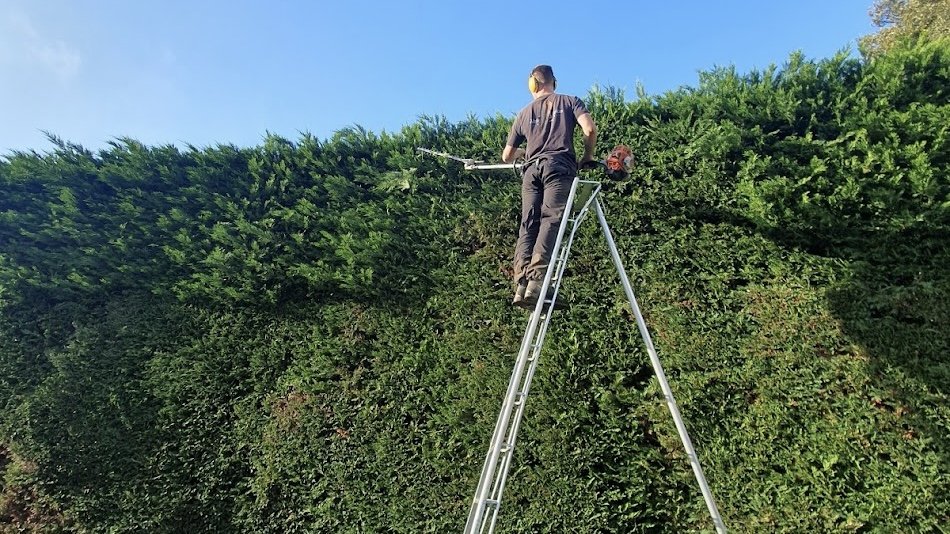
Privacy screens between houses and along strata boundaries, cut to the height you want. Clippings go with us, so the common areas are left clean.
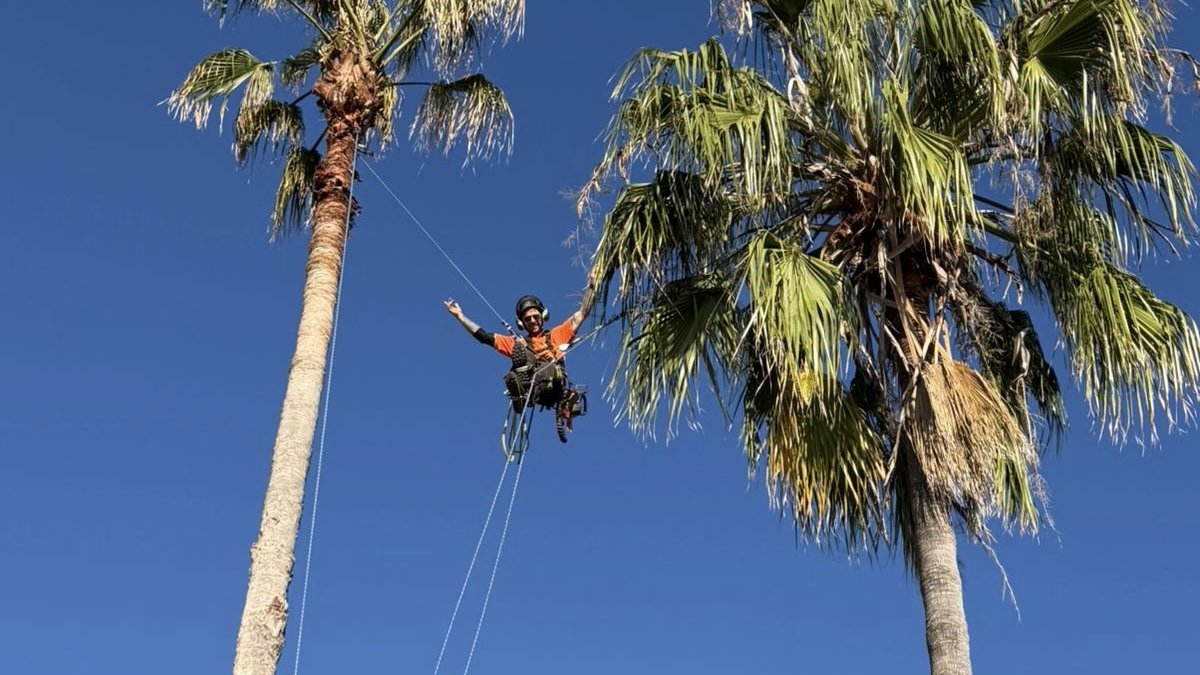
Dead fronds and seed pods off palms in courtyards and around pools. If you'd rather lose a Cocos Palm altogether, it's on Willoughby's exempt list for private land.
Our own grinder goes through a standard side gate, so a stump behind a block of units or down a side path is no trouble to reach.
A limb through a roof or a tree across a shared driveway after a storm. Call 0452 030 077 and we'll come and make it safe.
Chatswood is in Willoughby City Council. To prune or remove a tree on private land you need a permit, called a Vegetation Management Application (VMA), if the tree is more than 4 metres tall, has a trunk girth (circumference) over 600 mm measured 1.4 metres above the ground, or has a crown spread over 3 metres. Size isn't the only trigger. A locally native tree, vegetation in a wildlife corridor or with habitat value, and a tree that is visually prominent from the street can all need a permit even when they're smaller than that.
Some work is exempt. You can selectively prune up to 10% of a tree's crown over a five-year period, remove deadwood, and take out declared weeds, fruit trees grown for fruit and the undesirable species listed in DCP Part G. Council advises keeping records of exempt pruning in case you're ever asked to show it. A dead, dying or dangerous tree can also be exempt, but council still requires evidence, so get that sorted before anything is cut.
On a heritage item or in a heritage conservation area, a VMA isn't available. Tree work there needs a development application.
If a removal is approved, council requires replacement planting at three new trees for each one removed, or a payment under its Tree Offset Planting Scheme when your block can't fit them. The approval must be displayed on your front boundary from 72 hours before work starts until it's finished, and applications go up on council's website for public comment. An arborist report is optional. If you include one, council only accepts it from a Consultant Arborist qualified to at least AQF Level 5 with no ties to a tree removal or pruning business, so we can't write it for you. We can point you to an independent consultant.
Source: Willoughby City Council, trees on your property and DCP Part G. Checked October 2026.
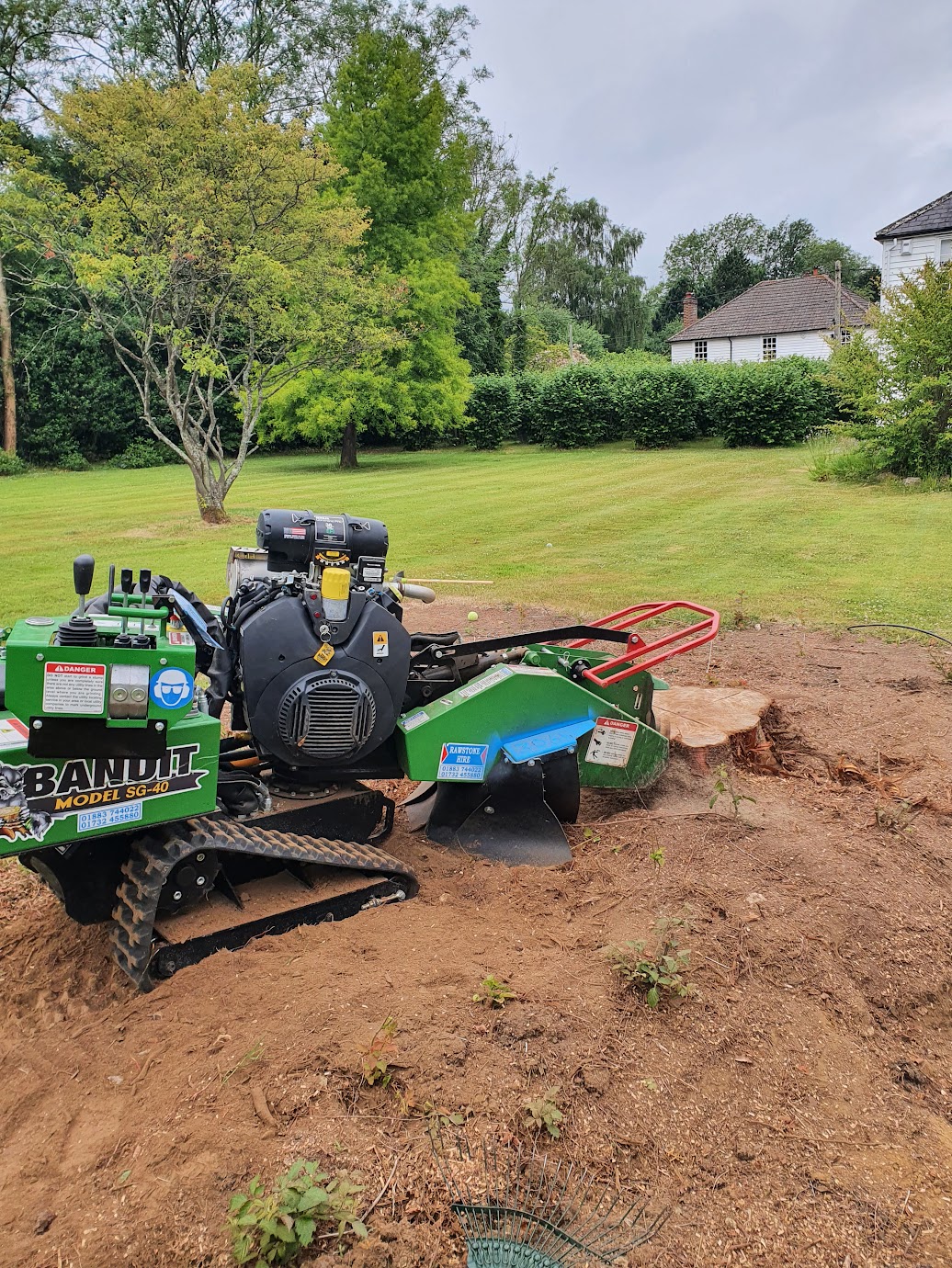
Chatswood stumps tend to be in awkward spots: at the back of a block of flats, down a side path between two houses, or a metre from a garage slab. We own our stump grinder, a Bandit SG40. It's 74 cm across the tracks, so it fits through a standard side gate and down most side paths without anything having to be pulled apart to get it in.
When we take a tree out, the stump can usually be ground on the same visit, which means one booking and one clean-up. An old stump left from someone else's removal is worth doing too, even on its own. Close to a building, a retaining wall or a buried service, Alex will tell you at the quote how deep and how close we can safely go. If there's shelf rock under the stump, that limits how far down the grinder can reach, and we'll flag it before you book. More on stump grinding
Real Google reviews from our customers.
"Alex and his team were absolutely excellent! They did a fantastic job trimming the trees on our property on Scotland Island and had everything completed, including removing all the debris, in the same day.…"
"Alex and the crew ... Professional, Punctual and Polite ..thankyou"
"Alex and team did a very good job - they were prompt, safe, communicated well and professional. Will use them again"
Do I need a permit to remove a tree in Chatswood?
Usually. Willoughby City Council requires a Vegetation Management Application for a tree over 4 metres tall, with a trunk girth over 600 mm at 1.4 metres, or with a crown spread over 3 metres. Locally native trees, habitat trees and visually prominent trees can need one even when they're smaller. Heritage items and heritage conservation areas need a development application instead. We'll check your tree at the free quote.
Why does the approval have to go on my front fence?
Willoughby City Council requires every approved Vegetation Management Application to be displayed on the front boundary of the property from 72 hours before the work starts and for as long as it goes on. We book the job so the full 72 hours have passed before we arrive.
Can I take out a Cocos Palm without a permit?
On private land, in most cases yes. The Cocos Palm is on the list of undesirable species in Willoughby's DCP Part G, and species on that list don't need a permit. The same list includes Liquidambar, privet, and Camphor Laurel under 10 metres. If your property is a heritage item or in a heritage conservation area, check with council first.
Do I have to plant new trees if one is removed?
Yes. Willoughby City Council requires three replacement trees for every tree it approves for removal. Where there isn't room on your block, council can offer its Tree Offset Planting Scheme, where you pay for the trees to be planted on council land instead.
Can you write the arborist report for my application?
No. Willoughby City Council only accepts reports from a Consultant Arborist qualified to at least AQF Level 5 who has no business ties to a tree removal or pruning company. A report is optional for a Vegetation Management Application. If you want one, we can point you to an independent consultant and then carry out the approved work.
We work across Chatswood and the Willoughby area regularly. Call us directly or send an enquiry — we'll come to you, assess the job properly and give you a straight, honest price.
0452 030 077