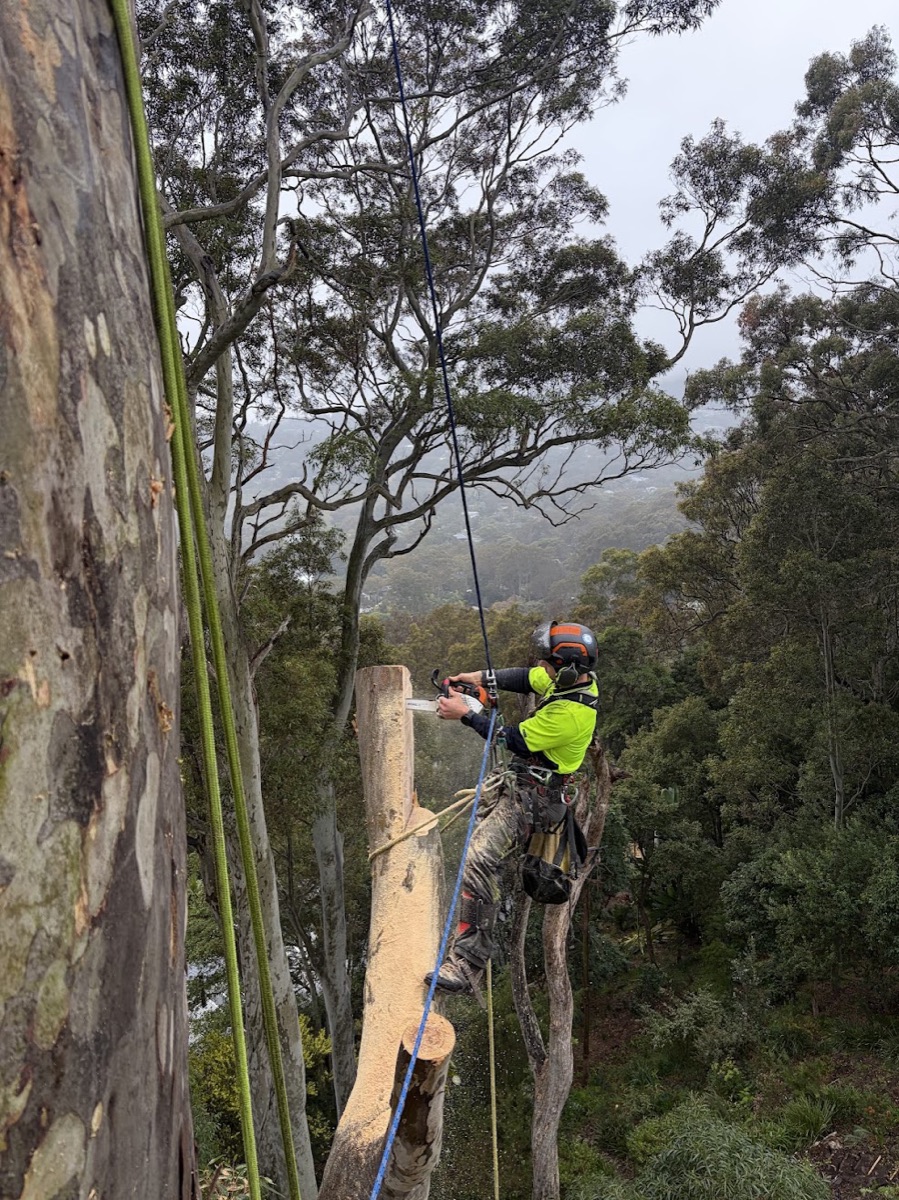
Not every dying tree needs to disappear.
A mature Corymbia maculata (spotted gum) in Avalon Beach had gone into rapid decline after a lightning strike. The simplest answer would have been to take it down. We went a different way, and reduced it into a habitat tree instead.
What is a habitat tree?
A habitat tree is a tree that is kept standing, in a safe and reduced form, specifically so that wildlife can live in it. Instead of removing a declining tree outright, you take the weight and the risk out of it, retain the sound structure, and keep or create the hollows that animals depend on.
Hollows matter more than most people realise. They take decades to form naturally, and once an old tree comes down, that shelter is gone — often for a very long time. Retaining a declining tree as habitat is frequently the outcome councils prefer, because it holds onto biodiversity that is otherwise slow to replace.
The tree
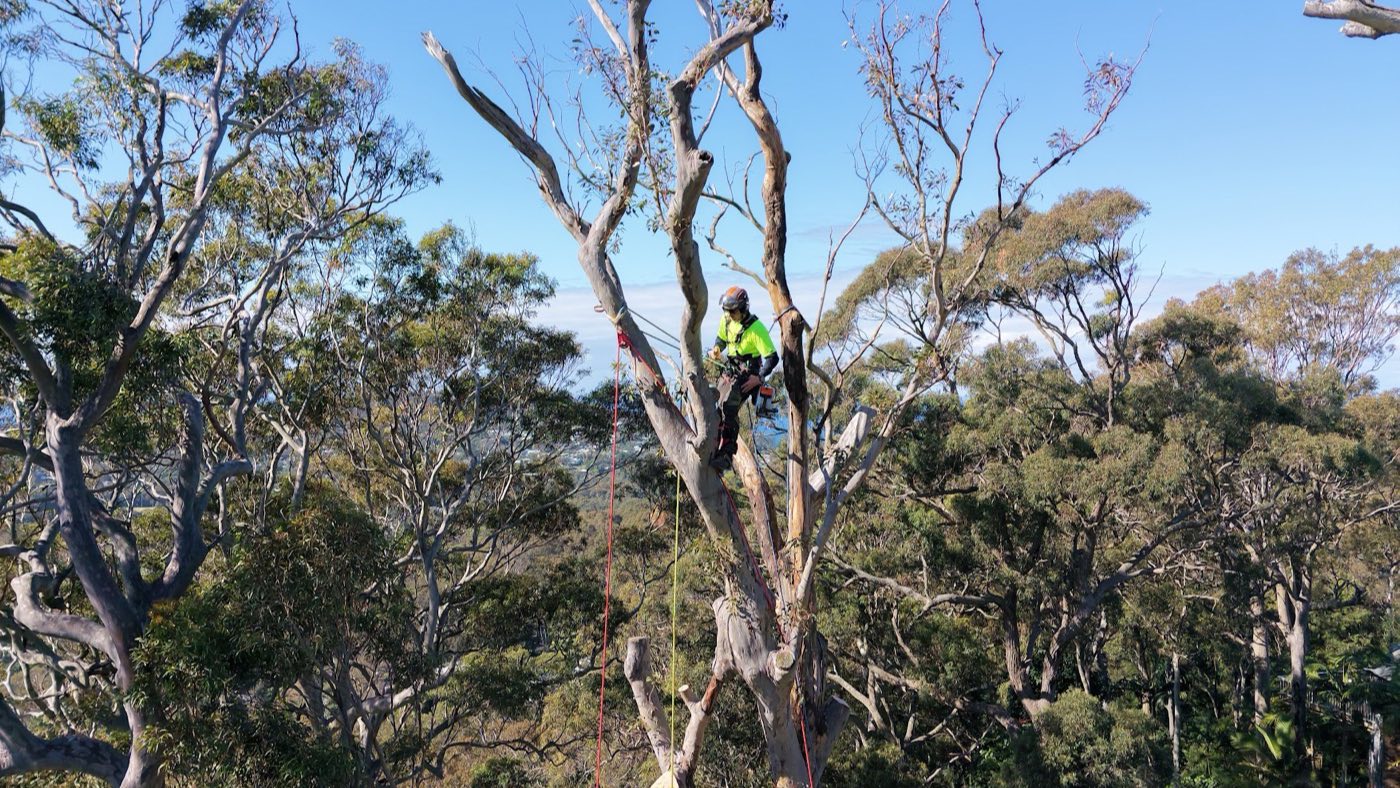
The lightning strike had left scarring that ran from the upper canopy all the way down to ground level, and there was very little live canopy left. In that condition the tree was never going to recover as a landscape tree.
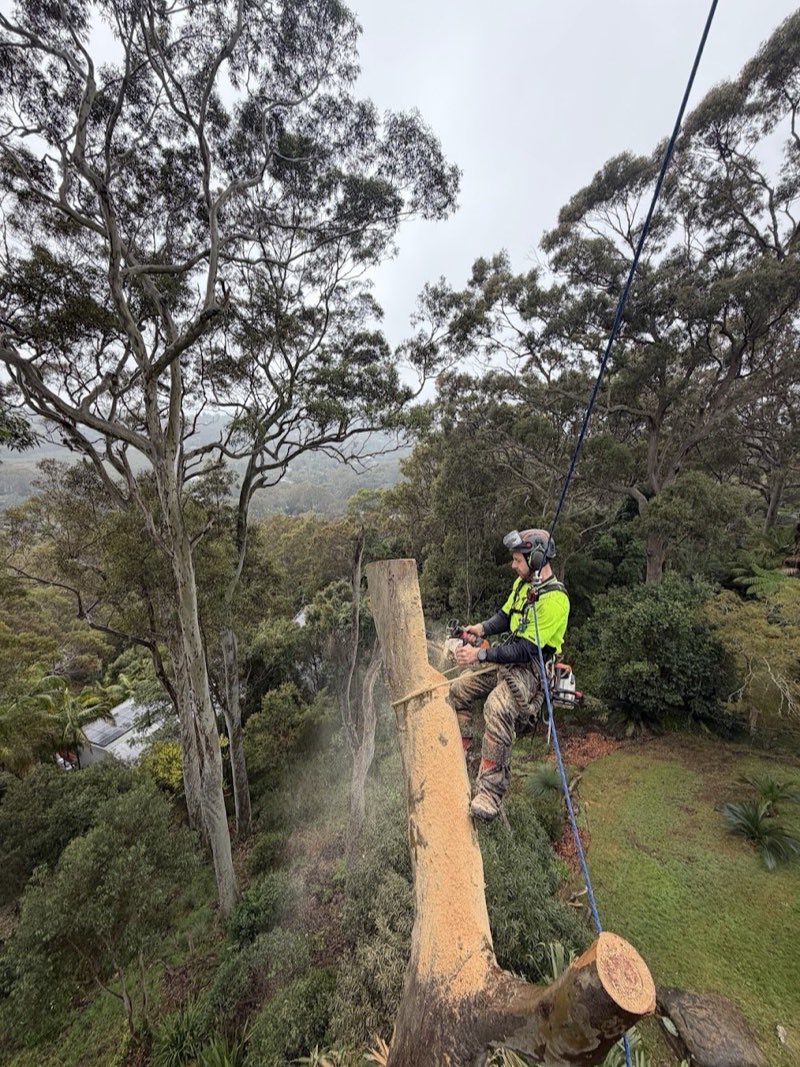
But its form suited habitat pruning rather than full removal. The main framework of sound limbs was still there. What needed to go was the lighter outer canopy, where the risk of branch failure sat. Reducing that back lowered the risk while keeping the structure that gives the tree its value as habitat.
Working it out with a consulting arborist
We worked alongside consulting arborist David at Impact Vegetation on this one. Deciding what to keep and what to take off a declining tree is a judgement call, and it is a better call when there is more than one qualified set of eyes on it.
The hollows
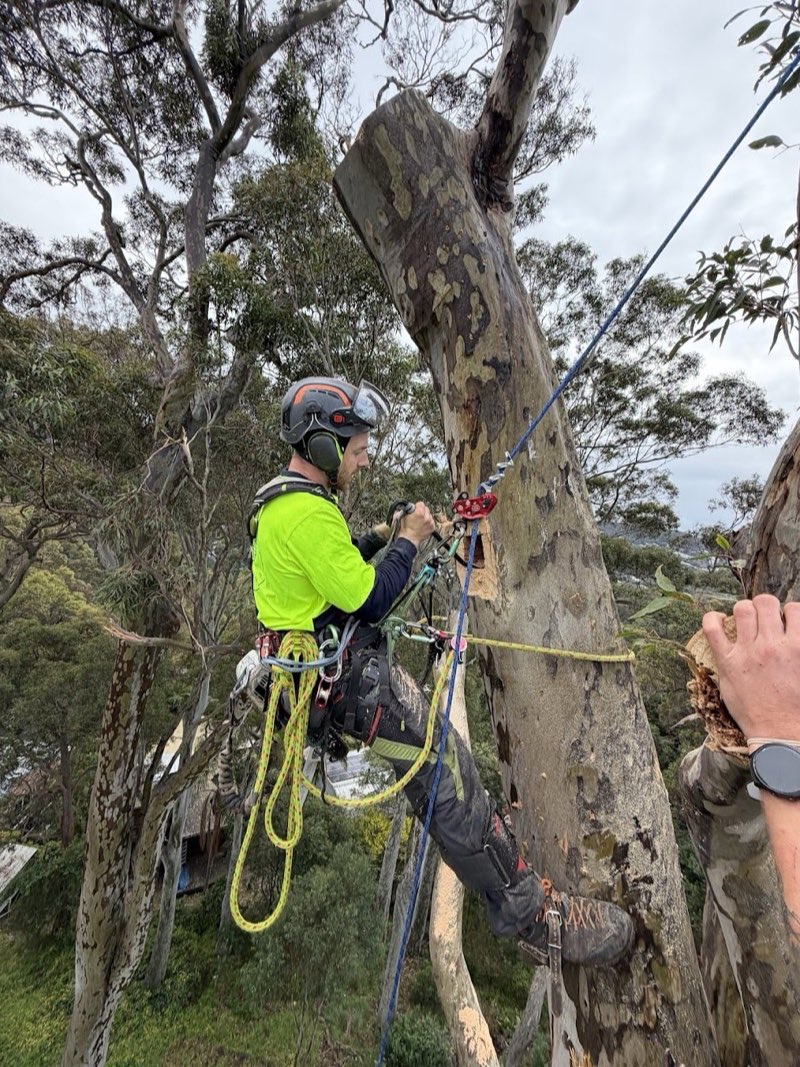
The tree already had a natural hollow, and that was the part worth saving. We removed it carefully, kept it intact, and then reinstated it securely within the new habitat structure — so the hollow the tree had spent decades forming stayed with it.
On top of that, we installed additional artificial hollows, sized and placed to suit a range of different animals. Between them, they give birds, mammals and microbats somewhere to rest, roost and nest.
The job in pictures
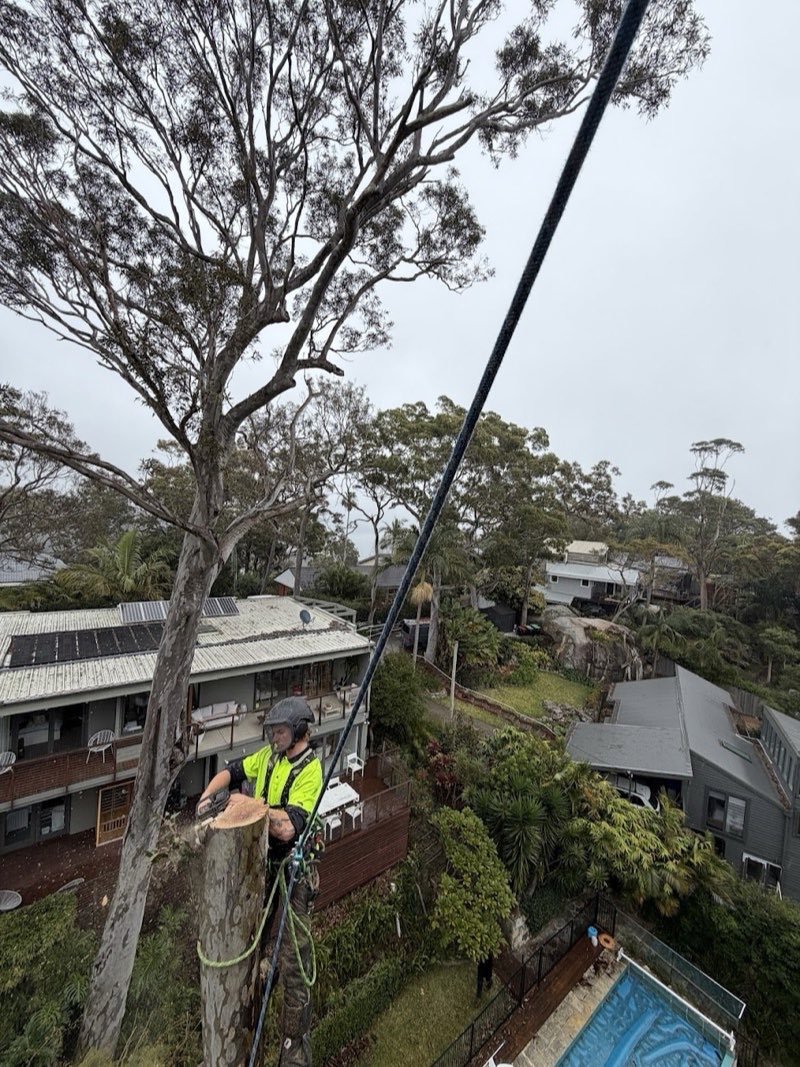
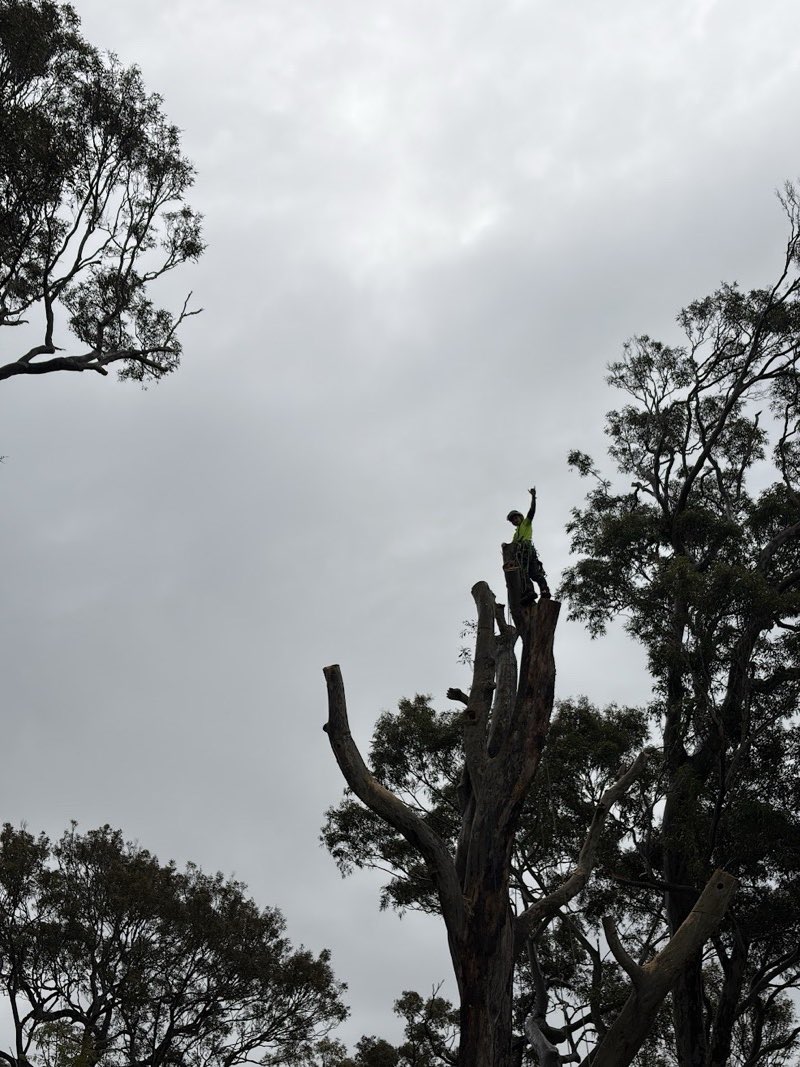
The result
A great job with a great crew, and an old tree given a second life as a home for local wildlife rather than being turned into woodchip.
If you have a tree you are worried about, it is worth asking whether removal is genuinely the only option. Sometimes it is. But a tree that looks finished can still have a lot left to offer — and on the Northern Beaches, where hollow-bearing trees are getting harder to come by, that is worth a conversation. You can read more about the trees we work with across the peninsula in our guide to Angophora costata care, or check where you stand on approvals in our Northern Beaches tree permit guide.
We carry out habitat pruning and tree work across Avalon and the wider Northern Beaches.